

Leave Your Message
-
Contact WhatsApp
-
 Contact Phone
-
 Contact Email
Offshore oil and gas production demands the highest levels of safety, reliability, and operational continuity. Positioned at the critical junction of wellheads, Christmas trees, and manifold systems, flow control valves are subjected to extreme pressures (up to 15,000 psi or more), abrasive sand, and highly corrosive fluids containing hydrogen sulfide (H2S) and carbon dioxide (CO2). In this hostile environment, standard valve configurations often require complete system shutdowns for maintenance, costing operators millions of dollars in non-productive time (NPT).
The API 6A Detachable Gate Valve has emerged as an industry-standard solution designed to address these exact pain points. By incorporating a modular, detachable design, these valves allow field engineers to perform in-situ overhauls without removing the entire valve body from the flowline. This engineering breakthrough radically changes the economics of offshore flow control maintenance, shifting the paradigm from costly asset replacement to highly efficient, component-level restoration.
"In offshore platforms, space is a premium and crane operations are weather-dependent. The ability to overhaul an API 6A gate valve in place using detachable cartridge components reduces maintenance schedules from days to mere hours."
The core concept of the detachable gate valve lies in its split-body and cartridge-based design. Unlike traditional slab gate valves where the seats and gate are deeply integrated into a single forged body, the detachable variant allows the bonnet, stem, gate, and seat assemblies to be extracted as a single operational module. This is particularly crucial during offshore overhauls where technicians must quickly swap out worn parts under challenging environmental conditions.
Key components that dictate the efficiency of these overhauls include high-precision bearing races, which absorb the immense stem thrust during high-pressure cycles, and spring-energized lip seals (such as the SLS and OD face seals) that provide dynamic, gas-tight sealing even under rapid decompression scenarios.
An offshore flow control valve overhaul is a highly regulated procedure. The modularity of the API 6A detachable gate valve simplifies this process into distinct phases:
To withstand the erosive forces of multiphase flow containing sand and hydrocarbons, the internal components of detachable gate valves must undergo advanced surface treatments. High-Velocity Oxygen-Fuel (HVOF) thermal spraying is widely utilized to apply dense, low-porosity coatings of Tungsten Carbide or Chrome Carbide to the gate and seat surfaces. This achieves a surface hardness exceeding HV1500, ensuring a mirror finish (Ra
The offshore oil and gas industry is undergoing a structural shift toward maximizing the efficiency of existing assets. With operators focusing on brownfield developments and life-extension projects, minimizing Operational Expenditure (OPEX) is paramount. Traditional valve maintenance protocols that require complete valve removal involve heavy lifting equipment, specialized offshore maintenance vessels, and extensive piping modifications. By utilizing API 6A detachable gate valves, operators can execute maintenance campaigns using standard platform crews, eliminating the need for external marine support assets.
Furthermore, the standardization of spare parts—such as utilizing interchangeable bearing races, stem adapters, and bonnet seals across different valve sizes and pressure ratings—helps operators optimize their warehouse inventory, reducing capital tied up in spare parts logistics.
The integration of the Internet of Things (IoT) and digital twin technology is shaping the future of offshore flow control. Modern API 6A overhauls are increasingly guided by predictive maintenance data. Acoustic emission sensors and pressure-transducers embedded near the valve bonnet can detect micro-leakage past the primary stem seals or gate seats before a critical failure occurs.
This allows operator teams to plan detachable gate valve overhauls precisely during scheduled shutdowns, completely avoiding unplanned production halts. In tandem, advancements in additive manufacturing (3D printing) are allowing offshore platforms to print custom sealing components and stem adapters on-demand, further reducing lead times and dependency on global supply chains.
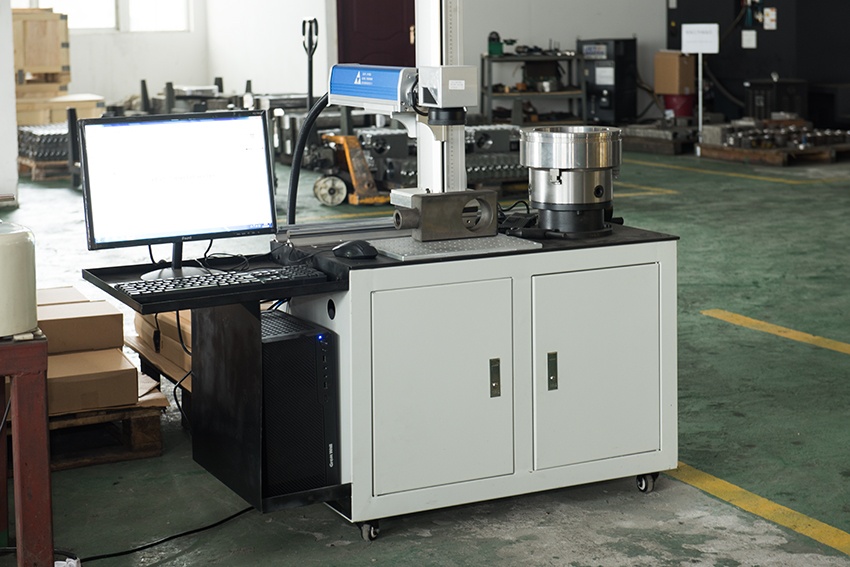
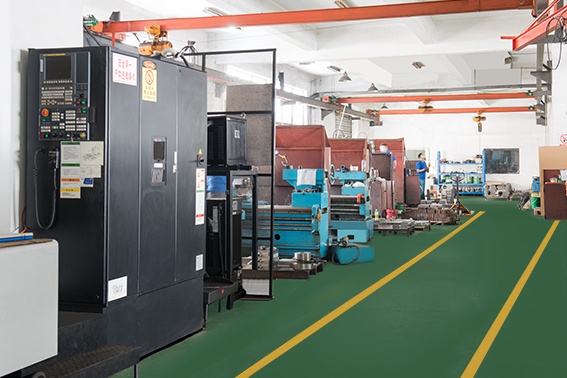
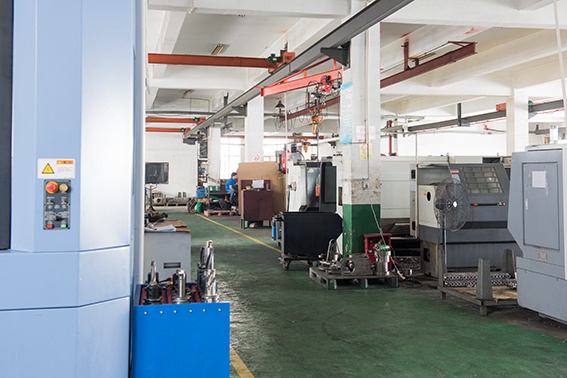
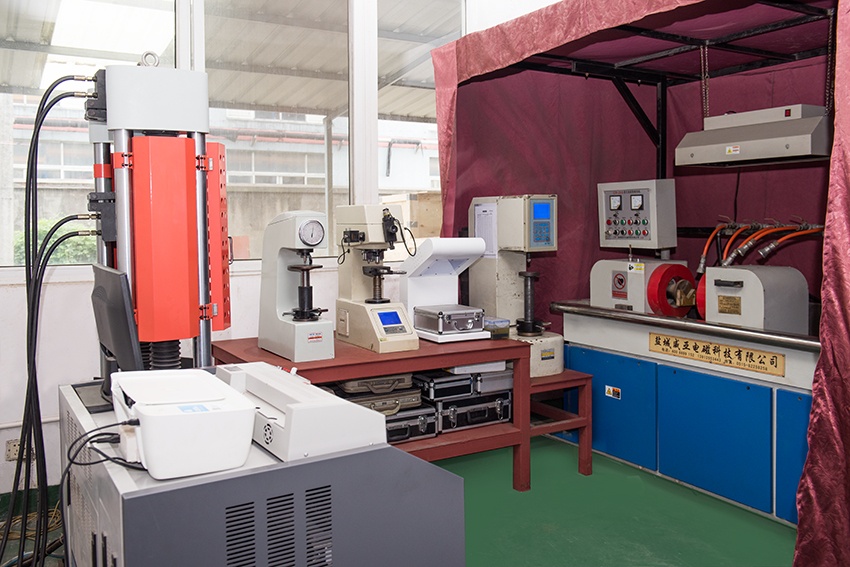
Our core competitive advantage lies in industry-leading coating technology and strict quality control:
To be the most trusted long-term partner for our global customers. We envision a future where our advanced coating technologies eliminate downtime and maintenance costs for oilfield equipment. By mastering precision manufacturing, we strive to empower our clients to overcome the challenges of high pressure, corrosion, and severe wear.
To become the world's leading supplier of high-performance wear-resistant solutions for the oil & gas industry. We aim to set the global standard for thermal spray technology, enabling our customers to achieve higher efficiency, longer service life, and safer operations in extreme downhole environments.
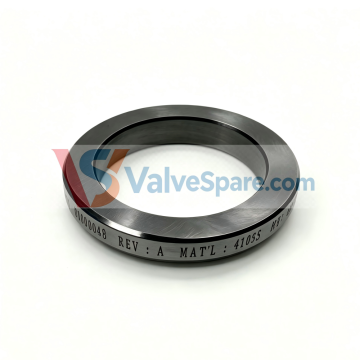 Type FC/FLS Bearing Race (API 6A Overhaul)
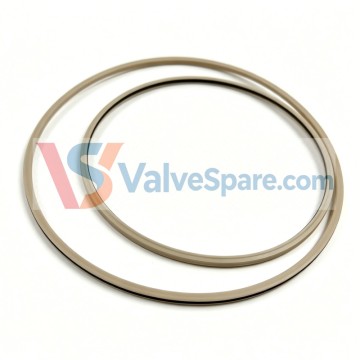 FLS/FLS-R Spring Energized OD Face Seal
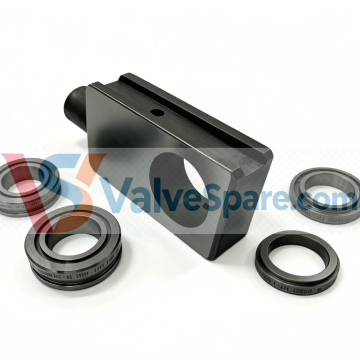 Type FC Gate & Seat Assembly (Flow Control)
 Heavy Duty Bearing Race for API 6A Valves
 SLS Seal for Type FLS and FLS-R Gate Valves
 Grease Injection Fitting (15K FLS Bonnet)
 Stem Adapter for Type FC and FLS Gate Valves
 Bonnet Seal Ring Gasket (FC/FL/FLS Valves)