
Leave Your Message
-
Contact WhatsApp
-
 Contact Phone
-
 Contact Email
Engineered to meet API Spec 6A standards for high-velocity sand slurry flowback and fracking environments.
The global energy landscape has changed dramatically with the rise of unconventional oil and gas resources, particularly shale gas. Extracting gas from dense shale formations requires advanced techniques like horizontal drilling and high-volume hydraulic fracturing (fracking). These methods put extreme physical stress on wellhead control equipment. At the center of these operations is the API 6A gate valve seat, a critical component designed to maintain pressure control and ensure safety under severe operating conditions.
In shale gas production, gate valves must withstand high pressures (often exceeding 10,000 to 15,000 psi), corrosive gases (like carbon dioxide and hydrogen sulfide), and highly abrasive proppants (such as silica sand or ceramic beads). The valve seat acts as the primary sealing barrier. If the seat fails, it can lead to catastrophic leaks, costly downtime, environmental hazards, and unsafe working conditions. As a result, today's shale gas drilling and production systems demand high-performance API 6A gate valve seats that offer exceptional wear resistance, corrosion protection, and long-term sealing reliability.
Unlike conventional gas reservoirs, shale gas wells experience rapid changes in pressure and flow rates. During the flowback phase, high-velocity fluids carrying sand, water, chemicals, and gas pass through the wellhead assembly at extreme speeds. This creates a severe erosion-corrosion environment that can quickly wear down standard metal alloys. API 6A valve seats must be engineered with advanced surface coatings to survive these harsh conditions.
The commercial pressure on shale gas operators is higher than ever. With fluctuating gas prices and rising operational costs, companies must focus on efficiency and reducing downtime. Non-productive time (NPT) caused by wellhead equipment failure can cost operators hundreds of thousands of dollars per day. Consequently, there is a growing demand for high-durability valve components that extend the mean time between failures (MTBF).
Traditionally, standard carbon steels or basic stainless steels were sufficient for oilfield valve components. However, the abrasive nature of fracking fluids has pushed manufacturers to develop advanced metallurgy and specialized coating technologies. The market has shifted toward high-velocity oxygen-fuel (HVOF) thermal spray coatings, such as Tungsten Carbide (WC-Co-Cr) and Cobalt-based alloys (Stellite). These materials provide the extreme hardness and impact resistance needed to withstand constant exposure to high-speed sand slurries.
At the same time, environmental regulations are becoming stricter worldwide. Wellhead systems must achieve zero-leakage performance to prevent fugitive emissions of methane and other greenhouse gases. The API 6A gate valve seat must maintain a bubble-tight seal at both low and high pressures, requiring precise manufacturing tolerances and superior surface finishes.
API 6A gate valves are used in several key areas throughout the drilling, completion, and production phases of shale gas wells. Each application presents unique challenges for the valve seat:
During hydraulic fracturing, high-pressure pumps inject millions of gallons of water, chemicals, and proppants into the well. The frac tree and manifold direct this abrasive slurry into the target zones. The gate valves in these systems are exposed to extreme erosion from the proppant sand. Valve seats in frac service must have exceptional hardness (often exceeding HV1500) to resist erosion and prevent the sand from washing away the sealing face.
After fracturing, the well is opened to recover the injected fluids. The flowback fluid contains a mix of frac water, hydrocarbons, hydrocarbon gases, and returned proppant sand. This mixture travels at high velocities, creating a severe abrasive environment. The gate valve seats in flowback manifolds must handle this multi-phase flow without losing their sealing integrity, ensuring the well can be safely shut in when needed.
Once the well is online, the valve seats must provide reliable long-term performance. Shale gas often contains corrosive elements like CO2 and wet H2S, which can cause sulfide stress cracking (SSC) and hydrogen embrittlement. Production valve seats must be made from corrosion-resistant alloys (CRAs) like Inconel 625 or Duplex Stainless Steel, often enhanced with tungsten carbide coatings, to resist both chemical corrosion and mechanical wear over a service life that can span decades.
Modern API 6A gate valve seats rely on advanced material science. Using a base metal of 410 Stainless Steel or low-alloy steels clad with corrosion-resistant alloys, manufacturers apply a thin, extremely hard layer of Tungsten Carbide. This combination provides structural strength to handle high pressures, corrosion resistance to withstand sour gases, and surface hardness to prevent abrasive wear from sand.
To ensure safety and performance in shale gas fields, gate valve seats must meet strict engineering standards. Key requirements include:
As operators target deeper, hotter, and higher-pressure reservoirs, valve seat technology continues to evolve. Several key trends are shaping the industry:
First, companies are increasingly using smart monitoring systems. Sensors integrated into the wellhead can track temperature, pressure, and acoustic signatures to detect early signs of valve seat wear or leakage. This allows operators to perform predictive maintenance before a failure occurs.
Second, manufacturers are developing nanostructured coatings. By refining the grain size of tungsten carbide and other hardfacing materials to the nanoscale, they can significantly improve toughness and wear resistance, allowing valve seats to last longer in abrasive environments.
Finally, there is a push to replace traditional electroplating processes with more environmentally friendly coating methods like HVOF and Laser Cladding. These techniques reduce hazardous waste during manufacturing while producing high-performance coatings that meet the needs of modern shale gas production.
Our core competitive advantage lies in industry-leading coating technology and strict quality control:
To be the most trusted long-term partner for our global customers. We envision a future where our advanced coating technologies eliminate downtime and maintenance costs for oilfield equipment. By mastering precision manufacturing, we strive to empower our clients to overcome the challenges of high pressure, corrosion, and severe wear.
To become the world's leading supplier of high-performance wear-resistant solutions for the oil & gas industry. We aim to set the global standard for thermal spray technology, enabling our customers to achieve higher efficiency, longer service life, and safer operations in extreme downhole environments.
Equipped with advanced manufacturing and thermal spraying technology to guarantee absolute precision and quality.
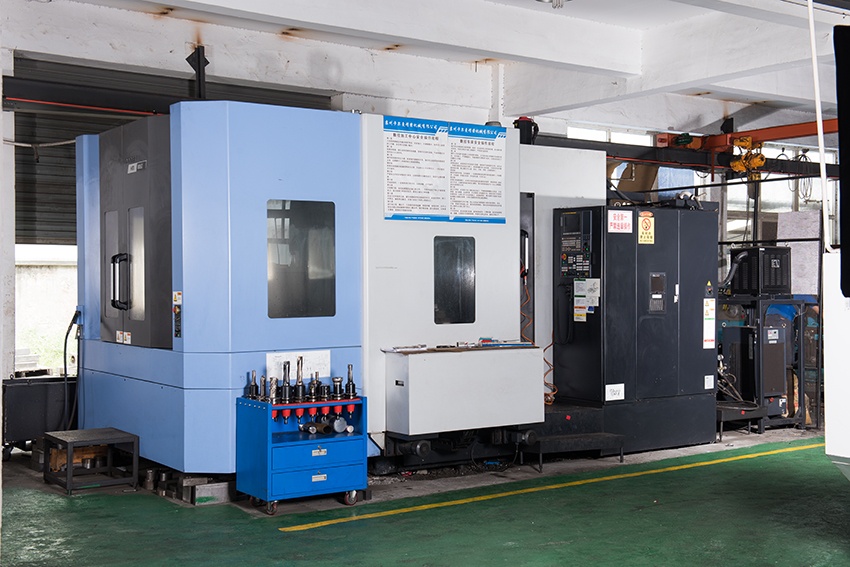
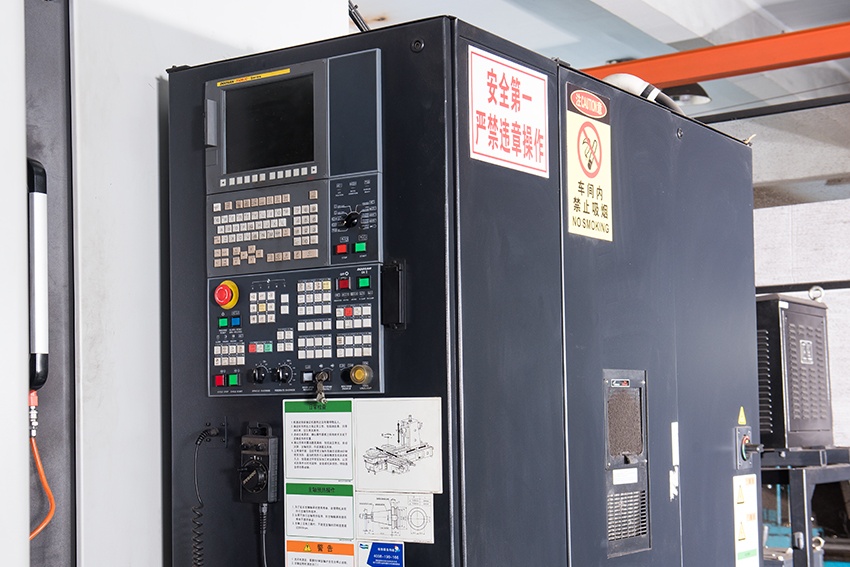
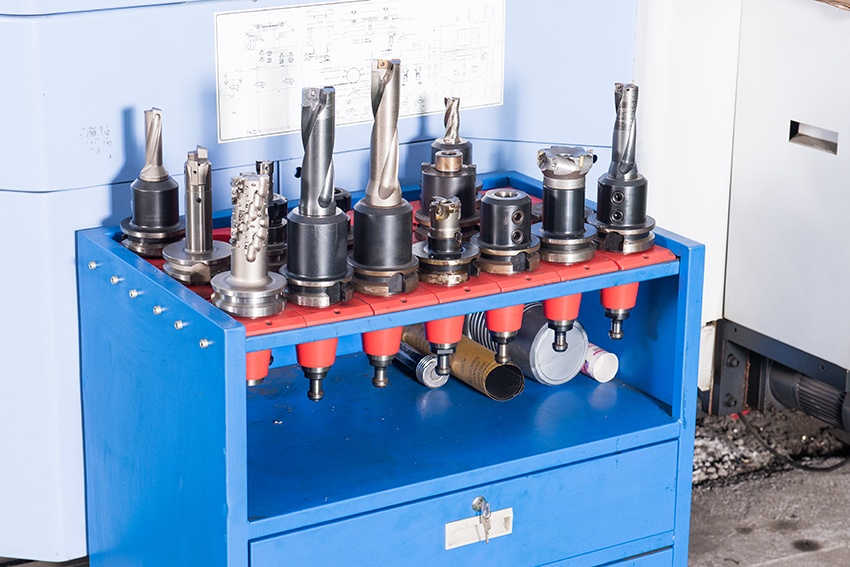
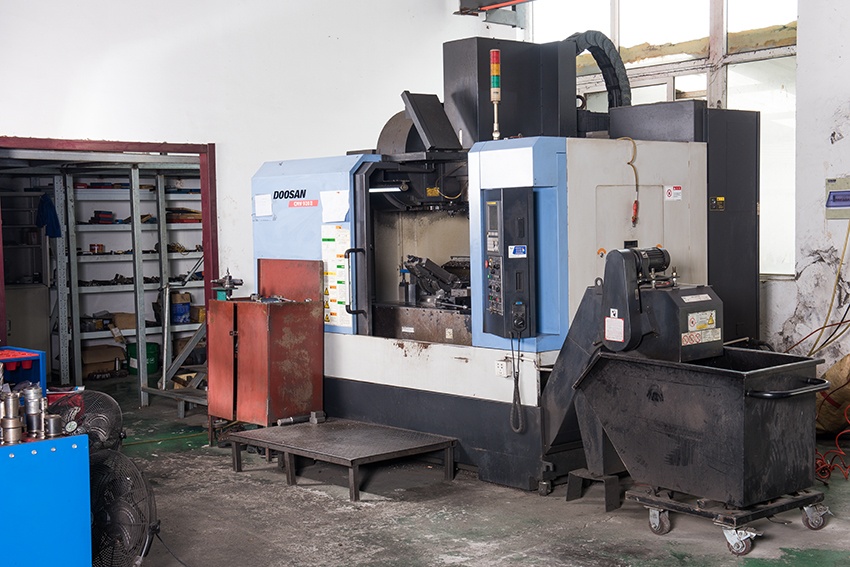
Explore our full selection of high-precision components designed for shale gas drilling and production systems.