
Leave Your Message
-
Contact WhatsApp
-
 Contact Phone
-
 Contact Email
The United States onshore and offshore oil and gas sectors continue to set global benchmarks for extraction efficiency and safety. In major shale plays such as the Permian Basin in Texas and New Mexico, the Bakken Shale in North Dakota, and the Eagle Ford in South Texas, operators deal with some of the most challenging downhole conditions in the world. High-pressure hydraulic fracturing, sour gas production containing corrosive H2S and CO2, and high-velocity sand flowback place massive demands on surface wellhead equipment.
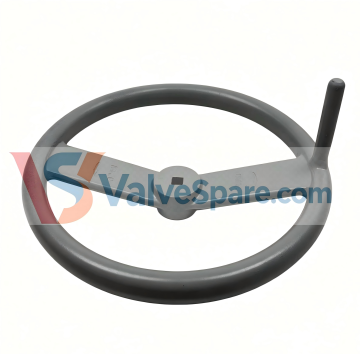
At the center of these operations is the API 6A Handwheel Gate Valve. As a critical manual isolation component on Christmas trees, choke manifolds, and frac flowback lines, the valve must perform flawlessly under pressures ranging from 2,000 psi up to 15,000 or even 20,000 psi. American operators require valves that not only meet the rigorous standards of the American Petroleum Institute (API Spec 6A) but also feature advanced wear-resistant coatings and low-torque manual operation mechanisms to guarantee field safety and minimize non-productive time (NPT).
Industrial Trend Indicator: Modern US oilfield operators are shifting rapidly toward zero-emission stem packing systems to comply with the EPA’s strict Leak Detection and Repair (LDAR) regulations. A high-quality API 6A handwheel gate valve must integrate reliable sealing technologies that prevent fugitive emissions under high-pressure thermal cycles.
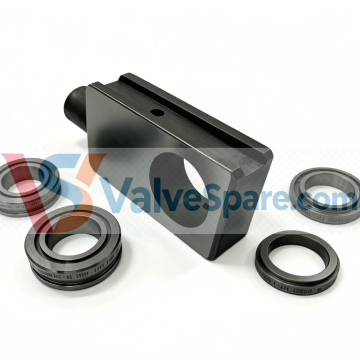
The concentration of valve manufacturing and engineering talent in Houston, Texas, and along the Gulf Coast has established a robust supply chain ecosystem. Factories in the United States focus on rapid turnaround times, custom engineering, and API 6A VR (Valve Repair) licensed services. Because a single day of shutdown on a high-producing multi-well pad can cost operators hundreds of thousands of dollars, having a reliable domestic manufacturer or a highly integrated global factory supplier with local distribution is crucial. Localized assembly, testing, and stocking of critical spares like slab gates, seats, stems, and handwheels ensure that active drilling rigs and production sites remain online.
Our core competitive advantage lies in industry-leading coating technology and strict quality control:
To be the most trusted long-term partner for our global customers. We envision a future where our advanced coating technologies eliminate downtime and maintenance costs for oilfield equipment. By mastering precision manufacturing, we strive to empower our clients to overcome the challenges of high pressure, corrosion, and severe wear.
To become the world's leading supplier of high-performance wear-resistant solutions for the oil & gas industry. We aim to set the global standard for thermal spray technology, enabling our customers to achieve higher efficiency, longer service life, and safer operations in extreme downhole environments.
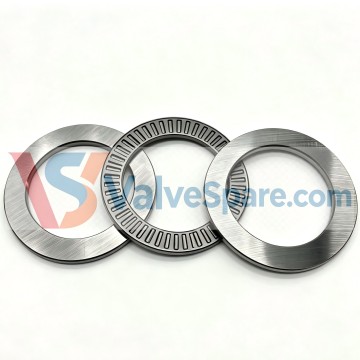
To meet the demanding requirements of the US shale revolution, valve manufacturers have had to innovate rapidly. Traditional manual gate valves often suffered from high operating torque, making them difficult for field operators to close quickly during emergencies. Modern API 6A design features high-precision thrust bearings and low-friction stem designs that reduce manual handwheel torque by up to 40%. This ensures that even under maximum differential pressure, a single field technician can reliably operate the valve.
During the flowback phase of a hydraulically fractured well, the fluid returning to the surface is loaded with proppant sand, ceramic particles, and highly saline produced water. This mixture acts as a high-velocity liquid abrasive, which can quickly erode the gate and seat surfaces of a standard valve. US factories now widely utilize High-Velocity Oxygen Fuel (HVOF) thermal spraying to apply Tungsten Carbide or Chrome Carbide cladding to the sealing faces. With a coating hardness exceeding HV1500 and a mirror-like surface roughness of Ra < 0.1 microns, these valves resist abrasive wear and maintain bubble-tight sealing over extended operational cycles.
Material Class Specifications: Depending on the localized reservoir chemistry, valves are manufactured to API 6A Material Classes ranging from DD (sour service) to HH (highly corrosive, requiring full CRA cladding). In the offshore fields of the Gulf of Mexico, cladding critical wetted areas with Inconel 625 is standard practice to prevent pitting and stress corrosion cracking.
Environmental conditions across the United States vary dramatically. Valves operating in West Texas must withstand intense summer heat and direct sunlight, which can raise surface temperatures above 140°F (60°C). Conversely, equipment in North Dakota's Bakken play must remain operational in sub-zero winter temperatures reaching -40°F (-40°C). This requires strict adherence to API 6A Temperature Ratings (such as L, P, U, V). Stems, bonnet seals, and handwheel assemblies must be constructed from materials that retain their impact strength and elasticity under extreme thermal fluctuations, preventing brittle failure when manual force is applied.
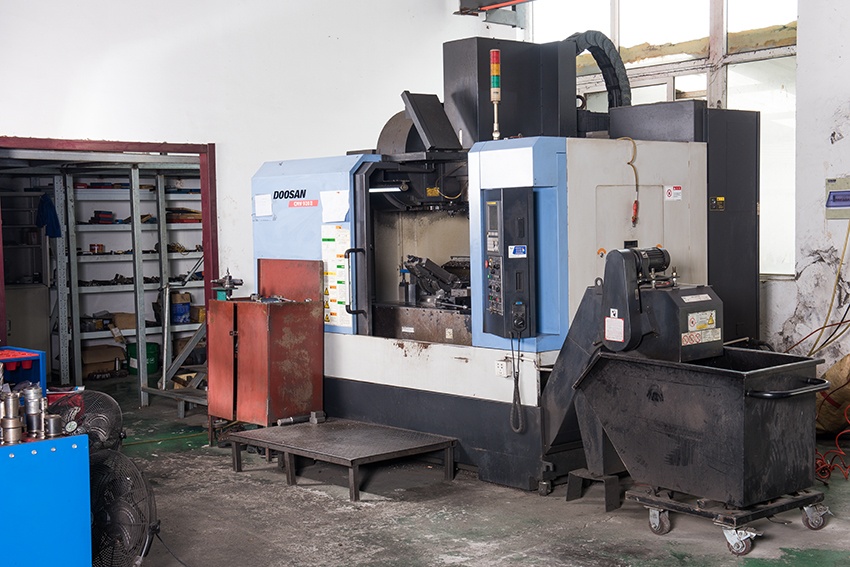
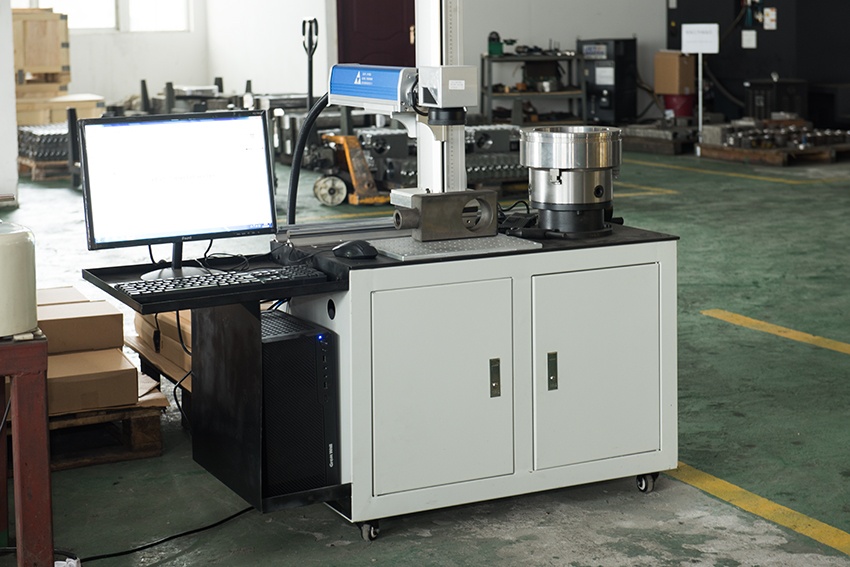
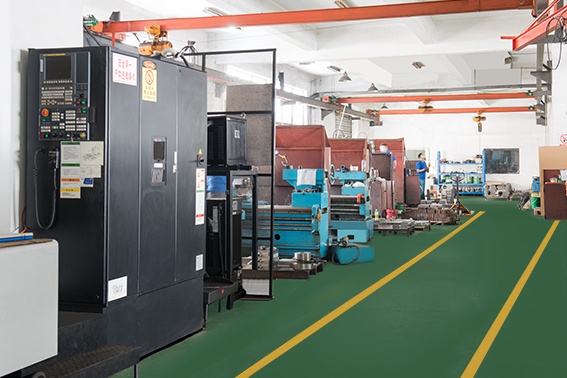
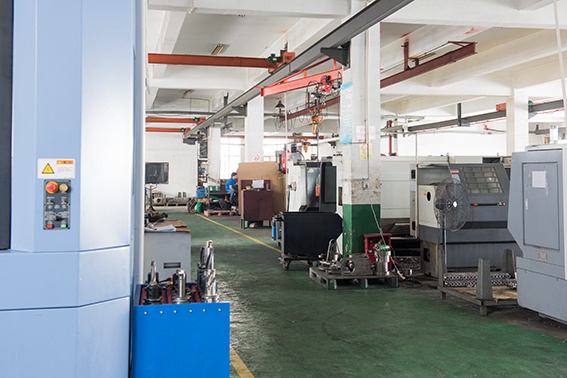
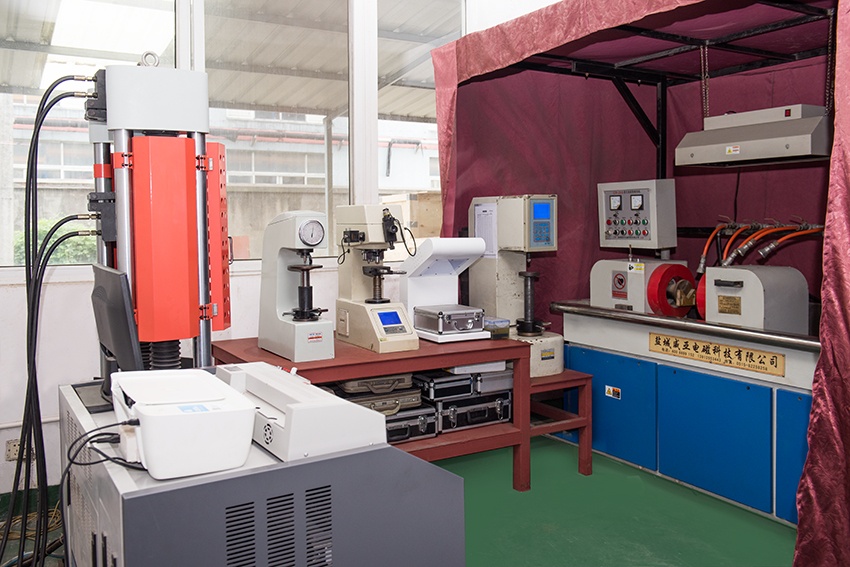
When sourcing API 6A handwheel gate valves and replacement parts for projects in the United States, engineers and procurement managers must evaluate several key factors to ensure safety, regulatory compliance, and longevity:
Ensure that the manufacturing facility holds a valid API 6A license. This license guarantees that the design, materials, and testing procedures (including hydrostatic body and seat tests) strictly adhere to industry standards. Ask for the manufacturer's API certificate number and verify its status on the API composite list.
API 6A classifies equipment into PR1 and PR2 levels. PR2 testing is much more rigorous, involving temperature cycles, pressure cycles, and dynamic seal tests. For critical applications such as high-pressure gas wells, offshore production, or frac manifolds, specify PR2-certified valves to ensure maximum sealing integrity.
Traceability is vital for liability and risk management in the US market. The manufacturer must provide complete MTRs for all pressure-containing and pressure-controlling parts, including the valve body, bonnet, gate, seat, and stem. This document confirms the chemical composition and mechanical properties of the steel alloys used.
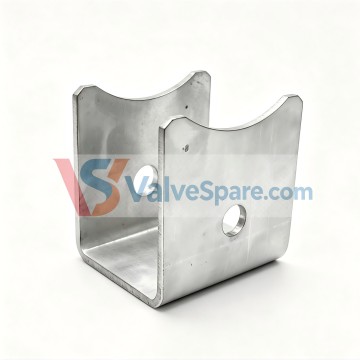
Whether you are installing a complete valve assembly or sourcing replacement parts like retainer plates, thrust bearings, packing glands, or slab gate plates, dimensional interchangeability is key. Many US operators utilize standard FLS or FC type designs. Sourcing parts that are 100% interchangeable with OEM specifications ensures fast field repairs without requiring full system modifications.