Leave Your Message
-
Contact WhatsApp
-
 Contact Phone
-
 Contact Email
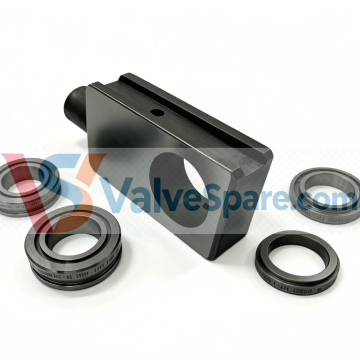
Ensure minimal downtime and maximum sealing integrity with our premium-grade API 6A replacement components.
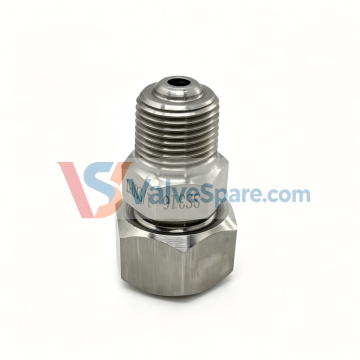
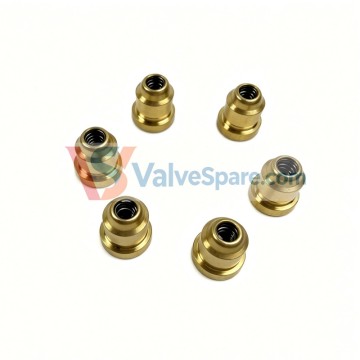
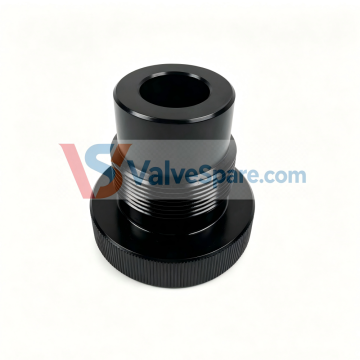
In the oil and gas sector, the integrity of surface extraction systems is paramount. The API 6A pressure gate valve stands as the primary mechanical barrier within the wellhead assembly and Christmas tree stack. Operating under intense pressures that regularly reach up to 15,000 PSI (and in extreme cases, 20,000 PSI), these valves manage the flow of highly volatile hydrocarbons, corrosive formation waters, and abrasive sands. Proper maintenance, replacement of worn internal components, and routine lubrication are vital strategies to prevent catastrophic failures, control fugitive emissions, and extend the operational life of the entire well site.
API Spec 6A, established by the American Petroleum Institute, defines the stringent requirements for the design, manufacture, and testing of wellhead and Christmas tree equipment. For gate valves, this standard dictates body and bonnet materials, dimensions, pressure ratings (ranging from 2,000 to 20,000 PSI), temperature classifications, and material classes (from AA for general services to HH for highly sour, corrosive environments). A deep understanding of these specifications is critical for maintenance engineers who must source exact replacement spares, such as stem adapters, packing glands, gate and seat assemblies, and bonnet seals, to ensure the valve remains compliant with its original design parameters.
Designed for systems operating from 2,000 PSI to 15,000+ PSI with structural safety margins that meet API Spec 6A standards.
Enhanced with advanced coatings and specialized alloys to withstand sour gas (H2S), CO2, and highly abrasive drilling fluids.
Standardized components allow for rapid replacement of packing glands, stems, and seats during scheduled shutdowns.
Our core competitive advantage lies in our industry-leading coating technology and strict quality control, ensuring that every replacement component matches or exceeds OEM specifications:
Wellhead Christmas trees are exposed to harsh atmospheric conditions onshore and offshore, alongside internal wear from high-velocity fluids. Over time, the internal components of a gate valve—such as the gate, seats, stem, and seals—suffer from erosion, corrosion, and mechanical fatigue. In particular, the constant cycle of opening and closing under differential pressure can cause wire-drawing, galling, or pitting on the gate and seat sealing faces. If left unaddressed, these defects compromise the valve's ability to achieve a bubble-tight shutoff, leading to internal leakage that threatens the safety of downstream operations.
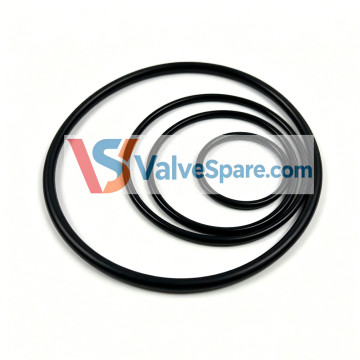
To combat these challenges, operators must implement rigorous preventative maintenance programs. This includes regular lubrication through high-pressure grease fittings to flush out debris and replenish the valve cavity sealant, as well as replacing elastomeric and metallic seals (such as stem O-rings and bonnet ring gaskets) before they degrade and cause external leaks. Sourcing reliable, high-precision replacement components is crucial for maintaining the structural integrity of the wellhead barrier.
In high-pressure, high-temperature (HPHT) and sour gas (H2S/CO2) wells, the operational demands on gate valves are amplified. Sour gas environments induce sulfide stress cracking (SSC) and hydrogen embrittlement in standard steels. Therefore, maintenance of valves in these scenarios requires parts manufactured from corrosion-resistant alloys (CRAs) like Inconel or duplex stainless steels, often enhanced with thermal spray coatings. Our HVOF (High-Velocity Oxygen-Fuel) applied Tungsten Carbide coatings provide a dense, hard barrier that stands up to both chemical attack and the abrasive action of proppant sands returning during flowback operations.
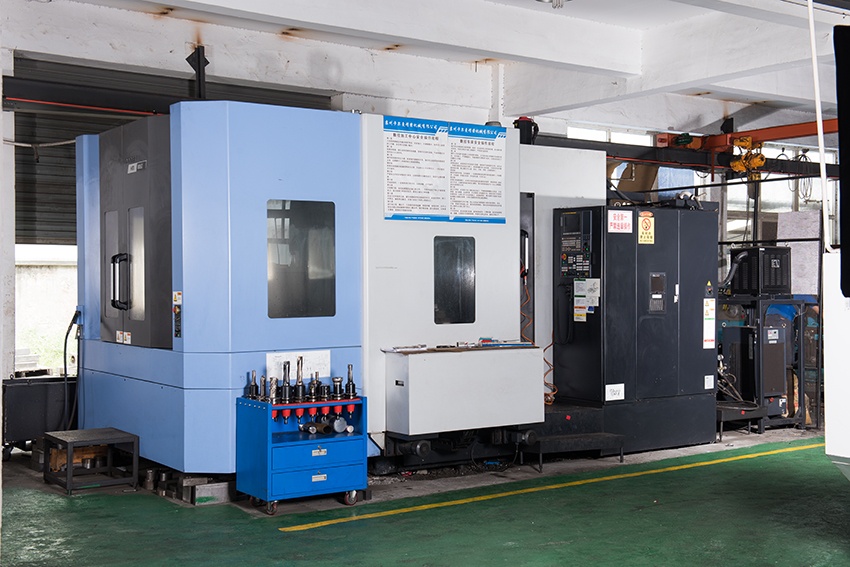
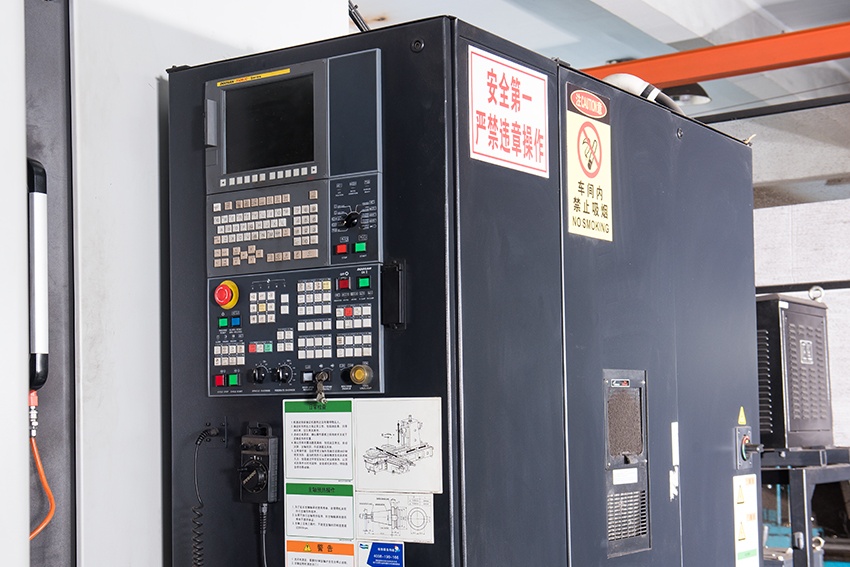
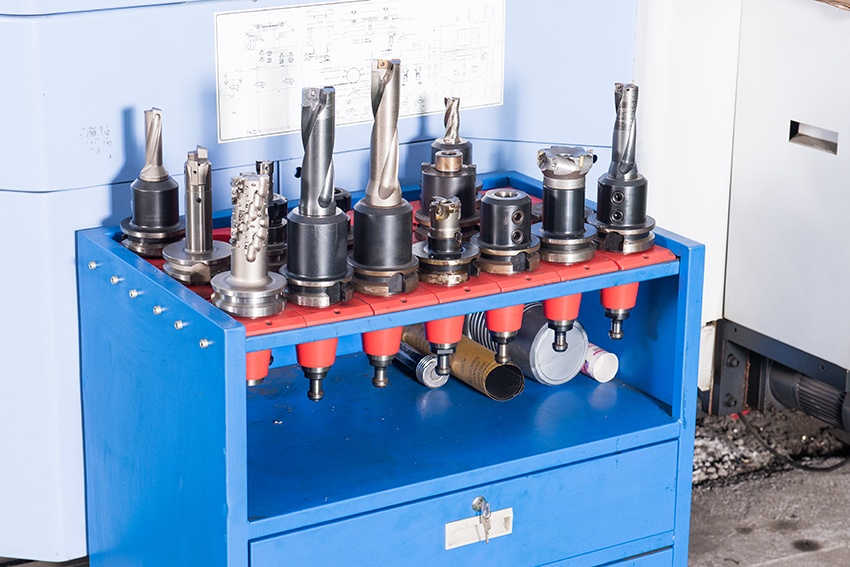
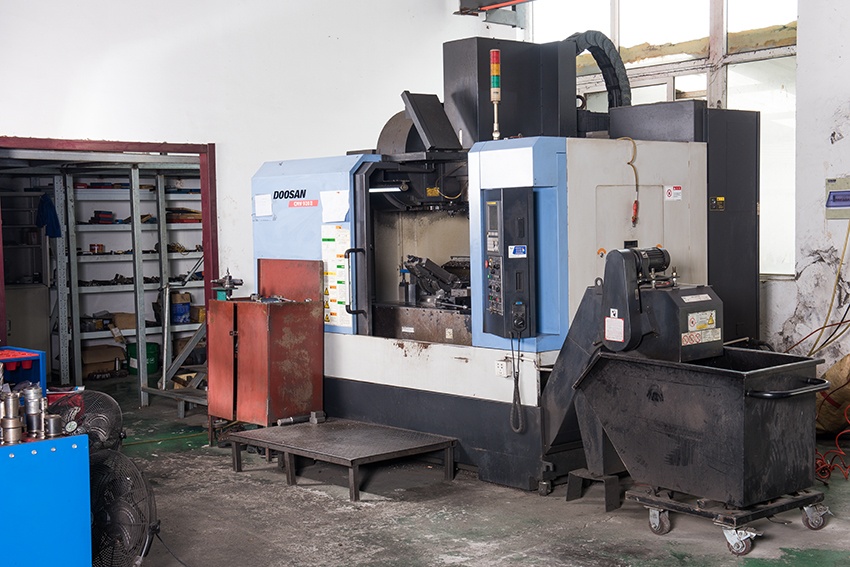
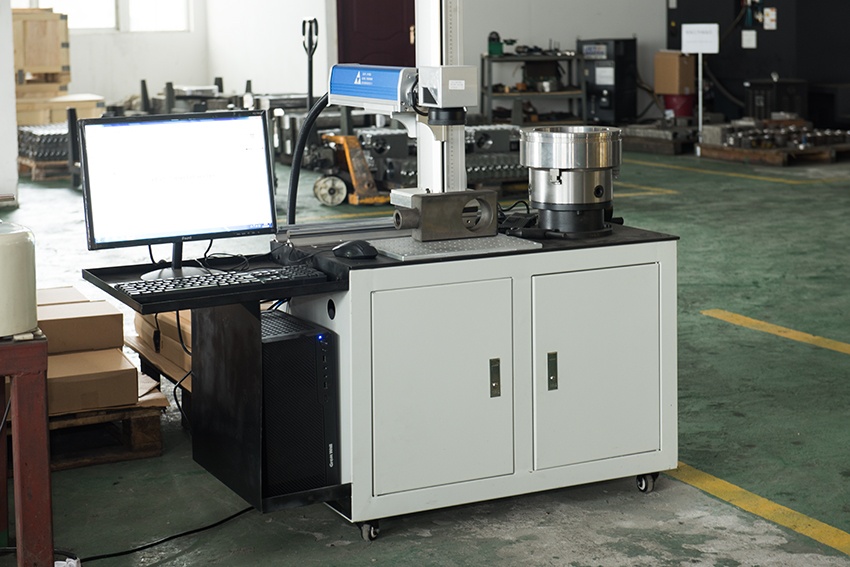
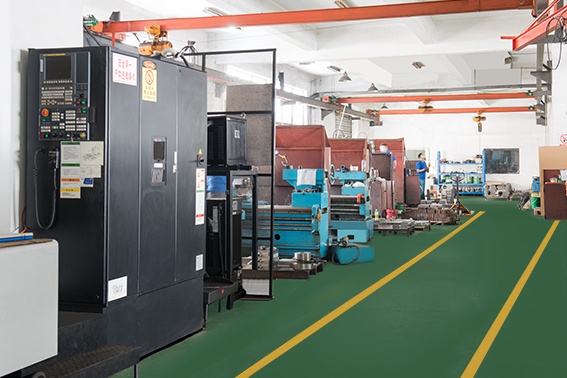
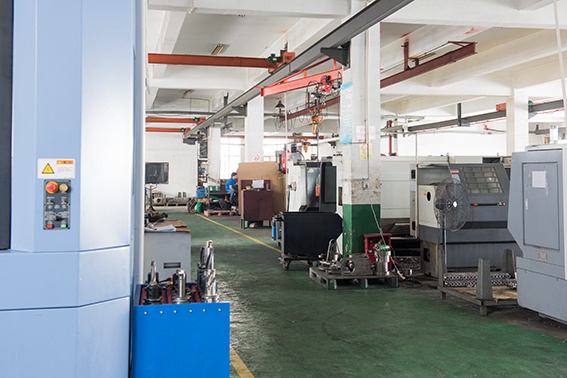
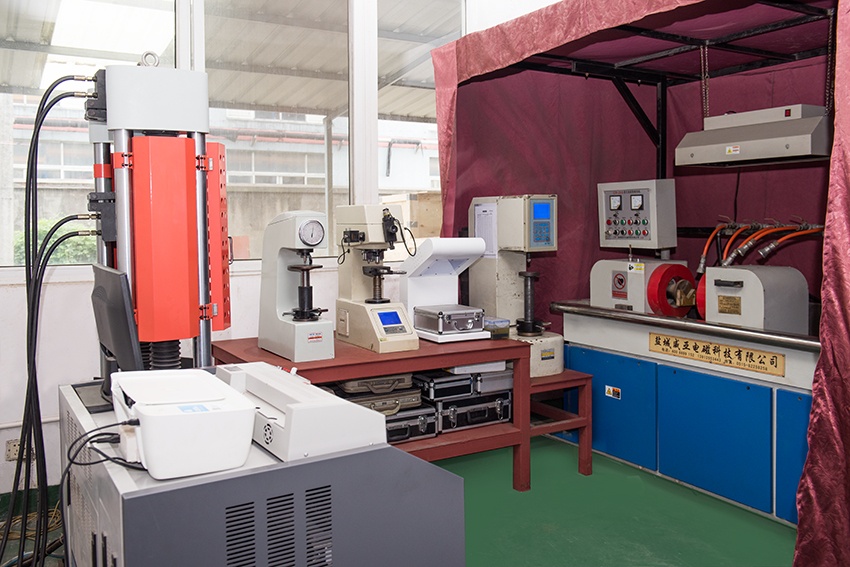
Precision engineering supported by state-of-the-art thermal spraying, machining, and quality assurance facilities.
To successfully execute an API 6A gate valve rebuild, maintenance teams must identify and replace several critical components:
The oil and gas industry is shifting toward predictive maintenance models. By integrating smart sensors into the wellhead Christmas tree, operators can monitor pressure drops, temperature fluctuations, and acoustic emissions that indicate internal valve leakage or seal degradation. This data allows maintenance campaigns to be scheduled based on actual equipment condition rather than arbitrary time intervals, reducing unnecessary interventions and minimizing production losses. However, regardless of how advanced the monitoring technology becomes, the physical reliability of the system still relies on high-quality mechanical components, precise tolerances, and superior surface coatings.
Hear from drilling engineers and maintenance supervisors worldwide who rely on our API 6A components.
To be the most trusted long-term partner for our global customers. We envision a future where our advanced coating technologies eliminate downtime and maintenance costs for oilfield equipment. By mastering precision manufacturing, we strive to empower our clients to overcome the challenges of high pressure, corrosion, and severe wear.
To become the world's leading supplier of high-performance wear-resistant solutions for the oil & gas industry. We aim to set the global standard for thermal spray technology, enabling our customers to achieve higher efficiency, longer service life, and safer operations in extreme downhole environments.
Browse our complete inventory of critical parts for Type FC, FL, and FLS gate valves.