
Leave Your Message
-
Contact WhatsApp
-
 Contact Phone
-
 Contact Email
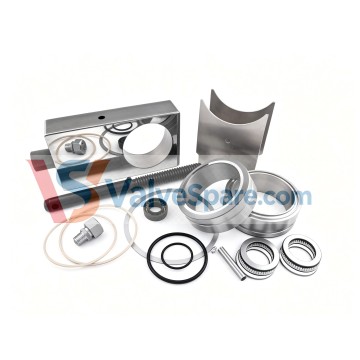
The United States oil and gas industry is defined by its pursuit of efficiency, safety, and technological innovation. From the vast, dusty expanses of the Permian Basin in West Texas and New Mexico to the challenging offshore platforms in the Gulf of Mexico, operators face some of the most demanding environmental conditions in the world. In these high-pressure, high-temperature (HPHT) reservoirs, flow control is paramount. The API Spec 6A standard serves as the benchmark for wellhead and christmas tree equipment, ensuring that all valves, adapters, and seals can withstand pressures ranging from 2,000 to over 15,000 psi.
Within this ecosystem, the API 6A Replaceable Gate Valve has emerged as an indispensable asset. Unlike traditional, fully welded valves that require entire unit replacements when components fail, replaceable gate valves allow for rapid on-site maintenance. By utilizing field-replaceable parts such as slab gates, seat rings, stem adapters, and bonnet seals, US operators can restore flow control equipment to OEM specifications within hours instead of days. This localized maintenance capability dramatically reduces non-productive time (NPT), which can cost operators hundreds of thousands of dollars per day in active shale plays.
"In high-stage hydraulic fracturing environments, abrasive frac sand and corrosive flowback fluids wreak havoc on internal valve components. Having access to high-precision, drop-in replacement parts like Type FC and FLS major repair kits ensures that US service providers can maintain continuous operations without experiencing catastrophic downtime."
Several key trends are driving the adoption of replaceable API 6A gate valve technologies across the United States. First and foremost is the industry's commitment to Environmental, Social, and Governance (ESG) criteria. Minimizing fugitive emissions is a top priority for US regulatory bodies, including the EPA. Advanced sealing technologies, such as the SLS (Spring-Loaded Lip Seal) for Type FLS and FLS-R gate valves, ensure zero-leakage performance under dynamic pressures, significantly reducing the environmental footprint of wellhead operations.
Secondly, supply chain resilience has become a major focus for US procurement managers. By sourcing high-quality, interchangeable valve parts from reliable manufacturers who serve the US market, companies can maintain lean inventories of critical spares (like bonnet seal ring gaskets, seat rings, and stem adapters) rather than stocking entire valve assemblies. This shift toward modular maintenance aligns with digital inventory systems and predictive maintenance schedules deployed by major operators.
Our core competitive advantage lies in industry-leading coating technology and strict quality control:
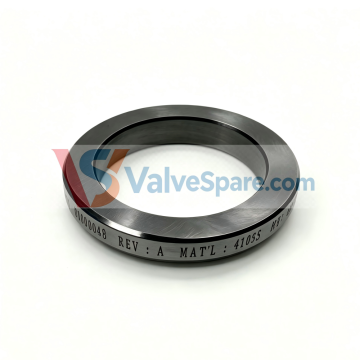
In the Permian Basin, horizontal drilling and multi-stage hydraulic fracturing require millions of pounds of proppant (frac sand). When wells flow back, this sand acts as an abrasive slurry, eroding the internal surfaces of slab gates and seat rings. The Type FC and FLS gate valves used here require extremely hard, wear-resistant coatings. Our HV1500 hardness coatings and mirror finishes (Ra<0.1) prevent sand particles from scoring the sealing surfaces, maintaining a bubble-tight seal even after multiple fracturing cycles.
Offshore production platforms and subsea completions in the Gulf of Mexico demand the highest levels of corrosion resistance due to continuous exposure to saltwater and sour production fluids containing hydrogen sulfide (H2S) and carbon dioxide (CO2). Using specialized metallurgy and bonnet seal ring gaskets designed for the Type FC, FL, and FLS gate valves ensures that offshore operators can prevent hazardous leaks, satisfying stringent BSEE safety regulations.
The Bakken Shale presents unique challenges with winter temperatures dropping well below freezing. Elastomeric seals can become brittle and lose their sealing force under these conditions. The SLS Seal for Type FLS and FLS-R gate valves utilizes spring-energized lip seal technology that maintains constant radial pressure against metal surfaces, ensuring reliable gas sealing at 140MPa even in sub-zero North Dakota winters.
To be the most trusted long-term partner for our global customers. We envision a future where our advanced coating technologies eliminate downtime and maintenance costs for oilfield equipment. By mastering precision manufacturing, we strive to empower our clients to overcome the challenges of high pressure, corrosion, and severe wear.
To become the world's leading supplier of high-performance wear-resistant solutions for the oil & gas industry. We aim to set the global standard for thermal spray technology, enabling our customers to achieve higher efficiency, longer service life, and safer operations in extreme downhole environments.
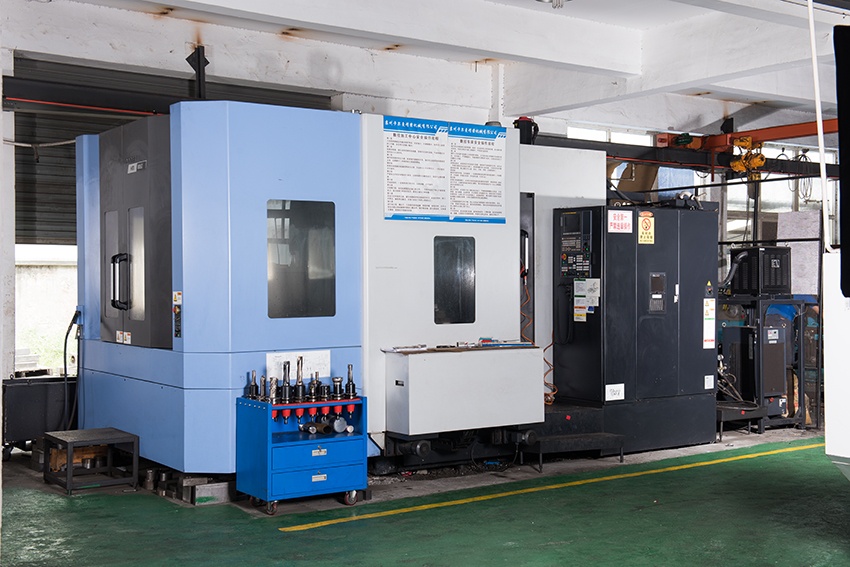
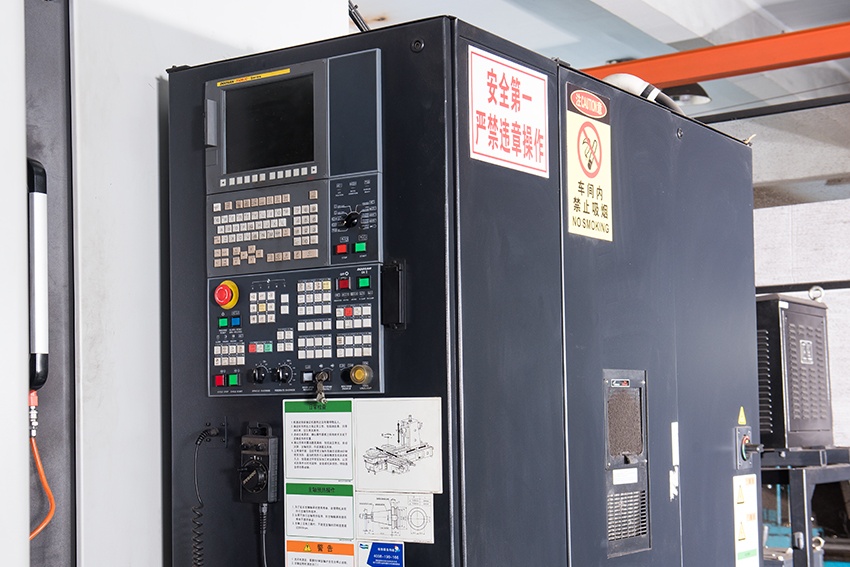
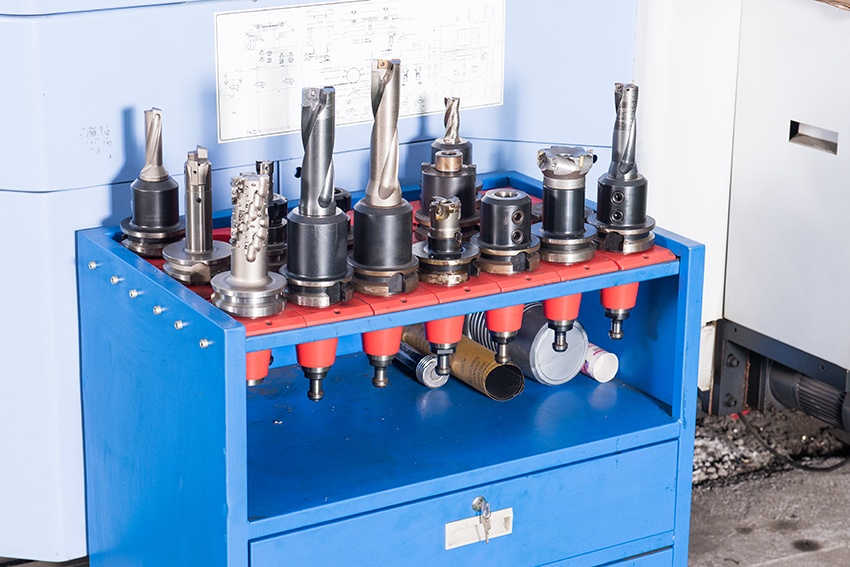
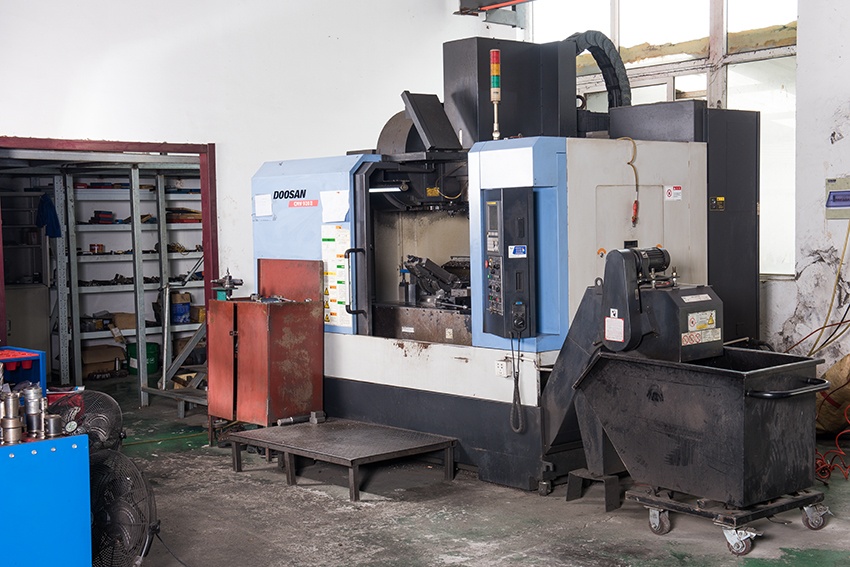
The performance of any replaceable gate valve component depends heavily on the quality of its surface coating. In the oil and gas industry, components like seat rings and slab gates are subjected to extreme sliding friction, high velocity flow, and corrosive environments. To counter these forces, we utilize High-Velocity Oxygen Fuel (HVOF) thermal spray technologies to apply tungsten carbide (WC-Co-Cr) and cobalt-based alloys (Stellite).
Our coatings achieve a porosity of less than 1%, ensuring that high-pressure gases cannot penetrate the coating layer to cause sub-surface corrosion or delamination. With a bond strength exceeding 75MPa and hardness ratings reaching up to HV1500, our components outlast standard carbon steel replacements by up to 5 times. Furthermore, the mirror-like finish (Ra < 0.1) reduces the operating torque required to open and close the valves, reducing wear on the stem adapters and hydraulic actuators (such as the Type FLS DAN hydraulic cylinders).