
Leave Your Message
-
Contact WhatsApp
-
 Contact Phone
-
 Contact Email
In the upstream oil and gas sector, the wellhead and Christmas tree assembly stands as the primary barrier preventing the uncontrolled release of reservoir fluids. Operating under extreme parameters—where pressures can range from 5,000 to over 20,000 psi and temperatures fluctuate violently—these systems demand components of unmatched reliability. Among these components, the API 6A gate valve is the quintessential isolation device.
API Spec 6A (Specification for Wellhead and Christmas Tree Equipment) sets strict international benchmarks for the design, dimensional interchangeability, materials, and testing of these valves. However, as global energy extraction shifts toward deeper reservoirs, offshore deepwater plays, and high-pressure, high-temperature (HPHT) unconventional shale formations, the operational stress on wellhead gate valves has reached unprecedented levels. In these environments, replacing a gate valve or its internal components is not merely a routine maintenance task; it is a critical engineering intervention designed to restore the absolute pressure integrity of the wellhead barrier.
Industrial Trend Note: Modern oilfield operations are increasingly moving toward extended-reach drilling and high-density hydraulic fracturing. This introduces enormous volumes of abrasive proppants (sand) and highly corrosive chemicals, accelerating the wear of internal valve components and making regular, structured valve replacement or rebuilding programs essential for asset integrity.
Before executing an API 6A gate valve replacement, engineers must understand the mechanical and chemical degradation mechanisms that necessitate such actions. The primary factors include:
Replacing an entire valve assembly is often economically and logistically challenging. Consequently, operators frequently perform internal rebuilds by replacing target components. Understanding the roles of these parts is crucial:
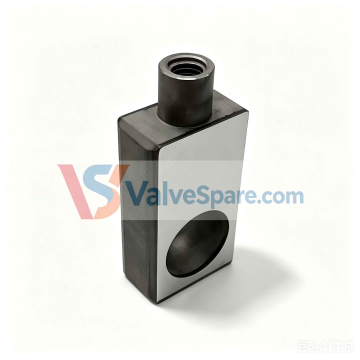
The primary seal in an API 6A gate valve is achieved through metal-to-metal contact between the slab gate plate and the seat rings. Unlike wedge-style gate valves, slab gates feature a flat, parallel-faced design. This configuration relies on the upstream fluid pressure to push the gate against the downstream seat, creating a bubble-tight seal. To withstand the continuous sliding action under high differential pressures, these components are coated with wear-resistant materials like Tungsten Carbide via supersonic flame spraying (HVOF). If the coating is compromised, the valve will fail pressure testing.
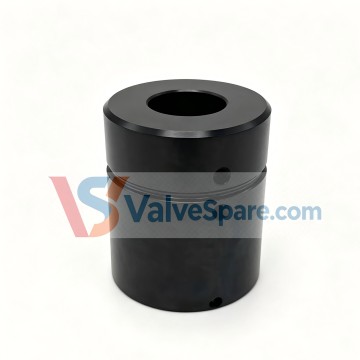
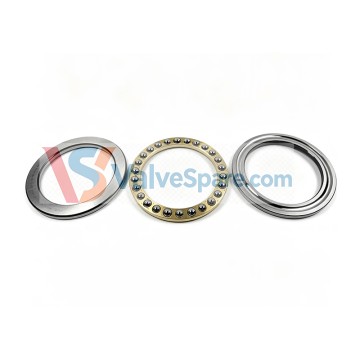
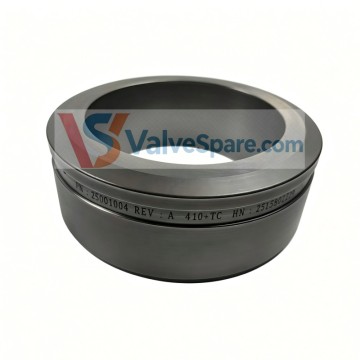
The stem adapter and operating stem convert the rotational force of the handwheel (or linear force of a hydraulic actuator) into the vertical travel of the gate. These components must withstand massive torsional and axial loads. Wear on the stem threads or deformation of the stem adapter can lead to valve binding, high operating torque, or the inability to fully open or close the valve, which poses a severe safety hazard during emergency shut-ins.
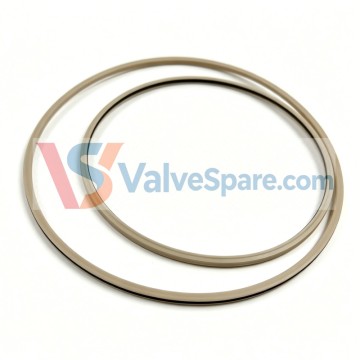
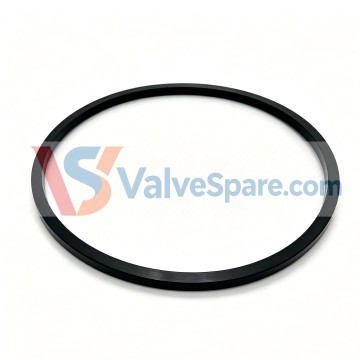
While metal-to-metal sealing is used for primary shutoff, elastomeric and thermoplastic seals are utilized for secondary interfaces. The OD Face Seal (Teflon or Spring-Energized) prevents fluid from bypassing the seat rings and entering the valve body cavity. Under HPHT conditions, standard rubber seals degrade rapidly. Advanced materials like PTFE, PEEK, and spring-energized metal jackets are utilized to maintain elasticity and chemical resistance over long service lives.
Replacing an API 6A gate valve on a live or shut-in wellhead requires strict adherence to safety protocols and engineering standards. The following protocol outlines the industrial standard operating procedure (SOP):
Safety is paramount. The well must be killed or isolated using downhole plugs (such as surface-controlled subsurface safety valves or bridge plugs). A Double Block and Bleed (DBB) procedure must be implemented. The pressure in the section of the wellhead containing the target gate valve must be bled down to zero. Pressure gauges must be monitored over a designated period to ensure there is no pressure build-up due to passing upstream valves.
Once depressurization is verified, technicians utilize hydraulic bolt tensioners or torque wrenches to loosen the flange stud bolts. The valve body must be properly rigged and supported by a crane or hoist before the final bolts are removed. Upon removal, the old ring joint gasket (typically BX or RX type) must be discarded; API 6A strictly prohibits the reuse of metallic ring gaskets.
Before installing the replacement valve or rebuilding the existing one, the flange ring grooves on the wellhead connection must be meticulously cleaned and inspected. Any pitting, scratches, or corrosion in the ring groove can prevent the new gasket from sealing, leading to a catastrophic leak during pressure testing.
Align the replacement valve with the flowline. Install a new API-certified ring gasket. Lubricate the stud bolts and tighten them in a cross-pattern (star pattern) sequence to ensure uniform compression of the ring gasket. Tightening must be done in stages (e.g., 30%, 60%, 100% of target torque) using calibrated torque equipment.
After installation, a hydrostatic shell and seat test must be performed. The test pressure is determined by the valve's working pressure rating (typically 1.5 times the working pressure for the shell test). The pressure must hold steady with zero leakage for the duration specified by the Product Specification Level (PSL 1, 2, 3, or 4) of the valve.
In today's era of convenient internet communication, trust is scarce. We have always stayed true to our original aspiration, crafting valve products with meticulous craftsmanship, and winning recognition from global buyers.
Founded in 2011 in a humble workshop in Suzhou, our core mission was to break the monopoly of foreign high-end valve plates and seats, so that buyers would no longer have to rely on overpriced imported products. Facing industry pain points such as seat seal leakage and high-sulfur corrosion in oilfield applications, we stayed rooted in frontline operations, braving high temperatures and pressures to repeatedly test materials and optimize sealing structures, successfully resolving leakage issues.
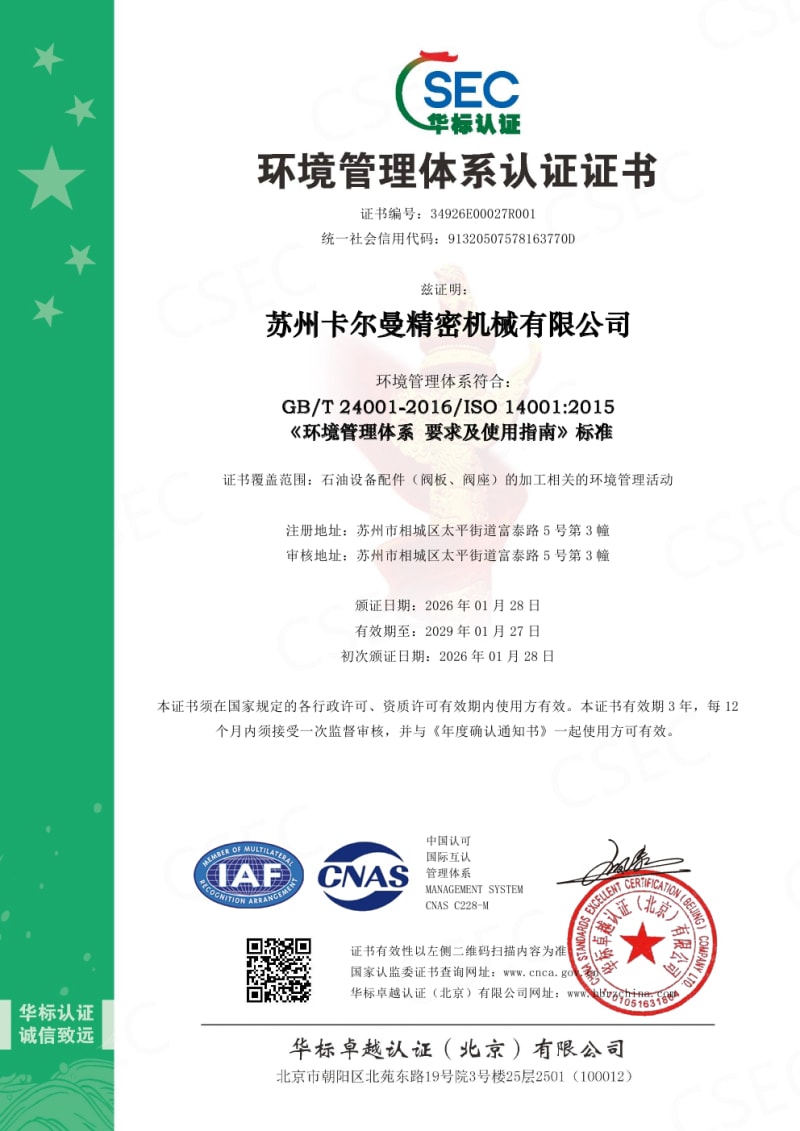
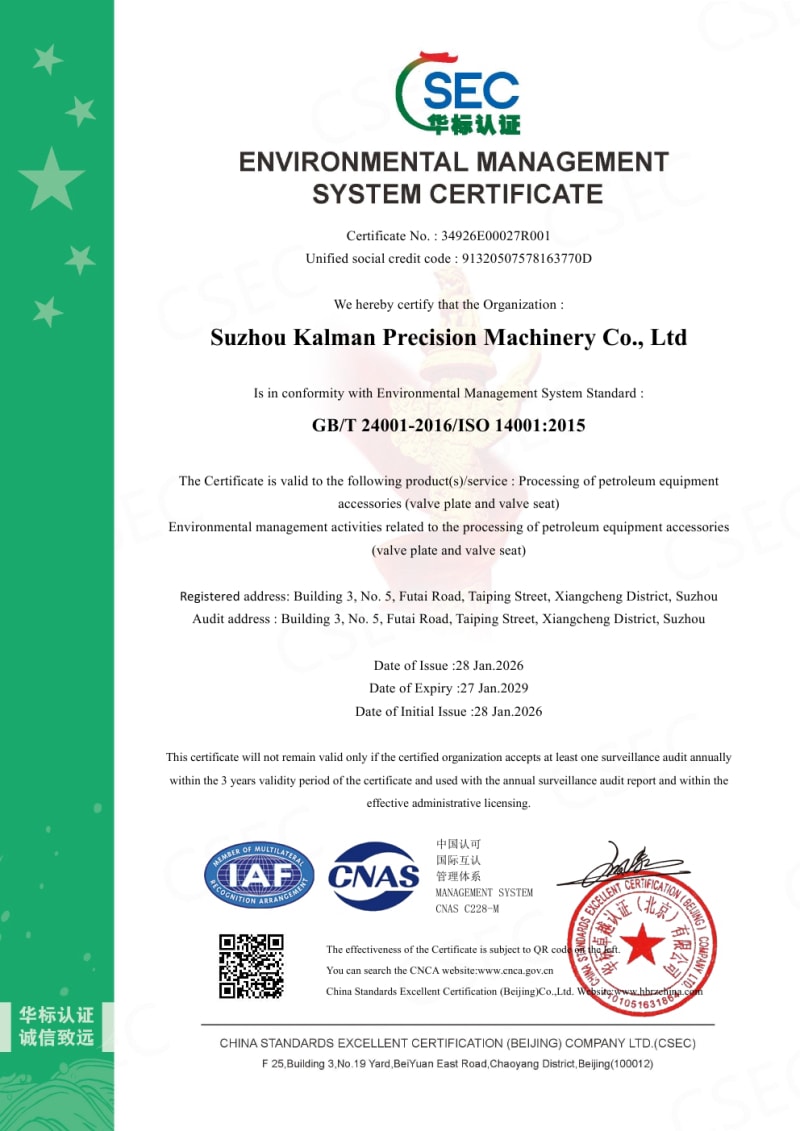
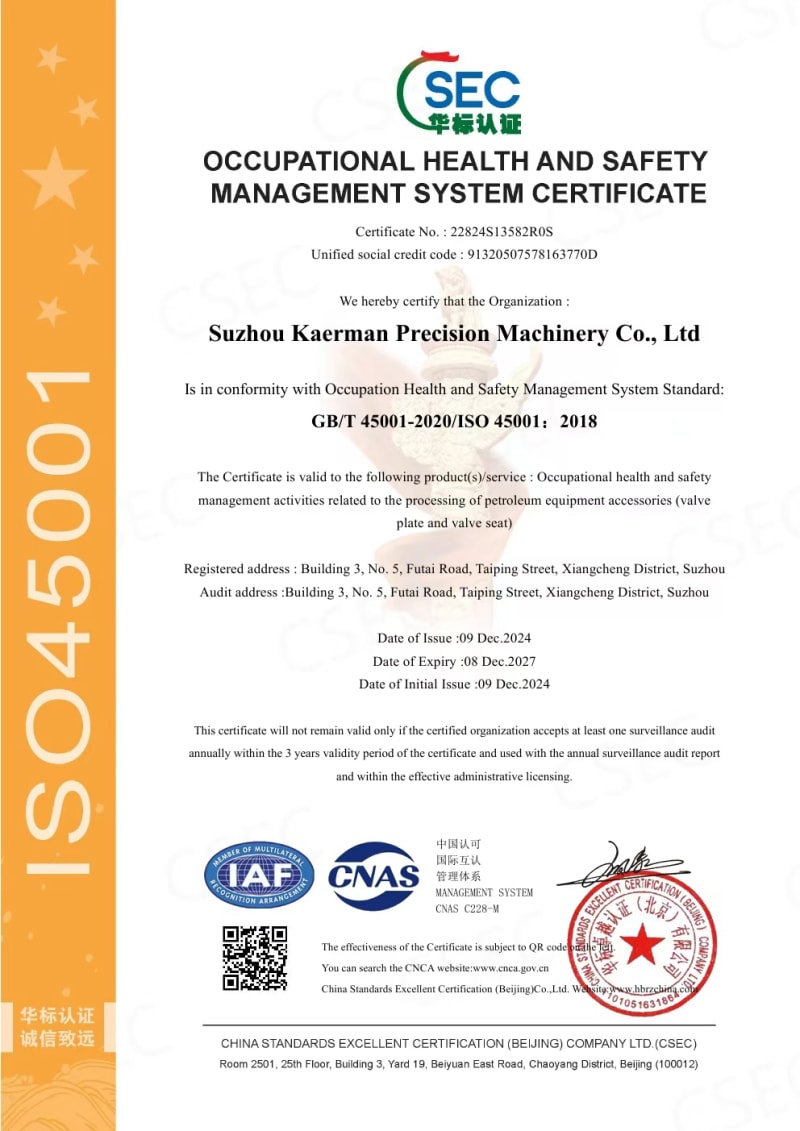
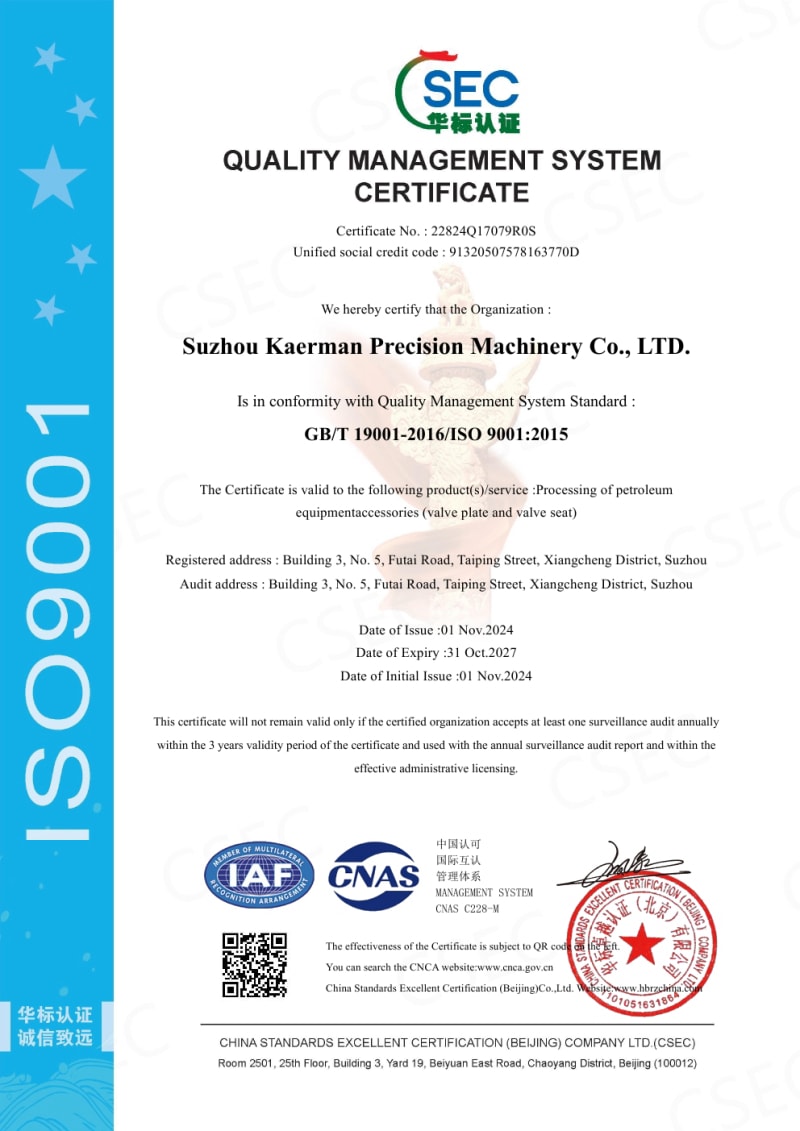
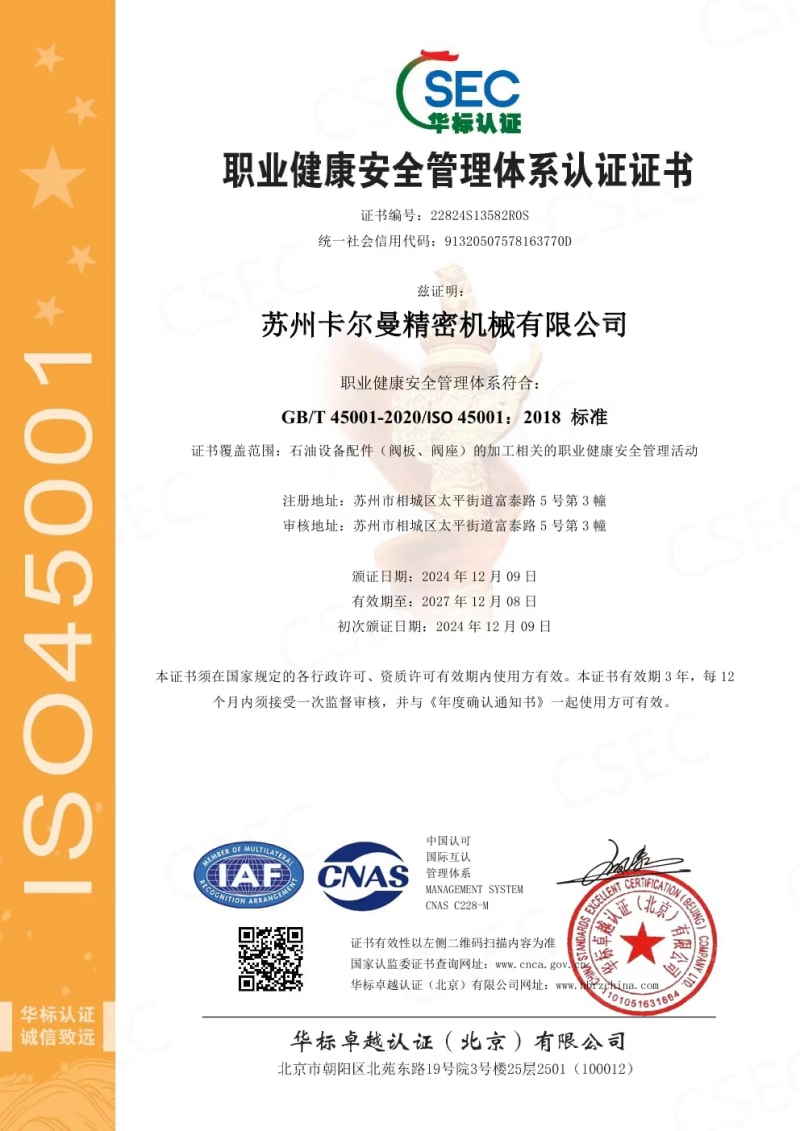
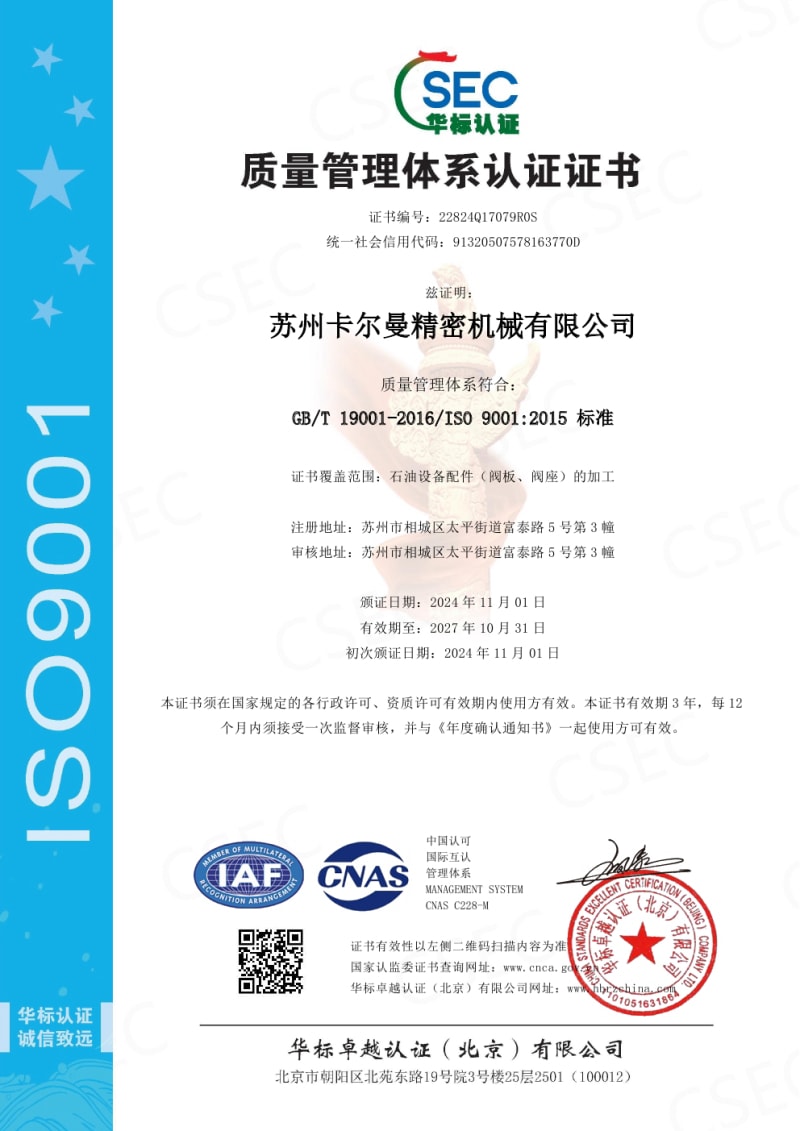
We are deeply committed to quality and have obtained API certification as well as the three management system certifications. From developing only valve plates and seats, we have grown into a partner capable of providing comprehensive solutions.
After 15 years of perseverance, we uphold our original aspiration with craftsmanship, and have become a trusted supplier of high-end valve accessories for global buyers through professionalism and sincerity.
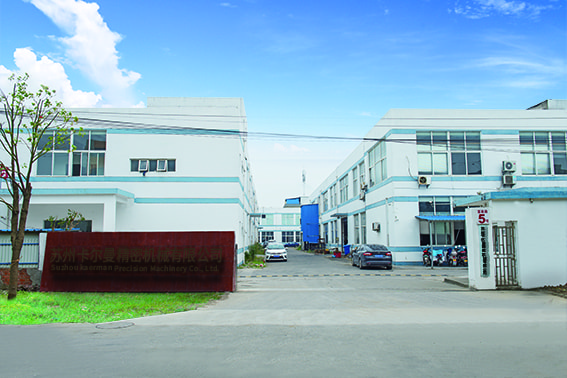
We are a team of seasoned engineers and technicians with years of hands-on experience in supersonic flame spraying for petroleum machinery. All core operators receive systematic professional training, bringing deep expertise in thermal spray technology and quality control.
We specialize in manufacturing precision wear-resistant parts (including valve gates, wellhead components, and sealing parts) using advanced PRAXAIR TAFA JP8000 supersonic flame spraying equipment. We customize coating processes and parameters for different products to deliver exceptional performance under extreme working conditions.
We solve critical pain points for oil & gas operators: