Leave Your Message
-
Contact WhatsApp
-
 Contact Phone
-
 Contact Email
Engineered spare parts and assemblies designed to withstand heavy sand-laden flowback and high-pressure production lines.

In modern oil and gas extraction, sand production is an increasingly prominent issue. As wells mature and unconventional extraction methods—such as hydraulic fracturing (fracking) and Steam-Assisted Gravity Drainage (SAGD)—become standard practice, the fluids flowing through upstream pipelines are no longer pure hydrocarbons. Instead, they are highly abrasive slurries containing formation sand, proppants, and corrosive gases (CO2 and H2S).
This sand-bearing flow behaves like a continuous sandblasting machine inside the piping network. The high-velocity impact of solid particles causes severe erosive wear, localized thinning of pressure-retaining walls, and premature failure of flow control equipment. Among all pipeline components, the gate valve is the most vulnerable. Standard valves experience rapid seal degradation, gate washout, and structural body erosion, leading to dangerous leaks, expensive unplanned downtime, and significant environmental risks.
To combat this aggressive erosion, the global oil and gas sector relies on API 6A Solid Gate Valves. Engineered specifically for high-pressure, high-temperature (HPHT) environments, these valves feature a robust, single-piece solid gate design. By eliminating internal cavities where sand particles can settle and jam moving parts, the solid slab design maintains structural integrity and delivers a reliable metal-to-metal seal even under severe sand-loading conditions.
How the API 6A Solid Gate Valve utilizes modern metallurgy and structural design to defeat abrasive wear.
The single-piece solid gate design eliminates the internal pockets and split mechanisms found in flexible or expanding gates, preventing sand accumulation and jamming during open/close cycles.
High-Velocity Oxygen-Fuel (HVOF) thermal spraying applies a dense, uniform layer of Tungsten Carbide (WC-Co-Cr) onto critical sealing faces, achieving surface hardness up to HV1500.
The full-bore, through-conduit design minimizes turbulence and fluid direction changes, reducing the local impingement angles of sand particles and lowering overall erosion rates.
Standard Compliance: API Spec 6A, NACE MR0175 / ISO 15156
Pressure Ratings: Up to 15,000 PSI (103.4 MPa) / 20,000 PSI (137.9 MPa)
Temperature Ratings: K to Y (-60°C to 180°C / -75°F to 350°F)
Material Classes: AA, BB, CC, DD, EE, FF, HH
The API 6A solid gate valve is not just a general-purpose valve; it is a critical safety barrier in high-risk zones. The primary application scenarios include:
1. Hydraulic Fracturing Flowback: After fracking, the return fluid contains high concentrations of frac sand (proppants). The flowback valves must handle high-pressure, high-velocity sand slurries as the well is cleaned up. A failure here can result in a catastrophic surface blowout.
2. Sand-Producing Gas Wells: Gas wells with high flow velocities carry sand particles at speeds exceeding 30 m/s. At these velocities, even tiny sand grains act as high-energy projectiles, causing rapid erosion on the valve gate and seat. The solid gate's metal-to-metal sealing system ensures tight shut-off under these extreme conditions.
3. Heavy Oil and SAGD Operations: In thermal recovery processes, sand is frequently produced alongside highly viscous oil. The combination of high temperatures and abrasive sand requires specialized internal coatings and robust mechanical designs to prevent thermal expansion binding and abrasive wear.
Our core competitive advantage lies in industry-leading coating technology and strict quality control:
To be the most trusted long-term partner for our global customers. We envision a future where our advanced coating technologies eliminate downtime and maintenance costs for oilfield equipment. By mastering precision manufacturing, we strive to empower our clients to overcome the challenges of high pressure, corrosion, and severe wear.
To become the world's leading supplier of high-performance wear-resistant solutions for the oil & gas industry. We aim to set the global standard for thermal spray technology, enabling our customers to achieve higher efficiency, longer service life, and safer operations in extreme downhole environments.
As oil and gas reserves become harder to access, the industry is pushing the boundaries of material science. The future of API 6A solid gate valves lies in smart monitoring and advanced nanotechnology coatings. Researchers and manufacturers are actively testing nano-structured tungsten carbide matrices that offer even higher fracture toughness, preventing the micro-chipping that can occur under high-impact particulate bombardment.
Furthermore, the integration of real-time erosion monitoring systems is gaining traction. By embedding ultrasonic or acoustic emission sensors into the valve body, operators can monitor wall thickness degradation and gate wear in real-time. This shifts maintenance from a reactive or scheduled approach to predictive maintenance, allowing operators to replace worn parts during planned shut-downs rather than responding to emergency leaks.
Erosion control is not only an operational necessity but also a core component of environmental, social, and governance (ESG) compliance. Methane emissions from leaking valve stems and packing glands represent a significant portion of upstream carbon footprints. By utilizing advanced packing glands and high-integrity bonnet seals, operators can virtually eliminate fugitive emissions.
From an economic perspective, extending the service life of a gate valve from 6 months to 24 months through advanced surface treatment yields a massive return on investment (ROI). It reduces the total cost of ownership (TCO), minimizes spare parts inventory overhead, and protects downstream processing equipment from sand contamination.
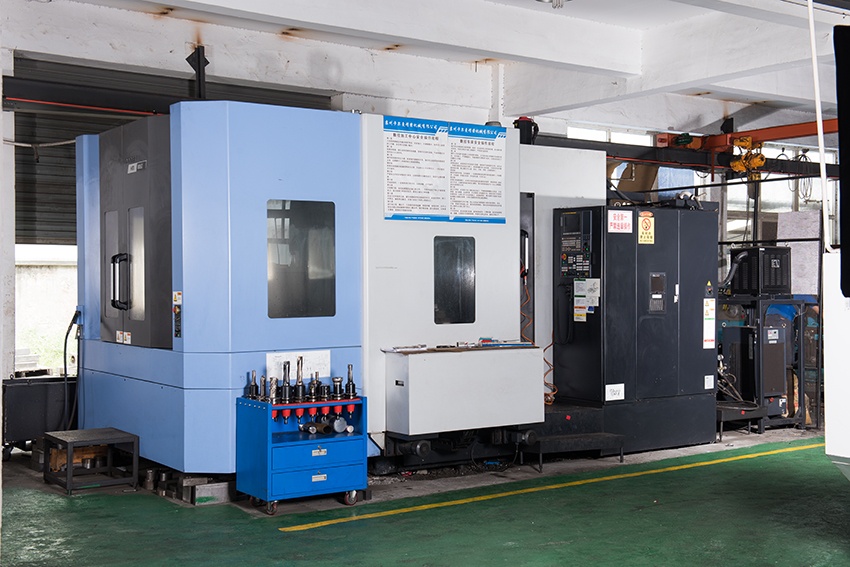
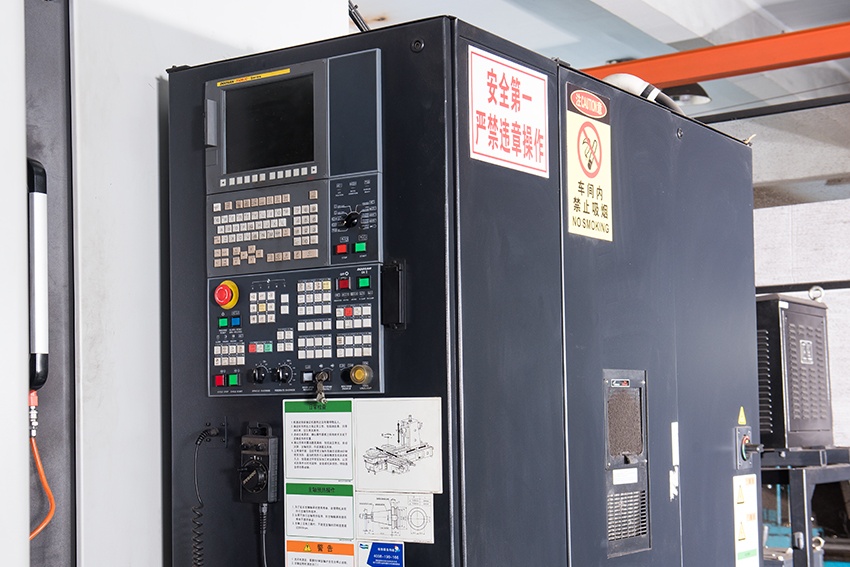
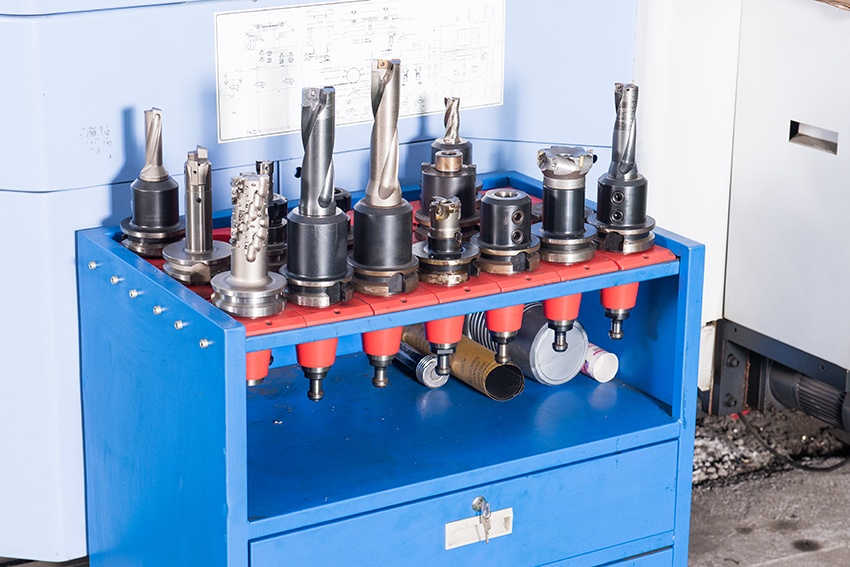
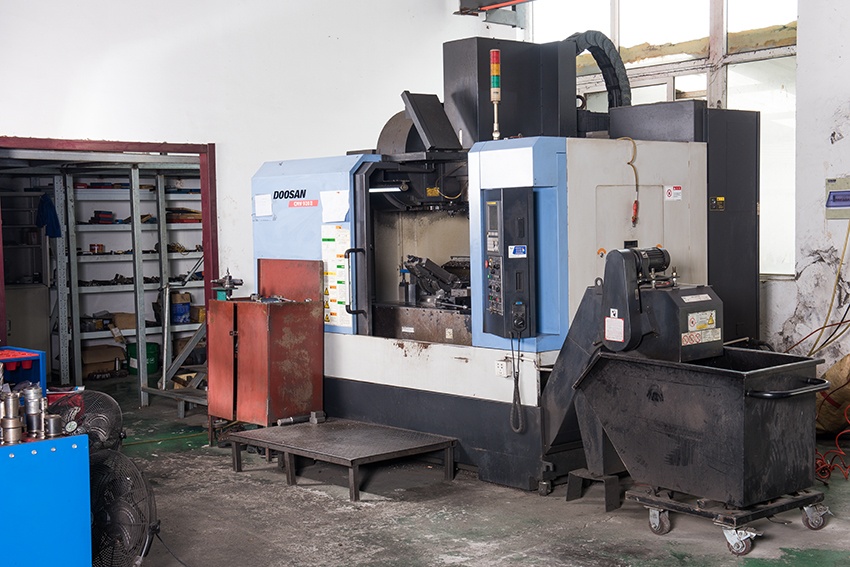
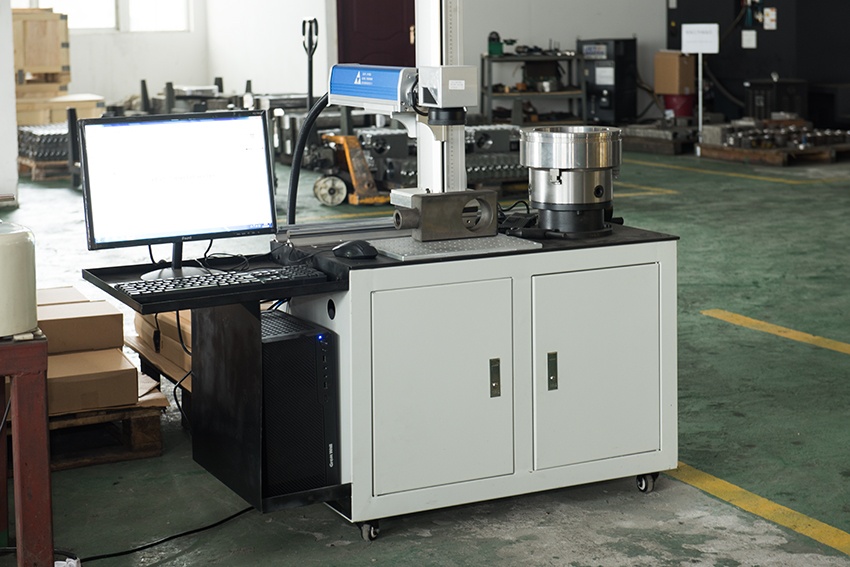
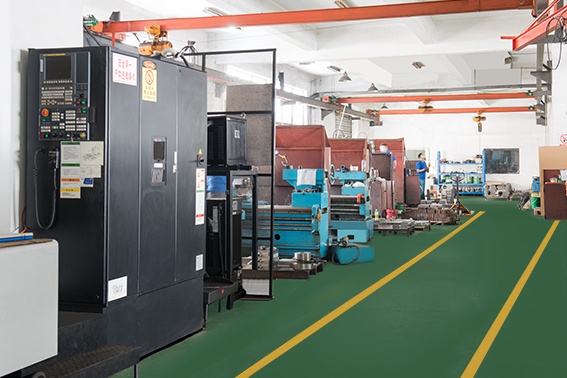
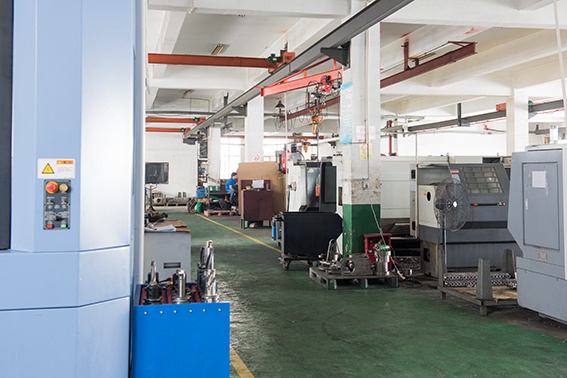
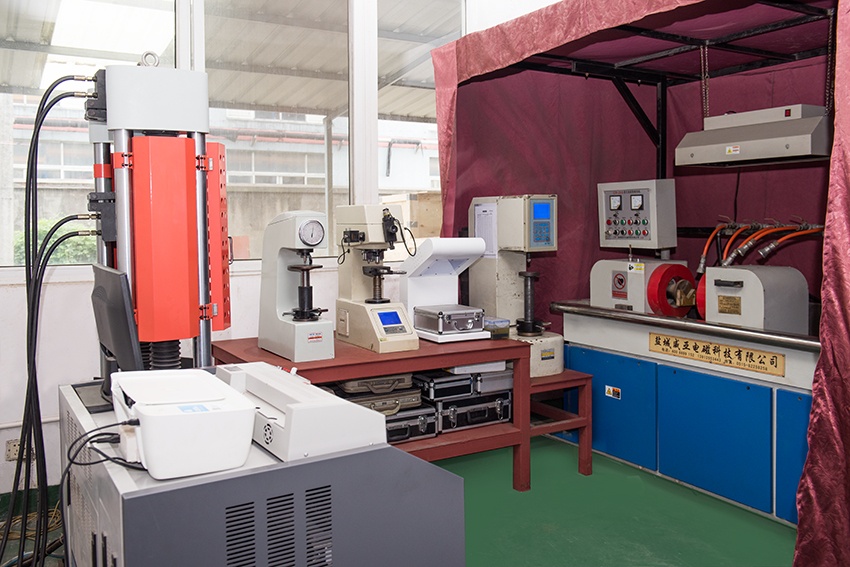
State-of-the-art manufacturing facilities ensuring precision machining and high-performance thermal spray coatings.
What global operators and field engineers say about our erosion-control valve components.
Browse our complete catalog of high-performance replacement parts engineered for severe oilfield services.