
Leave Your Message
-
Contact WhatsApp
-
 Contact Phone
-
 Contact Email
High-reliability replacement parts and critical trim components optimized for sour gas isolation, high-pressure fracturing, and Christmas tree flow control.
As global energy production pushes into ultra-deep reservoirs, pre-salt formations, and sour hydrocarbon fields, valve engineering must withstand unprecedented corrosive and mechanical stresses.
Hydrogen Sulfide (H₂S) in the presence of formation water generates nascent atomic hydrogen through electrochemical cathodic reactions. In high-strength steels, these microscopic hydrogen atoms diffuse rapidly into the crystal lattice, accumulating at microstructural defects and grain boundaries. Under tensile stress—whether from internal wellhead pressure or mechanical bolting loads—this mechanism triggers catastrophic Sulfide Stress Cracking (SSC), Hydrogen-Induced Cracking (HIC), and Stress Corrosion Cracking (SCC). Standard API 6A valves quickly fail under these conditions, demanding rigorous compliance with NACE MR0175 / ISO 15156 metallurgy, precisely controlled hardness thresholds (typically ≤ 22 HRC), and specialized nickel-based superalloy trims (Inconel 718, Incoloy 925, and Monel K-500).
Unlike conventional slab gate valves that rely primarily on upstream line pressure to energize the floating seat ring against the gate, API 6A split (expanding) gate valves utilize a two-piece mechanical wedge mechanism. As the valve stem reaches the full open or closed travel limit, the dual gate segments expand outward mechanically against the parallel seats. This produces an impenetrable, bubble-tight, bi-directional mechanical seal that functions independently of line differential pressure. In high H₂S extraction, this positive mechanical seating eliminates microscopic seat weeping, prevents toxic sour gas channeling, minimizes cavity pressure buildup, and prevents dangerous solid particulate intrusion into the seat pocket.
Applying Tungsten Carbide (WC-Co-Cr) coatings via advanced supersonic flame spraying delivers extreme bond strengths exceeding 10,000 PSI with microhardness above HV 1100, completely isolating base metals from abrasive sour slurries.
Tailored for high sour partial pressures, our components are crafted from forged alloy steels with full Inconel 625 weld cladding on all wetted surfaces, meeting API 6A material classes DD, EE, FF, and HH seamlessly.
Validated across stringent API 6A Appendix F PR2 testing protocols, undergoing hundreds of thermal and dynamic pressure cycles between -29°C to +177°C (-20°F to +350°F) under working pressures up to 15,000 PSI.
In today's era of convenient internet communication, trust is scarce. We have always stayed true to our original aspiration, crafting valve products with meticulous craftsmanship, and winning recognition from global buyers.
Founded in 2011 in a humble workshop in Suzhou, our core mission was to break the monopoly of foreign high-end valve plates and seats, so that buyers would no longer have to rely on overpriced imported products. Facing industry pain points such as seat seal leakage and high-sulfur corrosion in oilfield applications, we stayed rooted in frontline operations, braving high temperatures and pressures to repeatedly test materials and optimize sealing structures, successfully resolving leakage issues.
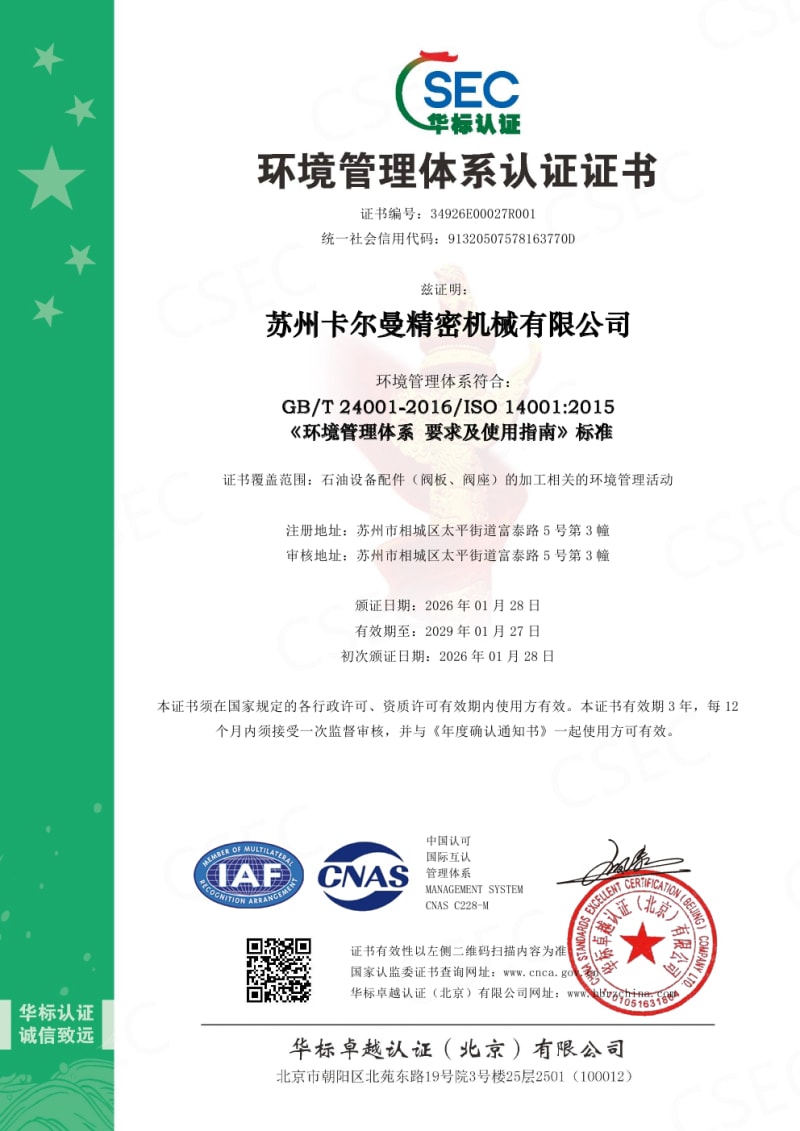
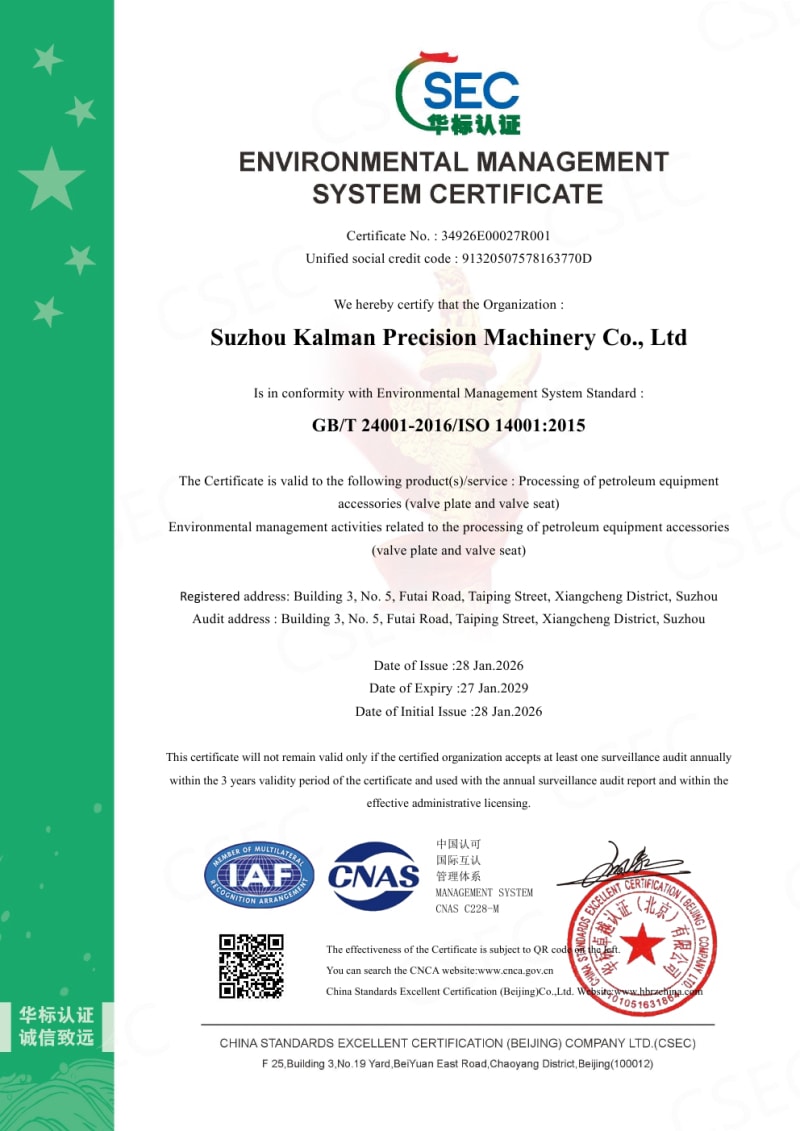
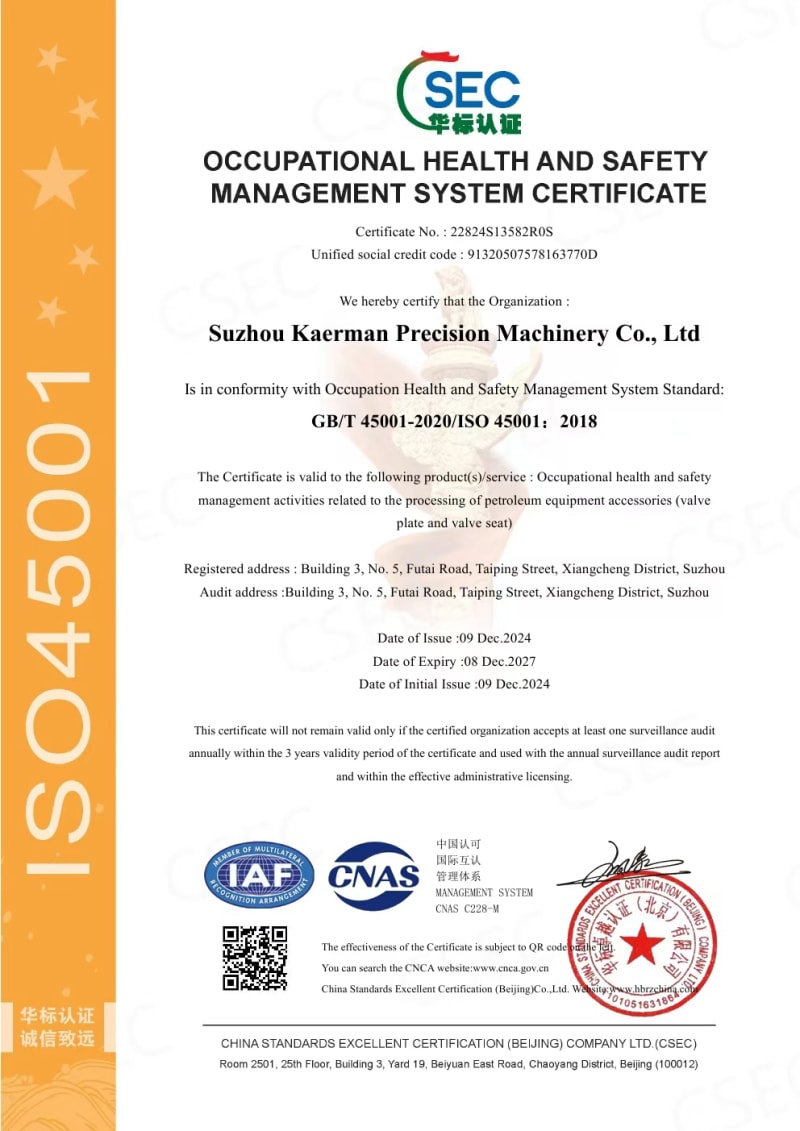
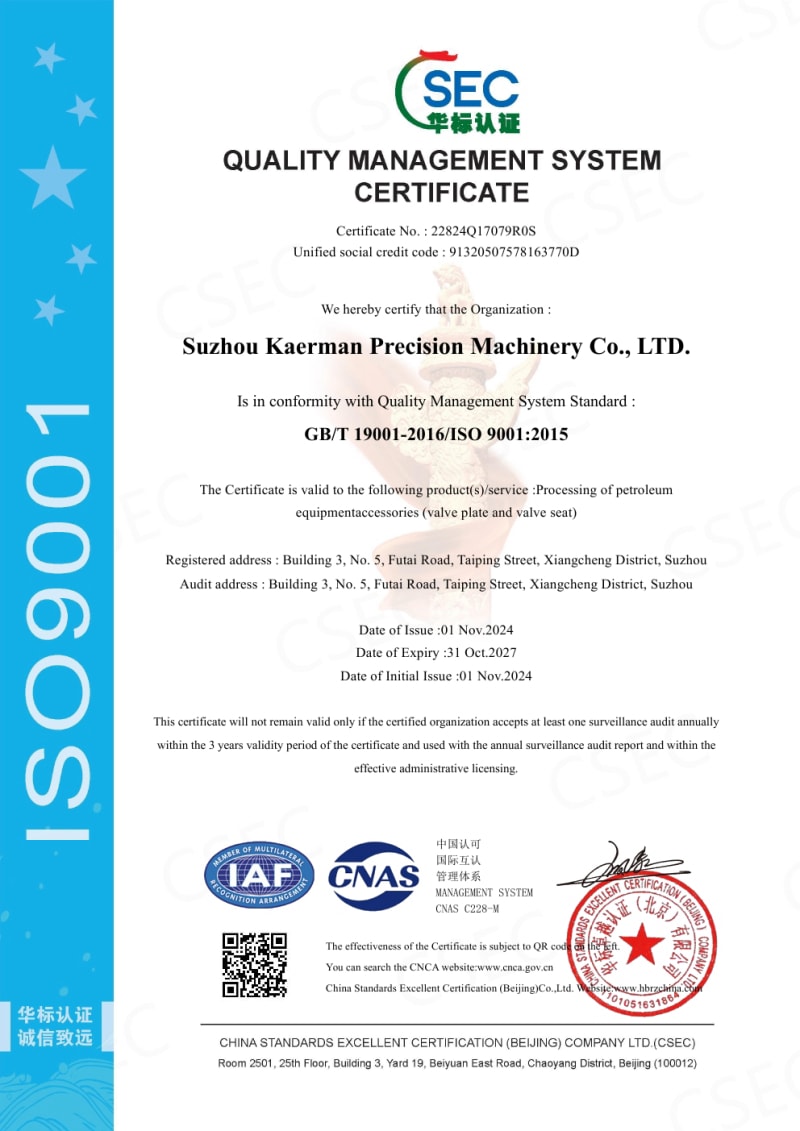
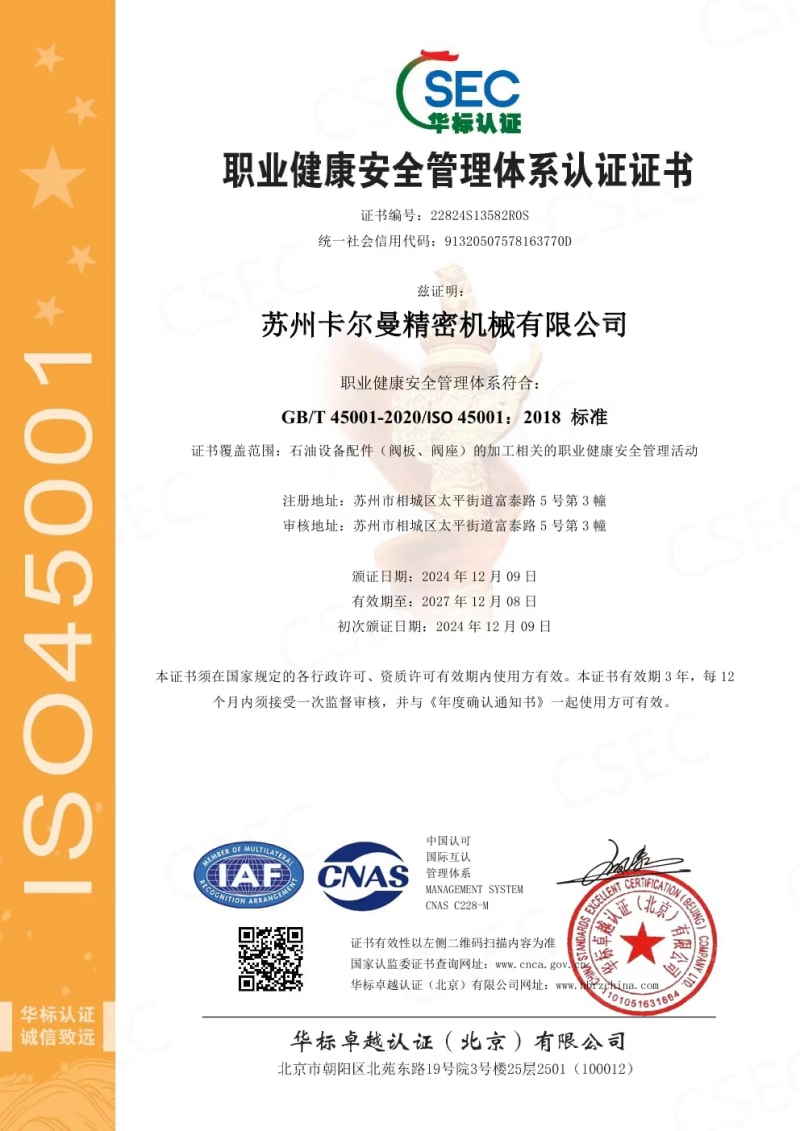
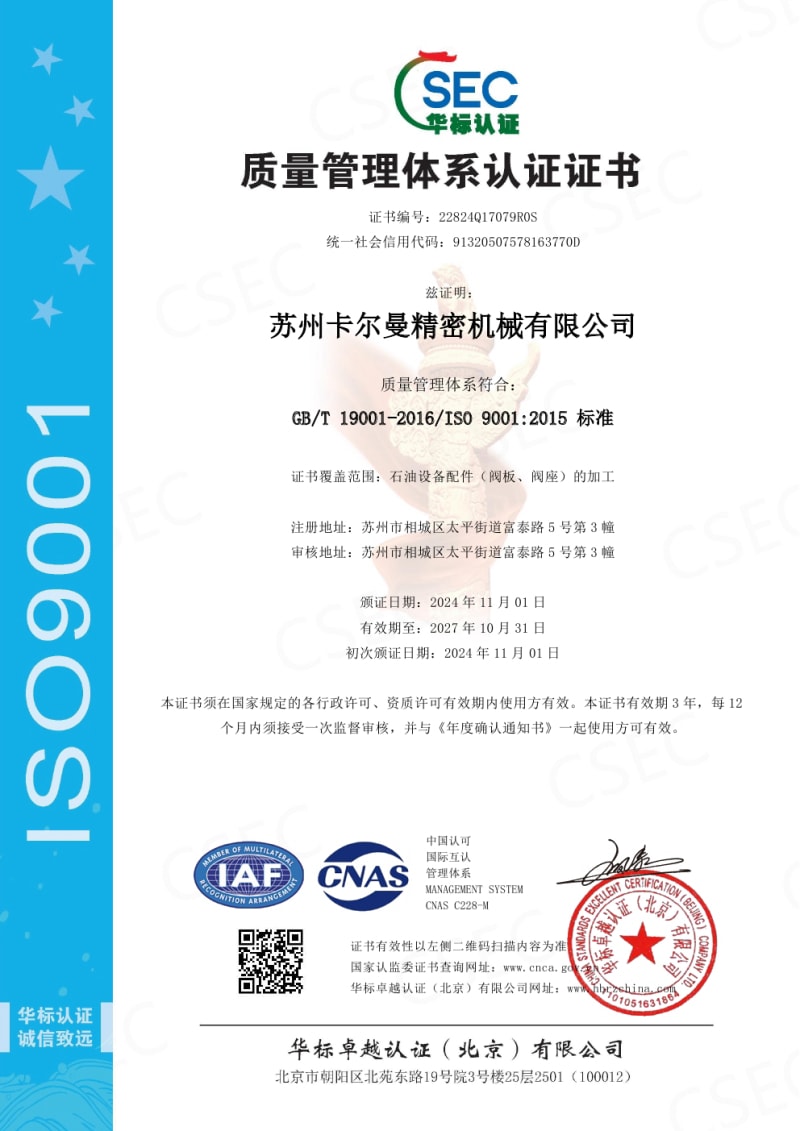
We are deeply committed to quality and have obtained API certification as well as the three management system certifications. From developing only valve plates and seats, we have grown into a partner capable of providing comprehensive solutions.
After 15 years of perseverance, we uphold our original aspiration with craftsmanship, and have become a trusted supplier of high-end valve accessories for global buyers through professionalism and sincerity.
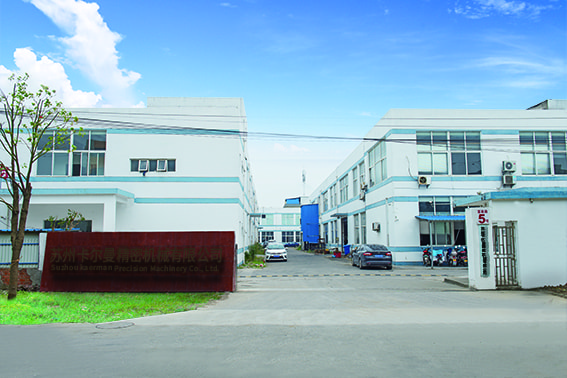
We are a team of seasoned engineers and technicians with years of hands-on experience in supersonic flame spraying for petroleum machinery. All core operators receive systematic professional training, bringing deep expertise in thermal spray technology and quality control.
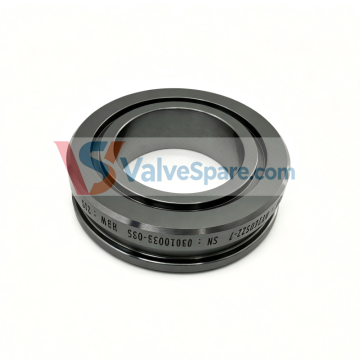
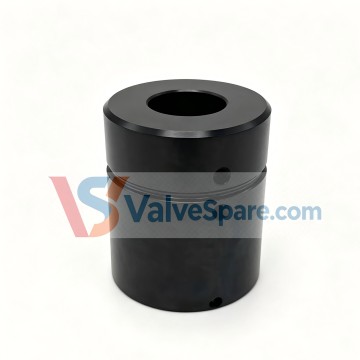
We specialize in manufacturing precision wear-resistant parts (including valve gates, wellhead components, and sealing parts) using advanced PRAXAIR TAFA JP8000 supersonic flame spraying equipment. We customize coating processes and parameters for different products to deliver exceptional performance under extreme working conditions.
We solve critical pain points for oil & gas operators worldwide:
Exploring operational challenges across the world's most demanding oil and gas extraction fields where high H₂S partial pressure requires split gate integrity.
In deep natural gas reservoirs such as the Sichuan Basin in China, the Kashagan Field in the Caspian Sea, and Middle Eastern sour carbonate fields, H₂S concentrations often reach 10% to 35% with CO₂ concentrations exceeding 15%. Split gate valves equipped with PRAXAIR JP-8000 thermal sprayed tungsten carbide coatings offer absolute mechanical zero-leakage, preventing catastrophic blowouts and resisting abrasive quartz sand wear during gas drawdown.
Enhanced Oil Recovery (EOR) projects utilizing acid gas reinjection compress high-purity supercritical H₂S and CO₂ mixtures up to 10,000–15,000 PSI. The thermodynamic phase changes of acid gas can cause rapid temperature drops (Joule-Thomson effect) combined with extreme corrosion. API 6A expanding split gate designs provide dependable bi-directional mechanical seals that will not bind or gall despite thermal shock.
Multi-stage hydraulic fracturing in unconventional sour shale plays forces abrasive ceramic proppants at slurry velocities exceeding 50 ft/s through wellheads. The gate guide, stem adapter, body bushings, and expanding split gates must withstand both severe mechanical erosion and sour acid fluids. Our proprietary HVOF coating parameters provide Rockwell surface hardness exceeding HRC 68 to guard against erosion.
All products are strictly engineered and certified in accordance with API Spec 6A, API Spec Q1, ISO 9001, ISO 14001, and ISO 45001 international standards.
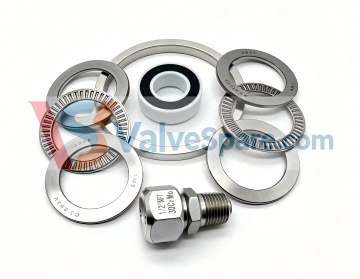
Standardized inventory and custom-machined replacement parts for Type FC, FLS, and FLS-R style manual and hydraulic split gate valves.