
Leave Your Message
-
Contact WhatsApp
-
 Contact Phone
-
 Contact Email
In downstream refining and petrochemical processing, valves act as the critical line of defense for flow isolation and system safety. The API 6A specification, traditionally associated with upstream wellhead and Christmas tree equipment, has increasingly found integration into critical downstream high-wear valve servicing. This shift is driven by the rise of heavy crude processing, high-pressure hydrocracking, and abrasive catalyst-carrying lines where standard valves fail prematurely.
Today's refinery plants operate under unprecedented thermal and mechanical stress. The processing of sour crudes, rich in hydrogen sulfide (H2S) and carbon dioxide (CO2), subjects internal valve components to severe sulfide stress cracking (SSC) and hydrogen induced cracking (HIC). The API 6A valve gate wedge represents the mechanical heart of isolation valves in these high-wear zones.
When a gate valve cycles, the wedge or slab gate must slide against the valve seats under full differential pressure. In refinery processes like Fluid Catalytic Cracking (FCC) or Delayed Coking, this sliding action takes place in the presence of highly abrasive catalyst fines or coke particles. Without specialized surface treatments and metallurgy, the gate wedge experiences rapid galling, micro-scratching, and eventual structural failure, leading to catastrophic internal bypass leaks.
Refinery operators cannot afford unscheduled shutdowns. A single day of downtime in a medium-sized petrochemical refinery can translate to millions of dollars in lost production. Upgrading to API 6A-grade gate wedges with advanced HVOF cladding ensures extended run times and predictable maintenance cycles.
Engineered to resist particulate erosion in catalyst lines and coking processes through micro-structural hardness.
Maintains dimensional stability and sealing efficiency across extreme thermal cycling from cryogenic to over 450°C.
Achieves tight gas sealing up to 140MPa, reducing fugitive emissions in compliance with modern environmental mandates.
To understand the necessity of API 6A-grade gate wedges, one must analyze the specific high-wear environments inside modern petrochemical complexes. Standard isolation valves are simply not designed to handle the chemical kinetics and mechanical degradation found in downstream units.
Hydrocrackers operate under severe high-pressure hydrogen service (often exceeding 15 MPa) and temperatures up to 430°C. In these environments, hydrogen atoms can diffuse into the metal lattice of the valve gate wedge, causing hydrogen embrittlement. Furthermore, high-velocity hydrocarbon streams containing dissolved hydrogen sulfide gas cause rapid corrosion-erosion. The API 6A gate wedge, featuring base metals like Inconel 718 or duplex stainless steels cladded with Tungsten Carbide (WC-Co-Cr), provides a barrier that prevents hydrogen diffusion while maintaining high surface hardness.
The delayed coking process is arguably the most abrasive environment in a refinery. Heavy residue is heated to thermal cracking temperatures, producing solid petroleum coke. The isolation valves controlling the flow of coke slurry and water-cutting lines must cycle through solid coke deposits. Standard gate wedges suffer from severe scouring and gouging. API 6A slab gate plates and wedges utilized in coker isolation undergo specialized thermal spraying to achieve a mirror finish (Ra
FCC units use fine catalyst particles (silica-alumina) to crack heavy gas oils into lighter products. These catalyst particles behave like fluid sand, moving at high velocities. Valves located in the catalyst slurry lines are subjected to continuous particulate erosion. The valve gate wedge must maintain its flat sealing profile despite this continuous sandblasting effect. Utilizing API 6A gate wedges with a hardness up to HV1500 ensures that the erosion rate is minimized, extending the valve's operational life from months to years.
Our core competitive advantage lies in industry-leading coating technology and strict quality control:
The performance of an API 6A valve gate wedge under high-wear refinery servicing is determined by its surface metallurgy. Raw alloy steel, even when heat-treated, lacks the combined hardness and corrosion resistance required for petrochemical environments. To bridge this gap, advanced surface modification technologies are applied.
High-Velocity Oxygen Fuel (HVOF) thermal spraying is the industry standard for applying tungsten carbide coatings. In the HVOF process, fuel and oxygen are combusted continuously, and powder coating particles are injected into the gas stream, accelerating them to supersonic velocities. Upon impact with the gate wedge substrate, these particles form an incredibly dense, low-porosity coating.
Our coatings boast a porosity of less than 1% and a bond strength exceeding 75MPa. This prevents high-pressure process gases from penetrating the coating layer, which could otherwise cause delamination or sub-surface corrosion. The resulting surface hardness of up to HV1500 provides a shield against both sliding wear (galling) and abrasive wear (erosion).
Tungsten Carbide (WC-Co-Cr): Best for high-velocity particulate erosion and sliding wear in temperature ranges up to 400°C.
Chromium Carbide (Cr3C2-NiCr): Ideal for high-temperature oxidation and wear resistance up to 850°C, common in FCCU regenerator lines.
Stellite 6 (Cobalt-based alloy): Provides excellent resistance to cavitation, galling, and chemical corrosion in corrosive chemical services.
To be the most trusted long-term partner for our global customers. We envision a future where our advanced coating technologies eliminate downtime and maintenance costs for oilfield equipment. By mastering precision manufacturing, we strive to empower our clients to overcome the challenges of high pressure, corrosion, and severe wear.
To become the world's leading supplier of high-performance wear-resistant solutions for the oil & gas industry. We aim to set the global standard for thermal spray technology, enabling our customers to achieve higher efficiency, longer service life, and safer operations in extreme downhole environments.
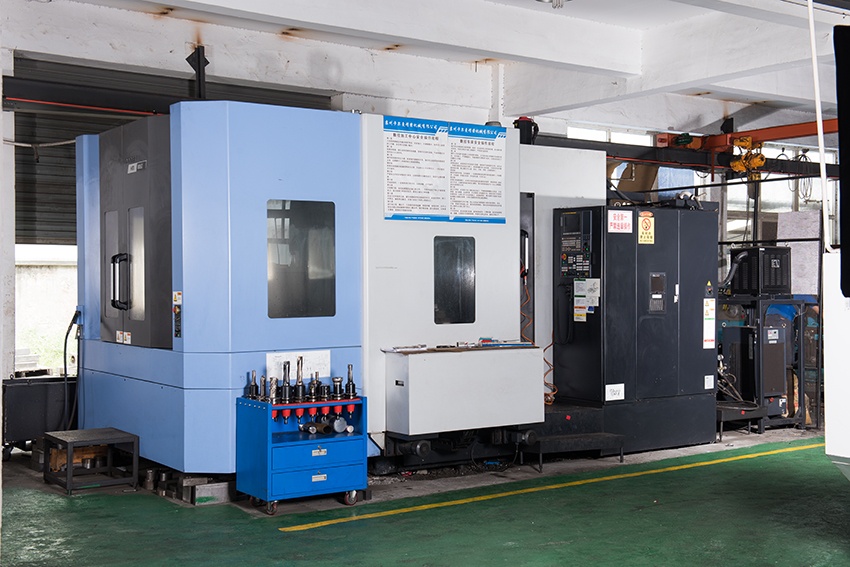
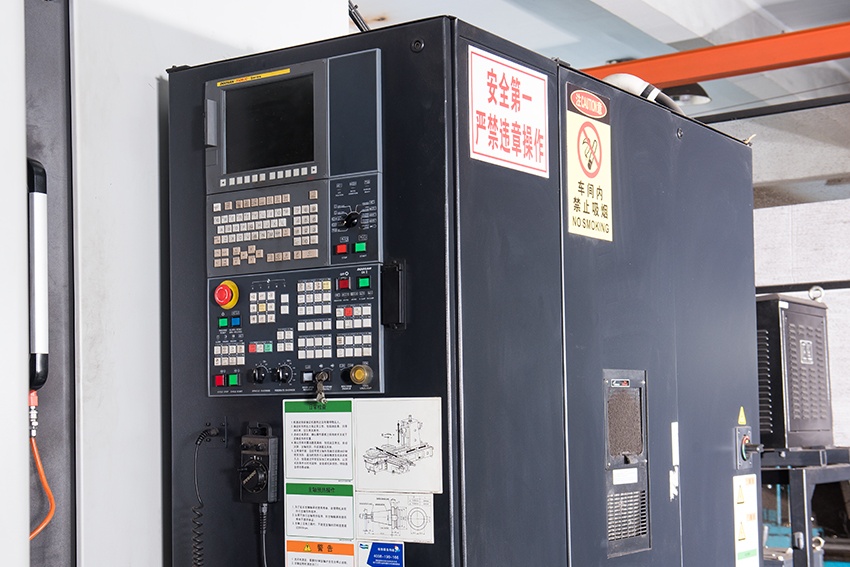
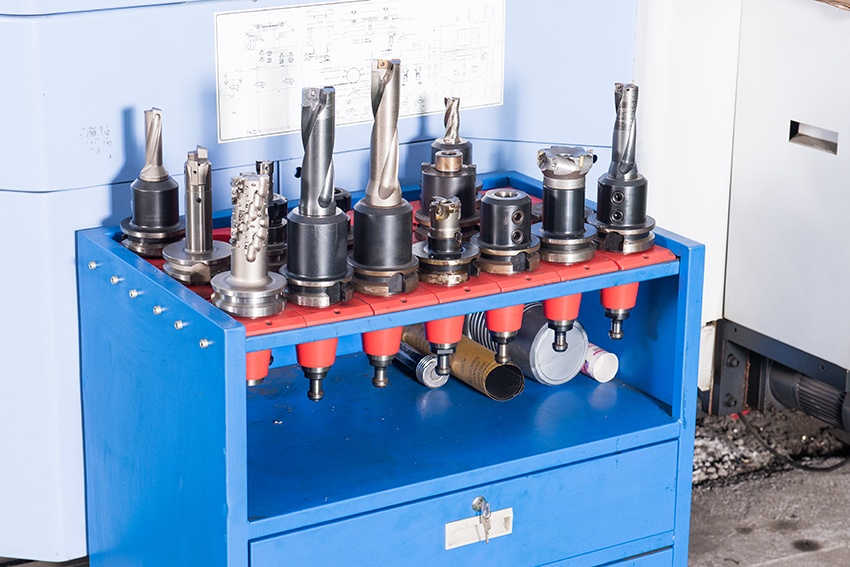
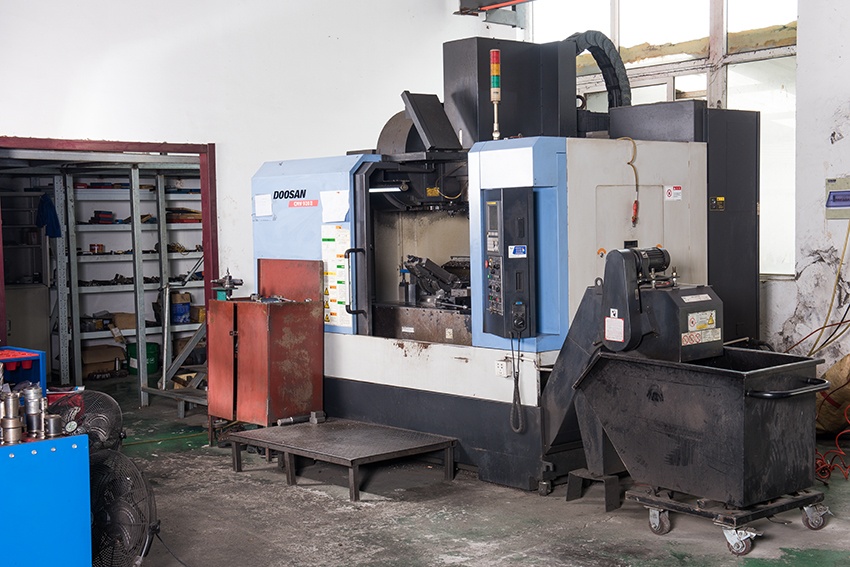
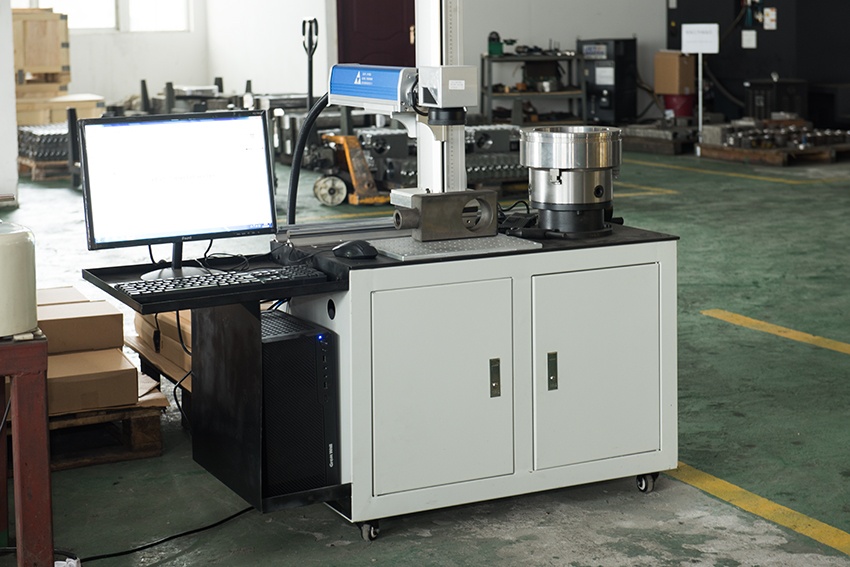
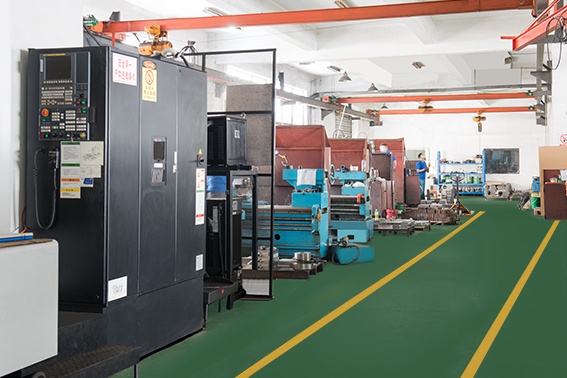
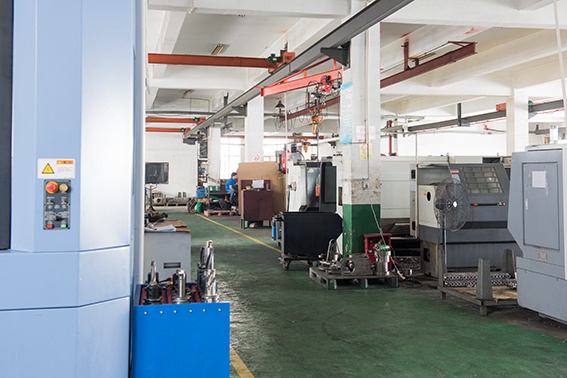
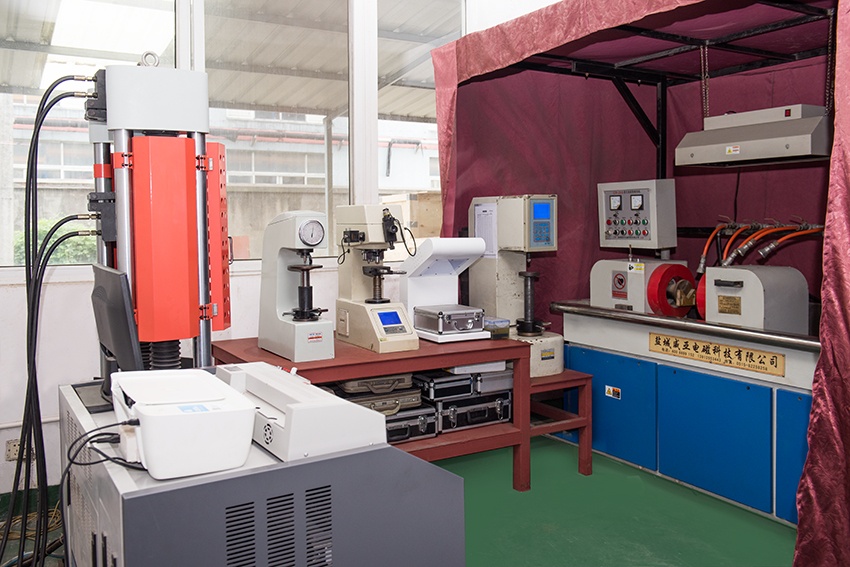
Equipped with state-of-the-art thermal spraying, precision machining, and non-destructive testing facilities to guarantee API 6A compliance.
As the petrochemical industry moves toward lower emission targets and higher operating efficiencies, valve technology must evolve in tandem. Several key trends are reshaping how API 6A valve gate wedges are designed, serviced, and maintained:
Refineries are under strict regulatory pressure to eliminate volatile organic compound (VOC) leaks. While stem packing plays a major role, the alignment, flatness, and surface finish of the gate wedge directly impact the operational torque and seal wear. By producing wedges with a consistent mirror finish (Ra < 0.1), friction is minimized, reducing wear on the surrounding seals and ensuring compliance with fugitive emission standards over thousands of cycles.
The integration of IoT sensors in refinery piping networks allows operators to monitor valve torque and acoustic signatures. Variations in torque often point to wear or galling on the gate wedge. Future developments include smart thermal barrier coatings that can signal wear levels before a leak occurs, allowing maintenance teams to schedule servicing during planned turnarounds rather than reacting to emergency shutdowns.
Laser Cladding is emerging as a precise alternative to traditional HVOF spraying. By using a high-energy laser beam to melt alloy powder onto the gate wedge substrate, metallurgical bonding is achieved with minimal dilution of the base material. This results in a coating layer with superior impact resistance and thermal shock properties, ideal for high-pressure hydrocracker isolation valves.