Leave Your Message
0%

When you're sourcing an API 6A Valve Stem in 2026, a long supplier list alone won't cut it. You need proof that the part will perform safely and consistently out in the field. A supplier you can trust should really understand API 6A requirements—pressure classes, material selection, connection compatibility, all of it. Even tiny dimensional errors can mess with sealing, installation, and maintenance down the line. Look, that’s not a small thing. This guide looks at some of the top API 6A valve stem suppliers, but from a practical buyer’s point of view. We’re talking manufacturing experience, quality systems, inspection methods, traceability, and technical support. And yes, buyers should go through the material certs, heat-treatment records, dimensional reports, and pressure-test docs. Delivery matters too. Even a supplier with strong technical chops can cause headaches if replacement stems show up late.

Take a closer look.

The best suppliers? They usually spell out their process pretty clearly. They'll name the alloys, surface treatments, tolerances, and inspection points—no vague promises. And their teams should actually respond accurately to your drawings and application conditions, not just hand-wave. Once you've dealt with harsh environments, you start noticing things standard catalogs tend to miss: corrosion, galling, repeated cycling... stuff like that.

Look, no supplier ranking is ever perfect. Product ranges shift, factories upgrade their equipment, and public info? It can go stale faster than you'd think. So before you place an order, buyers really should check the current certifications and test records. Taking the time to compare things carefully can cut down technical risk and help valves stay reliable over the long haul. It can also shine a light on some shaky assumptions in your first purchasing plan. And honestly, that kind of reflection is worth having—especially when cost pressure makes shortcuts look way more tempting than they should.
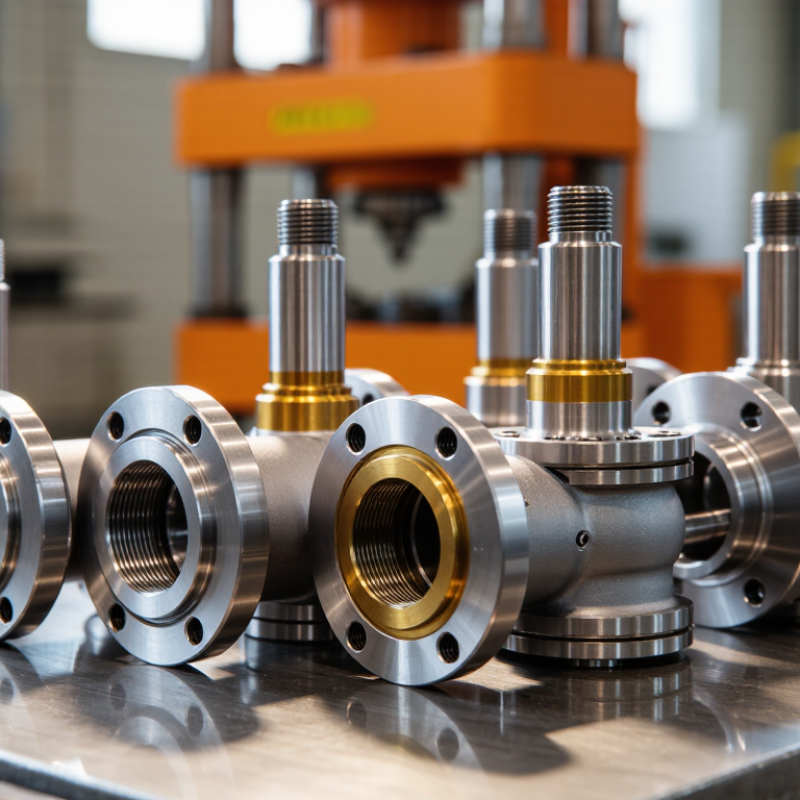
2026 Top API 6A Valve Stem Suppliers What Buyers Need?

What an API 6A Valve Stem Is and Where It Is Used

An API 6A valve stem is the moving shaft that opens or closes a pressure-control valve. It transfers handwheel, hydraulic, or actuator force to the valve closure element. The stem works inside a severe pressure boundary. It must resist pressure, vibration, corrosion, and repeated movement. Proper surface finish matters. Small scratches can damage sealing performance.

These stems are commonly used in wellheads, Christmas trees, drilling systems, and production flowlines. They control fluids during well testing, pressure management, and maintenance operations. Field technicians often inspect the stem before installation. They check straightness, thread condition, coating quality, and contact surfaces. A compatible Api 6a Valve Stem Seal Kit can help restore sealing around the moving shaft. The kit may include packing, seals, backup rings, and installation components.

Material selection depends on pressure class, temperature, fluid chemistry, and service frequency. Stainless alloys may support corrosive environments, while hardened surfaces can reduce wear. However, material names alone do not prove suitability. Traceable inspection records and documented pressure testing are more reliable. Fit is critical. A seal that looks correct may still fail under movement or heat. In practice, rushed cleaning causes avoidable problems. Some suppliers also overlook storage conditions, which can age elastomers before use. Buyers should question unclear tolerances, incomplete test data, and vague replacement guidance. Field conditions are rarely perfect.

Which API 6A Standards and Specifications Buyers Should Check

When evaluating API 6A valve stem suppliers for 2026, buyers should verify the exact specification edition. API Spec 6A defines working pressure, bore size, temperature rating, material class, product specification level, and performance requirement. Check PSL 2, PSL 3, or PSL 4 carefully. PR1 is not equivalent to PR2. PR2 demands additional functional testing under temperature conditions.

Material class also matters. Carbon steel may suit standard service, while sour environments require compliance with NACE MR0175/ISO 15156. Confirm hardness limits, heat treatment, chemical analysis, and complete material traceability. For a 5,000 psi valve, the pressure rating must appear consistently on drawings, nameplates, test records, and certificates. Small mismatches create large risks.

Demand forecasts make disciplined specifications more important. The IEA Oil 2024 report projects global oil demand to increase by 3.2 million barrels per day between 2023 and 2030. The OPEC World Oil Outlook 2024 forecasts demand reaching 112.3 million barrels per day by 2035. Their assumptions differ. Procurement teams should notice that. A supplier’s dossier should include hydrostatic shell testing, seat testing, nondestructive examination, calibration records, and manufacturing traceability. In field reviews, a clean certificate package can still hide unclear revision control. Buyers should question missing test temperatures, vague elastomer data, and incomplete stem coating details. No file is perfect. That is precisely why independent inspection and witnessed testing remain valuable.

2026 Top API 6A Valve Stem Suppliers: What Buyers Need? — Which API 6A Standards and Specifications Buyers Should Check
Buyer Evaluation Dimension API 6A Requirement or Reference Technical Data Buyers Should Check Evidence to Request from the Supplier Buyer Decision Guidance
Applicable product scope API Specification 6A for wellhead and Christmas tree equipment Confirm that the valve stem is designed for the specific API 6A gate valve, slab gate valve, expanding gate valve, or other equipment configuration. Product datasheet, dimensional drawing, equipment compatibility statement, and applicable API 6A edition identified on the quotation. Do not approve a stem solely because its diameter and thread appear similar.
API 6A compliance API 6A product and manufacturing requirements Check whether the supplied component is covered by the supplier’s API 6A quality system and whether the finished assembly remains compliant after installation. Valid API Monogram license where applicable, quality manual, conformity statement, and controlled manufacturing procedures. Verify the license scope and product category directly in the official API directory.
Pressure rating API 6A nominal working pressure classes 2,000 psi 3,000 psi 5,000 psi 10,000 psi 15,000 psi 20,000 psi Pressure-rating designation, pressure-boundary calculation, hydrostatic test records, and matching valve assembly documentation. Select the rating equal to or higher than the wellhead or tree design requirement; do not use working pressure as a substitute for test pressure.
Product specification level API 6A PSL requirements PSL 1 PSL 2 PSL 3 PSL 4 Inspection and test plan, material traceability records, NDE reports, heat-treatment records, and PSL-specific documentation. Use the PSL stated in the project specification; PSL 4 generally requires the most extensive inspection and documentation.
Performance requirement API 6A PR performance requirement PR1 PR2 Performance qualification records, pressure-cycle results, functional test records, and acceptance criteria used for the valve assembly. PR2 should be selected when the procurement specification requires extended performance verification.
Material class API 6A material-class designations AA BB CC DD EE FF HH Material certificate, chemical composition, mechanical properties, heat number, hardness results, and sour-service suitability where required. Match the material class to the production fluid, corrosion environment, temperature, and project sour-service requirements.
Sour-service suitability Project sour-service specification and applicable NACE requirements Check resistance to sulfide stress cracking, hydrogen-induced cracking, corrosion, and elastomer compatibility when H2S or other corrosive media are present. NACE compliance statement, hardness survey, heat-treatment records, SSC/HIC test reports where specified, and material selection basis. API 6A material class alone should not be treated as a complete sour-service qualification.
Temperature rating API 6A temperature-class designation Common API 6A temperature classes include K, L, P, R, S, T, U, and V, with the applicable temperature range defined by the selected class. Temperature-class marking, material and seal qualification records, low-temperature impact results where required, and operating-temperature limits. Confirm both minimum and maximum operating temperatures, including start-up, shutdown, and well-kill conditions.
Stem material Material must be compatible with the valve body, gate, bonnet, seals, pressure, temperature, and service fluid Verify base material, corrosion-resistant alloy or coating, hardness, tensile strength, yield strength, elongation, and heat-treatment condition. EN 10204 3.1 or equivalent material certificate, heat-treatment chart, hardness map, and coating or plating certificate if applicable. Prioritize full heat-number traceability from raw material through final inspection.
Stem geometry Controlled dimensions for the specific valve design Stem diameter, overall length, thread form, thread pitch, shoulder dimensions, keyway or drive profile, sealing land, and bonnet interface. Approved drawing with revision number, dimensional inspection report, thread-gauge records, and interchangeability confirmation. A non-matching shoulder, thread, or sealing land can cause leakage or prevent correct gate positioning.
Connection and interface Compatibility with the original API 6A valve assembly Confirm bonnet connection, stem nut, handwheel or actuator interface, backseat arrangement, gate interface, and stem-extension requirements. Assembly drawing, interface control document, fit-up report, and documented compatibility review. Require a complete interface check before approving an aftermarket replacement.
Sealing arrangement Valve sealing system must suit the design and service conditions Stem-seal type, packing material, secondary seal, backseat seal, pressure-assisted seal behavior, temperature limit, and chemical compatibility. Seal-material datasheets, compound identification, seal qualification records, leakage-test results, and installation instructions. Check seal compatibility with crude oil, gas, completion fluids, methanol, H2S, CO2, and cleaning chemicals as applicable.
NDE and inspection Inspection level defined by the selected PSL and procurement specification Typical controls may include visual inspection, dimensional inspection, liquid penetrant testing, magnetic particle testing, ultrasonic testing, or radiographic testing as specified. Signed inspection and test plan, NDE procedures, personnel qualifications, NDE reports, calibration certificates, and nonconformance records. Inspection extent must be stated before production, not negotiated after delivery.
Pressure and functional testing API 6A test requirements for the applicable valve assembly Body test, seat test, stem-seal test, low-pressure and high-pressure tests where required, operating-torque measurement, and cycle testing. Pressure-test chart, calibrated-gauge certificates, test medium, hold time, test pressure, leakage result, and functional-test report. Confirm that the replacement stem has been tested in the intended assembly or that an approved qualification basis exists.
Manufacturing traceability Traceability should support the selected PSL, project specification, and quality plan Link purchase order, raw-material heat number, forging or bar number, machining route, heat treatment, NDE, coating, final inspection, and packing records. Manufacturing record book, serial-number register, traveler, material certificates, inspection reports, and certificate of conformity. Reject records containing mismatched heat numbers, revisions, serial numbers, or test dates.
Dimensional interchangeability Replacement part must maintain the original valve’s operating function Check gate travel, fully open and fully closed position, stem protrusion, handwheel turns, actuator travel, torque, and bonnet clearances. Fit-up inspection, operating test, torque report, and signed dimensional comparison against the approved reference drawing. Do not rely on visual similarity or nominal size alone.
Surface protection Surface finish and protection must be suitable for sealing and service conditions Check sealing-surface roughness, corrosion-resistant coating or plating, coating thickness, adhesion, defects, and storage protection. Surface-finish report, coating certificate, thickness readings, visual inspection report, and preservation procedure. Protect threads and sealing surfaces from impact, contamination, and galvanic corrosion during shipment.
Supplier quality capability Quality management and controlled special processes Evaluate machining, heat treatment, NDE, coating, calibration, subcontractor control, nonconformance handling, and corrective-action processes. ISO 9001 certificate, approved-vendor list, process audit report, special-process approvals, calibration system, and sample quality records. Prefer suppliers able to provide complete records rather than only a certificate of conformity.
Delivery and lifecycle support Procurement requirements should cover delivery, storage, installation, and replacement support Lead time, minimum order quantity, spare-part availability, shelf-life controls, installation instructions, emergency support, and warranty period. Commercial quotation, delivery schedule, warranty terms, packing specification, storage instructions, and recommended spare-parts list. Compare total cost of ownership, not only unit purchase price.
Final procurement checklist All technical and documentary requirements must be aligned before purchase order release API 6A edition, pressure class, PSL, PR, material class, temperature class, sour-service requirement, valve model, drawing revision, inspection level, and documentation package. Approved technical bid evaluation, signed datasheet, approved drawing, inspection and test plan, purchase order, and manufacturing record book index. Release the order only after every mandatory field is marked “Compliant,” “Approved,” or formally clarified.
Buyer note: API 6A designations, pressure classes, PSL/PR levels, material classes, temperature classes, and test requirements must be verified against the latest applicable API publication, project specification, and local regulatory requirements before purchase.

How to Evaluate Materials, Design, and Manufacturing Quality

2026 Top API 6A Valve Stem Suppliers: What Buyers Need?

Material selection should begin with service conditions, not a supplier’s brochure. API Spec 6A defines working-pressure ratings from 2,000 to 20,000 psi. That range exposes weak assumptions quickly. Ask for the stem alloy, heat-treatment records, and hardness results. For sour service, ISO 15156 commonly limits carbon and low-alloy steel hardness to 22 HRC. Verify the actual reading, not only the certificate.

Design quality appears in small details. Inspect stem-to-seal geometry, pressure-balanced features, anti-extrusion support, and emergency sealing performance. ISO 10423 and API 6A also distinguish product specification levels and performance requirements. Higher PSL levels demand stronger traceability and testing. Still, higher paperwork does not guarantee better machining. I have seen clean documentation beside rough sealing surfaces. That deserves a second inspection.

Manufacturing evidence should include heat numbers, non-destructive examination, dimensional reports, and pressure-test charts. OREDA reliability data separates failures by mechanism, environment, and demand mode. Buyers should request comparable failure data for stems, seals, and actuators. Ask how many production lots support the quoted defect rate. One test is not a trend. Witness critical tests when possible. Measure surface finish at the sealing land, where microscopic marks can become leakage paths. Supplier audits should also examine calibration intervals, operator qualification, and change-control records. Small gaps remain possible. They should be visible, recorded, and corrected before shipment.

What Certifications and Testing Documents Suppliers Must Provide

2026 Top API 6A Valve Stem Suppliers: What Buyers Need?

What Certifications and Testing Documents Suppliers Must Provide

A credible API 6A valve stem supplier should provide more than a certificate folder. Ask for a valid API Spec 6A license, ISO 9001 certification, and documented compliance with ISO 10423. For sour-service applications, request material suitability evidence against NACE MR0175/ISO 15156. These documents should show the certified scope, expiry date, manufacturing site, and product category.

Demand complete traceability. Each valve stem should connect to its heat number, material test report, chemical analysis, mechanical results, and heat-treatment record. EN 10204 3.1 or 3.2 certification is useful when independent verification matters. Testing files should include dimensional inspection, hardness checks, surface examination, NDE results, hydrostatic testing, gas testing, and pressure-test charts. Calibration certificates must cover every gauge used.

Testing must match the required PSL and PR level.

The NACE IMPACT study estimated global corrosion costs at about 2.5 trillion dollars annually, equal to roughly 3.4% of global GDP. That figure explains why documentation is not administrative decoration. It supports failure prevention, yet paperwork alone cannot prove manufacturing quality. Buyers should compare test dates, serial numbers, acceptance criteria, and inspector signatures. Small inconsistencies deserve attention.

Tips: Request a sample document pack before purchase. Check whether reports show actual readings, not only “passed.” Ask for independent witness records when project risk is high. One practical warning: suppliers may provide correct certificates for similar products, not the exact valve stem ordered. Verify every page against the purchase order, drawing revision, and traceability code.

How to Compare the Top API 6A Valve Stem Suppliers in 2026

Comparing API 6A valve stem suppliers in 2026 requires more than checking price lists. Start with operating conditions. Review pressure class, temperature range, stem size, connection dimensions, and expected cycling frequency. A suitable Api 6a Anti‑Blowout Stem should match the valve design, not merely fit the catalog drawing. Small dimensional differences can create serious installation problems.

Ask each supplier for material certificates, heat-treatment records, inspection reports, and traceability from raw bar to finished stem. Experienced buyers should examine alloy selection, surface hardness, thread quality, and corrosion protection. Confirm whether critical dimensions are measured with calibrated equipment. Request sample test data, including pressure testing and functional cycling. Clear records matter. Vague paperwork is a warning sign.

Supplier comparison also depends on manufacturing discipline. Evaluate machining capability, non-destructive testing, quality controls, lead times, and technical support. Ask how the supplier handles nonconforming parts and design changes. A low quotation may hide weak documentation or inconsistent tolerances. Yet expensive pricing does not guarantee better performance. That deserves reflection. Compare several recent production records, not one impressive sample. Independent inspection can add confidence before shipment. Reliable suppliers communicate limitations instead of promising everything. In 2026, buyers should choose measurable consistency, responsive engineering, and verified compatibility over attractive claims.

Which Pricing, Lead Time, and Customization Factors Matter

For an Api6a Valve Stem, buyers should compare total ownership cost, not only the quoted unit price. The final figure may include testing, coating, documentation, packing, and export preparation. IEA’s World Energy Investment 2024 report estimated global energy investment at over $3 trillion. Upstream oil and gas investment represented about $570 billion. That spending supports demand, but it does not guarantee stable component prices. Alloy surcharges and machining capacity can change quickly.

Lead time needs written milestones. Ask about raw-material availability, forging completion, machining, pressure testing, and release documents. API Specification 6A and ISO 10423 define critical performance expectations, but they do not create identical production schedules. A supplier quoting four weeks may mean four weeks after material approval. That difference matters. Deloitte’s 2025 oil and gas outlook highlights continued cost discipline and supply-chain uncertainty. Buyers should request a realistic buffer, not a perfect promise.

Customization can improve fit, though it often increases inspection and engineering time. Confirm stem dimensions, metallurgy, temperature rating, seal arrangement, thread details, and traceability requirements. Require material certificates and test records before purchase. A lower-cost Api6a Valve Stem may become expensive after redesigns or rejected documentation. My practical concern is simple: many comparison sheets hide assumptions. Pricing is rarely apples to apples. A clear technical schedule is worth more than an attractive first quote.

How to Select a Reliable API 6A Valve Stem Supplier

Selecting a reliable API 6A valve stem supplier requires more than comparing prices. API Specification 6A and ISO 10423 define pressure, temperature, material, and testing expectations. A capable supplier should provide heat numbers, mill certificates, dimensional reports, and pressure-test records for every batch. Ask whether the Api6a Valve Stem Bushing has controlled hardness and verified surface finish. Small deviations can cause leakage, especially around packing areas.

Demand evidence from production, not attractive certificates alone. The supplier should explain material selection for sour-service conditions under NACE MR0175/ISO 15156. Confirm traceability from billet to finished stem. Review nonconformance records, calibration dates, and independent inspection arrangements. A factory that cannot show these details may still look professional. That is the uncomfortable part.

Market pressure also matters. The IEA Oil 2024 report projects global oil demand to reach 105.4 million barrels per day by 2030, increasing demand for dependable upstream equipment. However, higher demand can encourage rushed production. Check actual lead times, spare-part availability, and emergency communication procedures. Request sample inspection data before approving a purchase. Compare stem straightness, thread condition, coating thickness, and packing contact surfaces. One overlooked measurement can become a costly shutdown. Supplier selection is partly technical judgment and partly disciplined skepticism.

China Factory-Direct FC & FLS Gate Valve Bearing Caps: Insights from Grand View Research’s Industrial Valves Market Report

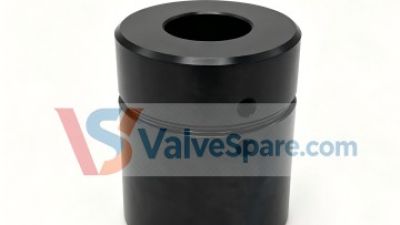
China factory-direct valve spare bearing caps are purpose-built for FC and FLS manual gate valves, supporting the growing demand for dependable components in the industrial valves market. As operators place greater emphasis on equipment uptime, pressure control, and maintenance efficiency, accurately matched replacement parts can help extend valve service life while reducing unnecessary replacement costs. These bearing caps are manufactured to align with the dimensional and functional requirements of compatible gate valve assemblies, allowing efficient installation during routine servicing or field repairs.

Produced from high-grade forged steel, the components provide strong structural integrity, excellent wear resistance, and reliable performance under demanding operating conditions. Their corrosion-resistant construction is suitable for high-pressure applications, extreme temperature changes, and brine-rich wellsite environments where ordinary materials may deteriorate rapidly. Designed in accordance with applicable API industry standards, these aftermarket spares offer consistent mechanical performance and stable load-bearing capability. With direct factory production, customers can obtain a practical supply solution featuring controlled manufacturing quality, dependable compatibility, and long-term support for industrial valve maintenance programs.

FAQS

Which API 6A details should buyers verify before ordering a valve stem?

Check the specification edition, working pressure, bore size, temperature rating, material class, PSL, and PR level.

What is the difference between PSL and PR requirements?

PSL defines product specification requirements. PR defines performance and testing requirements.

What material evidence is important for sour-service applications?

Request chemical analysis, hardness results, heat-treatment records, and traceability documents.

Which documents should a reliable supplier provide?

Request valid quality certifications, material test reports, dimensional reports, pressure records, and calibration certificates.

How can buyers confirm complete valve stem traceability?

Match each stem with its heat number, material report, chemical results, and heat-treatment record.

What testing records should be included in the supplier dossier?

Look for hardness checks, surface examination, nondestructive testing, hydrostatic testing, gas testing, and pressure charts.

Why are independent inspection and witnessed testing still useful?

Paperwork can contain unclear revisions, missing temperatures, or incomplete coating details.

What should buyers inspect on the finished valve stem?

Check straightness, thread condition, coating thickness, surface finish, and packing contact areas.

How should buyers evaluate supplier reliability beyond price?

Review actual lead times, spare-part availability, emergency communication, calibration history, and nonconformance records.

Conclusion

Choosing the right Api 6a Valve Stem supplier in 2026 requires more than comparing unit prices. Buyers should first understand the component’s role in wellhead and high-pressure oil and gas equipment, then confirm that the design complies with applicable API 6A requirements, pressure ratings, temperature classes, material grades, dimensional tolerances, and connection specifications. Careful evaluation should also cover forging quality, heat treatment, corrosion resistance, sealing performance, surface finish, and manufacturing traceability.

Reliable suppliers should provide complete documentation, including material certificates, dimensional inspection reports, pressure and functional test records, heat-treatment results, and applicable quality certifications. When comparing suppliers, consider proven production capability, inspection systems, customization support, minimum order quantities, lead times, packaging, and after-sales communication. A dependable supplier should offer clear quotations, stable quality, realistic delivery schedules, and technical assistance throughout the purchasing process. The best choice is the supplier that combines verified compliance, consistent manufacturing quality, transparent documentation, competitive total cost, and long-term service reliability.
Olivia

Olivia

Olivia is a dedicated marketing professional at a leading manufacturer specializing in high-performance wear-resistant components for the oil and gas industry. With a deep knowledge of the industry and a passion for innovation, she plays a crucial role in promoting the company’s cutting-edge......
Previous How to Choose API 6A Gate Valve Parts?