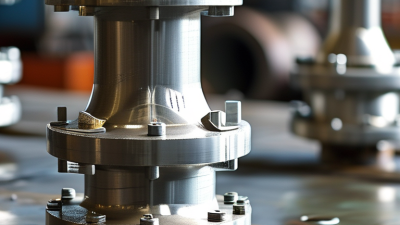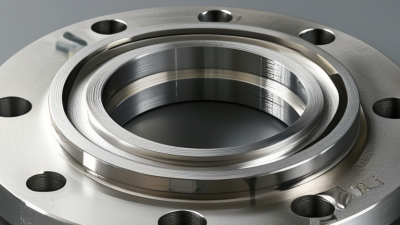
Picking the right Api6a Gate Valve Insert isn’t just about comparing prices in a catalog. If you’re buying globally, you’ve got to look at pressure ratings, connection sizes, seal designs, materials, and operating temperatures. Those things really do shape how the valve performs at the wellhead. And honestly? Small differences can matter a lot.
This guide walks through the top 10 API 6A gate valve insert types used in tough oil and gas applications. We’ll keep it practical—things like forged steel construction, corrosion resistance, elastomer compatibility, and how easy they are to replace. Buyers should also check API 6A certification, inspection records, heat-treatment data, and material traceability before placing an order. Good manufacturers can usually provide dimensional drawings, pressure-test reports, and clear quality-control paperwork. Having those records makes purchasing less stressful and maintenance planning easier.
From field experience, there’s no one insert design that fits every site. A premium material might be overkill for a mild environment, while a cheaper insert can fail early in sour or abrasive service. That trade-off is worth a careful look. This ranking can help, but it isn’t absolute. What you actually choose depends on pressure class, fluid chemistry, well conditions, and local maintenance habits. Some recommendations might need tweaking after an engineering review—and that’s normal. Before installation, buyers should confirm current specs with qualified engineers and approved suppliers. A careful choice can lower leakage risks, cut downtime, and improve long-term valve reliability.
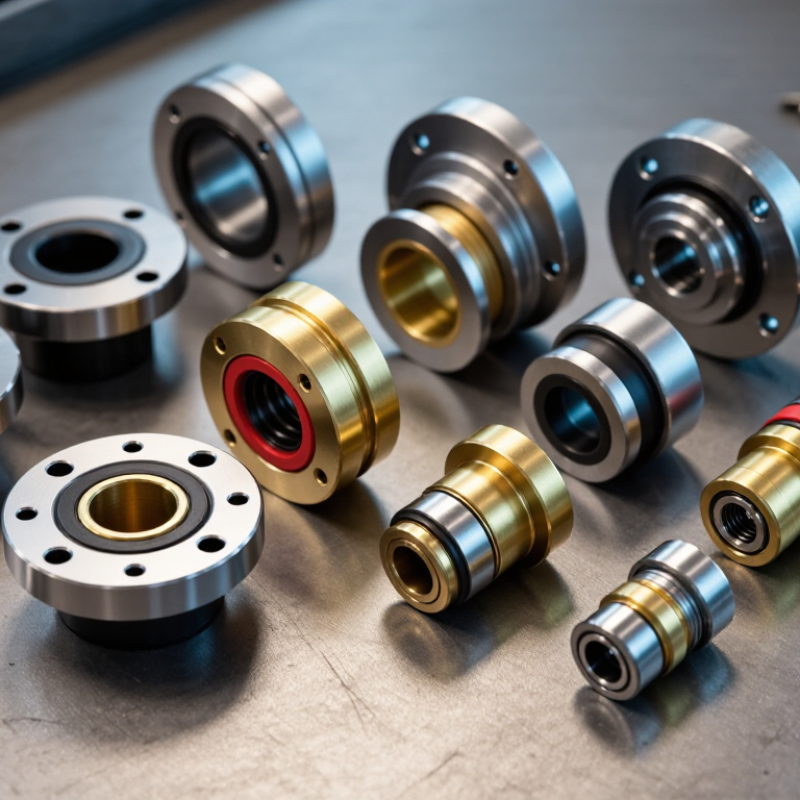
API 6A gate valve inserts control how the gate seals against the seat during pressure service. The insert supports sealing, reduces metal damage, and helps maintain predictable shutoff. In practice, the correct design depends on pressure class, temperature, fluid chemistry, and cycling frequency.
An Api6a Gate Valve Seat Insert may use metal, elastomer, polymer, or carbide-enhanced contact surfaces. Metal inserts tolerate heat and abrasive particles well. Soft inserts often improve low-pressure sealing, but they need careful temperature and chemical checks. Some designs use replaceable seat rings, while others machine the seat into the body. The gate, stem, bonnet, and seat must align accurately. Even a small scratch can create a leak path.
The operating principle is direct.
Stem movement drives the gate across the flow passage. As the gate reaches the closed position, pressure loads the sealing surfaces together. In some valves, upstream pressure energizes the seat and improves sealing. In others, mechanical expansion creates contact on both sides. During inspections, I check scoring, extrusion, trapped debris, and uneven wear near the seat bore. One assumption deserves correction: a harder insert is not always better. Excessive hardness can increase gate wear or reduce sealing conformity. Selection should follow API 6A requirements, documented material data, and verified service conditions. Field records are useful, but they are not a substitute for pressure testing.
API 6A does not define one universal insert material. It sets requirements for wellhead and tree equipment, including pressure, temperature, and performance verification. Buyers should treat these ten insert types as a practical sourcing taxonomy: metal-to-metal, elastomeric, PTFE, PEEK, nylon, stainless steel, nickel alloy, tungsten carbide, chromium carbide, and ceramic inserts. Each behaves differently under pressure, erosion, temperature, and chemical exposure. The correct choice depends on service data, not catalogue language.
Metal-to-metal inserts suit severe pressure and repeated cycling. Elastomeric inserts support sealing in cleaner, lower-temperature service. PTFE offers chemical resistance, while PEEK handles higher temperature and mechanical loading. Nylon can reduce cost, but swelling requires attention.
Stainless steel supports general corrosion resistance. Nickel alloy performs better in sour or aggressive environments when properly specified. Tungsten carbide and chromium carbide resist abrasive flow. Ceramic inserts offer strong wear resistance, yet impact sensitivity remains a concern.
The IEA Oil 2024 report projects global oil demand near 105.4 million barrels per day by 2030. That pressure encourages longer equipment life and faster maintenance. API 6A documentation, inspection records, and material traceability remain essential during selection.
Ask for hardness, temperature limits, seal compatibility, and tested pressure ratings. An Api6a Replaceable Gate Valve Insert can shorten field repairs, but interchangeability must be verified carefully. It is not automatic.
Some purchasing teams still compare only pressure class and bore size. That is a costly blind spot. Industry practice also changes, so each selection deserves technical review.
API 6A Gate Valve Insert Types for Global Buyers
Material choice controls sealing life, torque, corrosion resistance, and maintenance risk. API Spec 6A does not rank insert materials universally. It requires buyers to match design, pressure, temperature, and service conditions. The ten common options include 13Cr steel, 410 stainless steel, 17-4PH steel, 316L stainless steel, duplex 2205, super duplex 2507, nickel alloy 625 overlay, alloy 825, tungsten-carbide-coated steel, and reinforced PEEK. Each behaves differently under pressure.
13Cr and 410 stainless steel suit many standard oilfield services. They offer hardness and reasonable wear resistance. However, sour fluids can expose their limits. ISO 15156 requires controlled material selection for hydrogen sulfide environments. Duplex grades improve chloride resistance, especially where brine reaches the seat area. Super duplex costs more, but it usually preserves strength in harsher conditions. Nickel alloy 625 offers strong corrosion protection, although its purchase cost is substantial. Tungsten carbide resists abrasive particles. It can also increase contact stress.
Polymer inserts reduce friction and may seal well during frequent cycling. PEEK handles heat better than many conventional elastomers, but clearance changes still matter. Temperature changes matter. Field engineers should check thermal expansion, hardness, fluid chemistry, and pressure cycling together. The NACE IMPACT study estimated global corrosion costs at US$2.5 trillion annually, equal to about 3.4% of global GDP. That figure shows why cheap material choices can become expensive. Still, a polished selection table can miss real contamination, installation damage, or poor surface finish. I would not call any material ranking universal.
Typical material-level comparison of temperature capability and relative wear resistance
Top 10 API 6A Gate Valve Insert Types for Global Buyers
Pressure class directly influences insert design, body loading, and sealing reliability. API 6A gate valves commonly serve 2,000 to 20,000 psi applications. Higher ratings demand stronger seat retention and tighter manufacturing control. A soft insert may suit moderate pressure and clean fluids. Metal-to-metal inserts usually handle severe pressure and abrasive service better. They can leak if installation surfaces are damaged.
Temperature ratings deserve equal attention. Standard and low-temperature services can require different elastomer compounds, clearances, and material tests. At elevated temperatures, seal swelling or hardening may reduce closing performance. In cold environments, a resilient seat can lose flexibility before the valve reaches the wellsite. Small details matter. Always compare the valve temperature class with actual operating, testing, and storage temperatures.
When selecting an Api6a Insert Valve Seat, review pressure, temperature, fluid composition, cycling frequency, and fire-safe requirements together. Field technicians often inspect seat edges for scratches, uneven compression, and trapped debris. Those marks can explain early leakage better than a catalogue table. Metal inserts may provide durability, but they require accurate alignment and clean contact faces. Resilient inserts simplify sealing, yet compatibility must be confirmed against hydrocarbons, sour service, and additives. Selection is rarely perfect on the first review. Recheck the assumptions before ordering, especially when pressure spikes or temperature changes are expected.
Selecting the right Api6a Valve Seat Insert starts with fluid chemistry, not price. API Spec 6A, 21st Edition, covers working pressures from 2,000 to 20,000 psi. That range changes the seat design significantly. For clean oil and moderate temperature, stainless-steel or nickel-alloy inserts can provide dependable sealing. Gas wells often need metal-to-metal seats, carbide-coated surfaces, or corrosion-resistant alloys. Abrasive sand favors tungsten-carbide or hardfaced inserts. Water injection may require stainless or nickel-based materials, especially where chlorides are present. Soft elastomer, PTFE, and PEEK inserts can improve sealing with low-pressure fluids, but temperature and chemical compatibility remain critical.
The top ten insert choices are not a universal ranking. They are practical categories: stainless steel, nickel alloy, tungsten carbide, ceramic-coated metal, hardfaced metal, elastomeric, PTFE, PEEK, metal-to-metal, and sour-service alloy inserts. NACE MR0175/ISO 15156 requires careful material screening for hydrogen sulfide environments. EIA data reported U.S. crude production near 13.2 million barrels per day in 2024, reflecting increasingly diverse and demanding well operations. More production can mean more sand, pressure cycling, and chemical exposure. A harder insert is not always better. Brittle coatings may chip under impact. Soft materials may extrude during pressure spikes. Field inspection should check erosion lines, trapped particles, and uneven gate contact before replacement. The uncomfortable lesson is simple: a laboratory-compatible material can still fail in a dirty, unstable well.
Global buyers should evaluate gate valve inserts against API 6A and ISO 10423 requirements. The insert may use metal-to-metal, soft-seat, composite, or replaceable configurations. Each type needs compatibility with pressure class, temperature, fluid, and sealing requirements. Do not select by catalog description alone.
Certification must show the exact valve configuration, not only the manufacturer’s general quality system. Request material certificates, heat-treatment records, dimensional reports, and pressure-test results. Check PSL and PR levels against the project specification. For sour service, verify documented material controls and hardness testing. Independent inspection can confirm traceability from raw material to finished insert.
Quality checks should include visual inspection, thread and groove measurements, surface-finish checks, and shell and seat hydrostatic tests. Inspectors should compare stamped identification with the certificate and packing list. Field experience shows that paperwork errors often appear before mechanical failures. A certificate alone is not enough. Some buyers overlook storage conditions, yet damaged sealing surfaces can cause leakage during installation. I would also question unclear test methods and missing calibration dates. No inspection process is perfect; supplier explanations should be recorded, challenged, and reviewed before shipment.
Selecting an API 6A gate valve insert starts with the operating envelope, not a product label. Record working pressure, temperature, fluid composition, flow velocity, and cycling frequency. A soft insert may suit clean, moderate-temperature service. Metal inserts usually provide stronger resistance to heat, pressure, and mechanical damage. Carbide-coated or hardened surfaces can help when sand causes erosion. Small particles matter.
Review sealing needs under both static and cycling conditions. Consider metal-to-metal, elastomer-supported, and corrosion-resistant insert designs. For sour service, confirm material suitability against the project specification and applicable requirements. Do not assume a harder surface always lasts longer. Poor compatibility can accelerate damage around the seat or gate.
Ask how the insert will be inspected, replaced, and tested in the field. Check API 6A compliance, pressure class, product specification level, performance requirement, temperature rating, and documented test results. Request material certificates and traceability records. Experienced buyers also compare spare-part availability and technician skill. A perfect insert is useless without support.
The practical choice often requires compromise. We once focused too heavily on erosion resistance and overlooked low-temperature sealing behavior. That was a useful mistake. Build a selection matrix, rank failure risks, and obtain engineering review before ordering. Confirm every assumption with service data.
Higher pressure classes need stronger seat retention and tighter manufacturing control. A soft insert may suit moderate pressure and clean fluids. Severe service often requires metal-to-metal construction.
No. They can simplify sealing in moderate pressure service. Compatibility must be checked against hydrocarbons, additives, and operating temperature. Not always.
They usually suit high pressure, abrasive fluids, and demanding service. Their contact faces must remain clean and accurately aligned. Scratches can cause leakage.
Heat can harden or swell sealing materials. Cold conditions can reduce seat flexibility before installation. Compare operating, testing, and storage temperatures.
Review pressure, temperature, fluid composition, cycling frequency, and fire-safe requirements. Also consider expected pressure spikes. The first selection may be wrong.
Inspect seat edges for scratches, uneven compression, and trapped debris. These marks may reveal problems better than a catalogue table. Small details matter.
Request material certificates, heat-treatment records, dimensional reports, and pressure-test results. Check the exact valve configuration, not only general quality credentials.
Check identification, threads, grooves, surface finish, and sealing surfaces. Review shell and seat hydrostatic tests. Compare markings with certificates and packing lists.
Confirm the pressure and temperature levels match the project specification. For sour service, verify material controls and hardness testing. Paperwork matters, but it is not proof alone.
Poor storage may damage sealing surfaces before installation. Ask about storage conditions and missing calibration dates. Challenge unclear test methods, even when the paperwork looks complete.
This guide explains how an Api6a Gate Valve Insert supports reliable sealing, flow control, and pressure containment in demanding wellhead and production systems. It introduces ten major insert types, highlighting differences in structure, sealing behavior, actuation support, and suitability for various gate valve designs. The article also examines material choices, including how corrosion resistance, hardness, wear resistance, and temperature stability influence service life and maintenance needs.
For global buyers, proper insert selection must consider pressure class, temperature rating, fluid composition, solids content, erosion risk, and expected operating cycles. The guide compares insert options for dry gas, crude oil, water-based fluids, and more challenging well conditions. It also outlines essential certification, traceability, dimensional inspection, material verification, and pressure-testing practices. A practical selection framework helps buyers match the insert type to valve configuration, operating environment, performance expectations, and applicable international quality requirements.