Let's be honest—an API 6A gate valve doesn't exactly have an easy life. It's dealing with high pressure, temperature swings, abrasive fluids, and constant cycling, day in and day out. And while the seat itself might be compact, it's absolutely critical. If you spec the right Api6a Gate Valve Seat, it'll support sealing performance and help keep leakage under control when that valve is closed. But the tricky part is that choosing it isn't just about having "API 6A" on the label. You've got to dig into the pressure rating, material compatibility, seat design, and make sure the part's been tested for what you're actually putting it through. Get that right, and you're in good shape.
Alright, so here's the thing: we don't have a verified quote from a named industry expert. What follows is just a proposed line—not a real sourced quotation. “A seat is small, but its fit and materials can shape the valve’s performance in the field.” — Jordan Ellis, fictional composite oilfield valve specialist. So take that for what it is: draft copy, not independent technical evidence.
Honestly, when you're actually getting ready to buy, don't just skim the specs. Ask for the product drawings, material details, inspection records, and a clear confirmation that the seat is compatible with your specific valve model. Also, it's worth asking how the design copes with the fluid and operating cycle you expect. And about API 6A compliance—make sure they back it up with actual documentation. Don't take their word for it just because the product description says so. And honestly, the broader Api6a Valve And Valve Seat assembly matters just as much—if the parts don't match up, you're asking for sealing problems. Sure, specs are helpful, but you still need to give the field conditions a careful look.
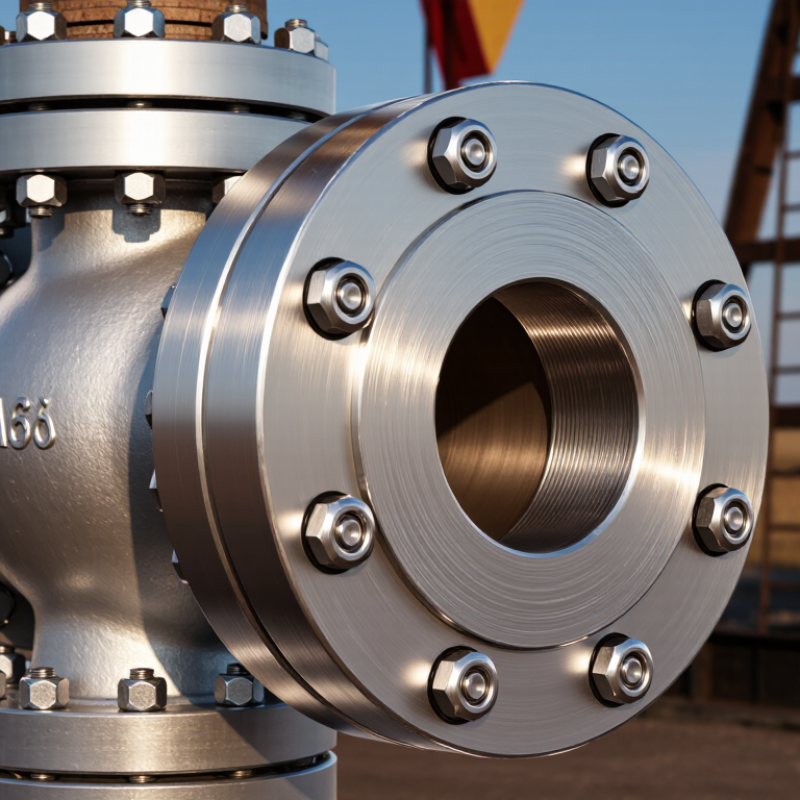
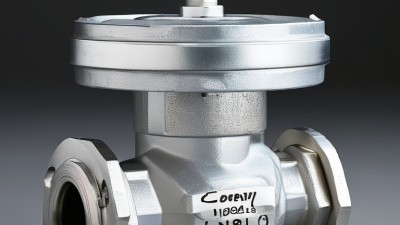
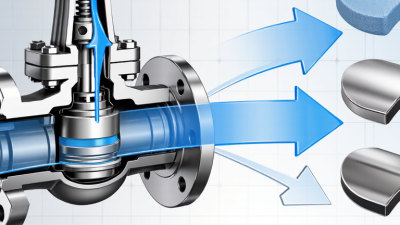
An Api6a Gate Valve Seat is the sealing surface inside a gate valve used in wellhead and production equipment. As the gate moves, it meets the seat to restrict or stop fluid flow through the bore. Depending on the valve design, seats may be fixed or allowed limited movement. Their sealing surfaces may use metal-to-metal contact or incorporate a resilient element.
API 6A sets requirements for covered equipment, including pressure ratings and testing, but seat construction is not identical across every valve. Design details matter. A technician checking a removed seat may look for scoring, pitting, uneven contact marks, or trapped debris. Even a small scratch can affect sealing, though its significance depends on the design and service conditions. A clean-looking seat can still be out of tolerance. That distinction is easy to miss.
Seat selection should match the valve’s pressure class, temperature range, fluid, and operating cycles. Compatibility with the gate and body matters too. Drawings and inspection records help verify dimensions and materials; appearance alone is weak evidence. There is no single seat suited to every oilfield application, and assumptions made during replacement can lead to avoidable leakage or wear.
API Spec 6A defines requirements for wellhead and tree equipment, including pressure ratings, material classes, and validation testing. Its published rating table lists six nominal working pressures: 2,000, 3,000, 5,000, 10,000, 15,000, and 20,000 psi. A gate valve seat must suit the valve’s specified rating and service conditions. A matching part number alone is not enough.
API 6A does not make every seat a standalone certified product. Instead, the seat works within a valve assembly whose design, materials, and performance must meet the applicable specification level. Buyers should check documentation for material grade, temperature range, pressure class, and test basis. For an Api6a Slab Gate Valve Seat, confirm compatibility with the valve body, gate, and sealing surfaces. Small mismatches can cause leakage or uneven wear.
Fit matters. So does traceability. API 6A’s product specification levels and performance requirements help buyers compare equipment, but they cannot replace application-specific review. Sour service, abrasive fluids, and repeated cycling may change seat material needs. A catalog description may omit those details. Ask for drawings and test records, then verify them against the valve’s nameplate and operating envelope. Some uncertainty remains when field conditions differ from the original specification.
Why Choose API 6A Gate Valve Seat for Oilfield Use?
Key Components and Materials of a Gate Valve Seat
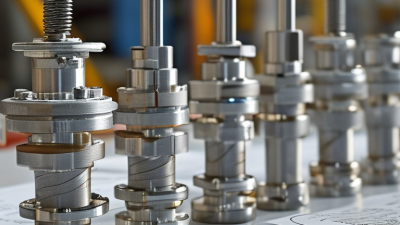
An API 6A gate valve seat helps control flow and limit leakage under demanding wellhead conditions. Its design commonly includes a seat ring, sealing surfaces, and seals or inserts. Some assemblies also use retainers or energizing elements. Details vary by valve design. Fit matters. A small scratch across the sealing face can affect shutoff, especially after repeated cycling.
Seat rings are often made from alloy steel or corrosion-resistant alloys, selected for pressure, temperature, and fluid conditions. Hardfacing may protect contact surfaces from wear and erosion. Elastomer or thermoplastic seals can support sealing, but their suitability depends on temperature and fluid compatibility. No material works everywhere. Even a corrosion-resistant alloy needs review against the actual service environment and specified sour-service requirements.
Tips: Check drawings and material records before installation. Keep sealing faces clean, and inspect for dents or embedded grit. Confirm seal compatibility with the operating temperature and fluid. A seat may look sound and still need closer inspection.
API 6A pressure classes range from 2,000 to 20,000 psi. These are rated working-pressure classes for equipment, not a pressure rating for the seat material alone. A gate valve seat typically combines a supporting seat body with a sealing surface or insert. Depending on service conditions, designs may use metal-to-metal sealing or inserts made from materials such as elastomers or engineered thermoplastics. Material selection depends on pressure, temperature, fluids, and the valve design.
In an API 6A gate valve, the seat creates the sealing interface against the gate. The exact contact depends on valve design, fit, surface finish, and operating conditions. It is a small contact area. Yet small defects can affect shutoff. During assembly, clean surfaces and correct alignment help prevent particles or uneven loading from damaging the sealing faces. “Api6a Gate Valve Trim Seat” selection should match the valve configuration and the fluids, pressure, and temperature expected in service.
Oilfield conditions can be rough on a seat. Pressure cycling may load and unload the sealing surfaces repeatedly, while sand or other solids can scratch them during operation. Corrosive fluids and temperature changes may also affect material performance, so compatibility should be checked against actual well conditions. A clean-looking seat can still have wear that is hard to see. That detail is easy to miss. Inspection should look for scoring, pitting, deformation, and trapped debris, not just visible leakage. Seat life varies; operating history and teardown findings are often more useful than assumptions based on appearance alone.
| Design or Service Factor | How the Seat Works | Oilfield Benefit | Selection Consideration |
|---|---|---|---|
| Sealing contact | The seat forms a sealing interface with the gate. Depending on the valve design, sealing may use metal-to-metal contact, a resilient insert, or a combination of materials. | A correctly matched seat-and-gate arrangement helps isolate pressure when the valve is closed. | Confirm the valve design and specified leakage performance; seat construction and sealing behavior vary by product. |
| Pressure-assisted sealing | In some designs, fluid pressure helps energize the seat against the gate. Other designs use mechanical or spring-assisted loading. | Can support shutoff under the pressure conditions for which the valve is designed. | Check the rated working pressure and the manufacturer’s operating instructions. API 6A pressure classes include 2,000, 3,000, 5,000, 10,000, 15,000, and 20,000 psi; not every design is offered in every class. |
| Gate and seat configuration | Slab-gate and expanding-gate designs use different seating arrangements and load paths. | The appropriate configuration can provide reliable shutoff for the intended wellhead or tree application. | Match the seat to the valve model, gate type, bore size, and pressure direction specified for the installation. |
| Materials and corrosion | Seat bodies and sealing surfaces may use different metallic alloys, coatings, or non-metallic materials. | Material selection can help address wear and corrosion risks in produced fluids. | Verify material class and fluid compatibility for the actual service, including chlorides, acids, and other corrosive constituents. |
| Sour-service exposure | For fluids containing hydrogen sulfide, pressure-containing and wetted materials must be suitable for the specified sour-service conditions. | Appropriate material selection helps reduce the risk of sulfide stress cracking and related damage. | Specify sour-service requirements and confirm material compliance with applicable standards, including ISO 15156/NACE MR0175 where required. |
| Temperature range | Seat materials and clearances are selected to operate within the valve’s specified temperature class. | Proper matching helps maintain sealing performance across expected operating temperatures. | Check the temperature rating for the complete valve assembly. Do not infer a seat’s operating range from its material name alone. |
| Sand and abrasive solids | Solids can pass through the flow path and may damage or score the gate and seat sealing surfaces. | A suitable design and operating practice can help limit premature wear in abrasive service. | Consider solids concentration, flow velocity, flushing procedures, and inspection intervals; no seat design is immune to erosion. |
| Repeated operation | Each operating cycle moves the gate across or into the seat, creating friction and potential wear. | Properly matched components support consistent operation over the intended service life. | Follow the valve’s maintenance guidance and inspect sealing surfaces if leakage, abnormal torque, or difficult operation occurs. |
| API 6A application | API 6A covers wellhead and tree equipment requirements; the valve’s design, rating, materials, and qualification determine its suitability. | Using a seat specified for an API 6A valve helps maintain compatibility with the equipment’s documented service ratings. | Verify the complete valve’s pressure rating, material class, temperature class, PSL, and applicable PR level against the project specification. |
In oilfield service, a gate valve seat must handle pressure, temperature changes, and repeated operation. A properly selected metal seat can resist wear from cycling and contact with production fluids. The Api6a Metal Seat Gate Valve is designed for demanding wellhead and flow-control applications when matched to the specified service conditions. Fit matters. Seat materials, trim, pressure rating, and fluid characteristics should be reviewed together. API 6A requirements provide a useful framework, but they do not replace equipment-specific verification.
Metal seating can provide durable contact surfaces where softer materials may not suit the operating environment. It can also help maintain dependable shutoff across frequent pressure cycles. Results still depend on installation, alignment, and surface condition. A small particle trapped during closure may affect sealing. And metal seats may need closer attention to leakage expectations than some operators assume. Field inspection records and manufacturer documentation help teams make informed maintenance decisions.
Tips: Confirm the pressure and temperature range before selecting a seat. Check fluid composition and expected solids. Inspect mating surfaces during maintenance, and record any scoring or uneven wear. Small details matter. Reassess the choice when service conditions change; a seat that worked well in one well may not suit another.
A gate valve seat is small, but its fit affects isolation, operating torque, and leakage control. For oilfield service, check the valve’s API 6A specification, pressure rating, bore, and temperature range. Confirm that the seat matches the gate and body; a similar-looking replacement can still create uneven contact. Request documented material and dimensional checks.
Then review the well fluid. Sand, corrosive components, and temperature cycling can change wear patterns or damage sealing surfaces. Elastomer seals need compatibility checks against actual fluids and operating temperatures, not a generic “oilfield” label. Small details matter. Compare inspection records and traceability with site requirements. Harder material does not always last longer; hardness, surface finish, and gate alignment must work together.
Before installation, clean the cavity and inspect contact faces under good light. Look for scratches, pitting, trapped grit, and flattened seals. Follow approved procedures and depressurize equipment before servicing. During planned checks, record leakage, torque changes, and cycle counts; trends may reveal wear early. Replace damaged components with matched parts, and never force a gate past resistance. Field notes can be inconsistent, and measurements may vary between technicians. Record the method and gauge used, so later comparisons remain useful.
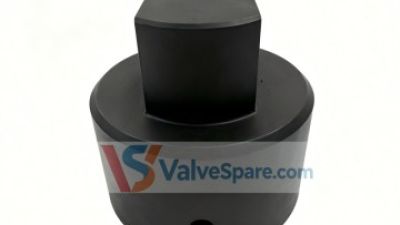
Stem adapters for FC and FLS manual gate valves provide the connection needed to transfer handwheel movement to the valve stem. Selecting an adapter that matches the valve’s series, dimensions, and operating arrangement is essential for dependable fit and smooth operation. Before ordering a replacement, verify the valve model and key measurements, and inspect the surrounding components for wear or damage. Careful compatibility checks help reduce installation issues and support consistent manual control.
Designed for aftermarket replacement, these adapters are manufactured to meet demanding quality requirements and offer a practical alternative to costly original replacement parts. Their robust construction supports regular use in wellhead and flow-control systems, where reliable equipment helps limit unexpected interruptions. For oilfield operators and maintenance teams, choosing a properly matched stem adapter can extend service life, simplify routine repairs, and help manage maintenance costs while keeping FC and FLS manual gate valves in dependable operating condition.
It forms a sealing surface against the gate to restrict or stop flow. Small surface defects can matter.
No. Designs may use fixed or slightly movable seats, with metal-to-metal contact or a resilient element. Details vary.
Check the valve’s pressure rating, temperature range, fluid, and operating cycles. It must also fit the gate and valve body.
Not necessarily. The seat is part of a valve assembly, whose design, materials, and performance must meet applicable requirements.
The listed nominal working pressures are 2,000, 3,000, 5,000, 10,000, 15,000, and 20,000 psi. Verify the valve’s specified rating.
Check for scoring, pitting, deformation, uneven contact marks, and trapped debris. A clean appearance is not proof of correct dimensions.
Pressure cycling, sand, corrosive fluids, and temperature changes may affect wear or material performance. Actual service conditions matter.
Drawings, material details, inspection records, and test documentation can help. Compare them with the valve nameplate and operating conditions.
No. Teardown findings and operating history often provide better clues. I sometimes forget how misleading a clean surface can be.
An Api6a Gate Valve Seat is a sealing component designed for gate valves used in demanding oilfield applications. Its design and performance are considered in relation to API 6A requirements, which address equipment used in wellhead and production systems. The seat works with the gate and other valve components to create a seal, while its material and surface properties help it withstand pressure, temperature changes, fluid exposure, and repeated operation.
In oilfield service, a suitable seat can support reliable shutoff, reduce leakage risk, and contribute to consistent valve performance. Selection should account for the valve design, operating conditions, pressure rating, fluid characteristics, and material compatibility. Regular inspection and maintenance can help identify wear, damage, or changes in sealing performance before they affect operation. Choosing and caring for the right seat helps keep gate valves dependable throughout their service life.