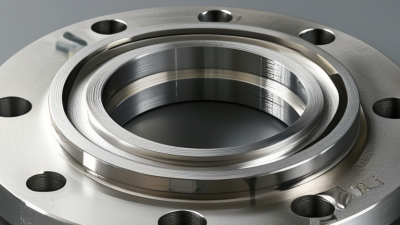
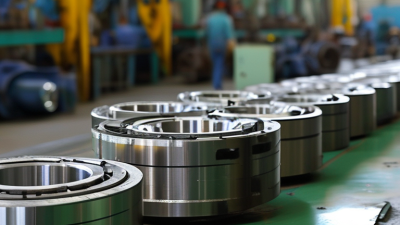
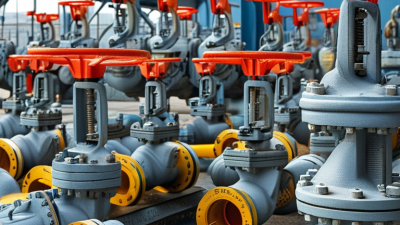
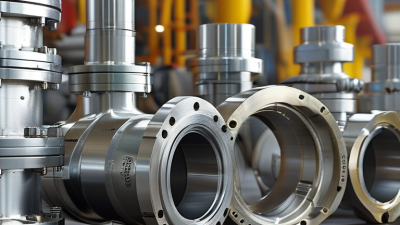
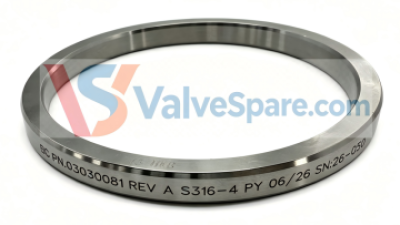
An Api6a Lock Ring is a pretty small part, but it has a really important job. It helps keep pressure-containing parts securely in place within API 6A wellheads and Christmas trees. Its round shape slots into a groove that’s been prepared, creating a tight mechanical connection between the main body and whatever’s attached to it.
But here’s the thing—this ring doesn’t do its job alone. It supports axial loads, prevents unwanted movement, and keeps everything aligned as pressure changes. Depending on how the equipment is designed, the load might pass through the ring, a shoulder, a flange, or a connected hub — and that detail? It really matters. Even though a lock ring seems pretty simple, its size, material, heat treatment, and surface finish all play a critical role in the whole pressure-control setup.
Dr. Michael J. Economides, a respected figure in petroleum engineering education, has always stressed how crucial it is to have a disciplined approach to pressure control design. One of his well-known principles is, “A pressure system is only as reliable as its weakest connection.” That’s a perfect way to think about the Api6a Lock Ring. You might not see it after everything’s installed, but how it looks and how well it’s maintained? That stuff’s vital.
In real-world use, technicians often check the grooves for dents, corrosion, metal loss, or poor seating. They make sure the ring actually fits the right size and matches the equipment specs. A ring that’s too loose can allow movement, and installing it wrong could lead to stress points. But, honestly, that’s just part of the story. How well it performs in the long run also depends on good assembly practices, proper inspection record-keeping, and the actual operating conditions. Companies like Cameron, Baker Hughes, and SLB see these little details as part of a bigger picture in managing wellhead integrity.
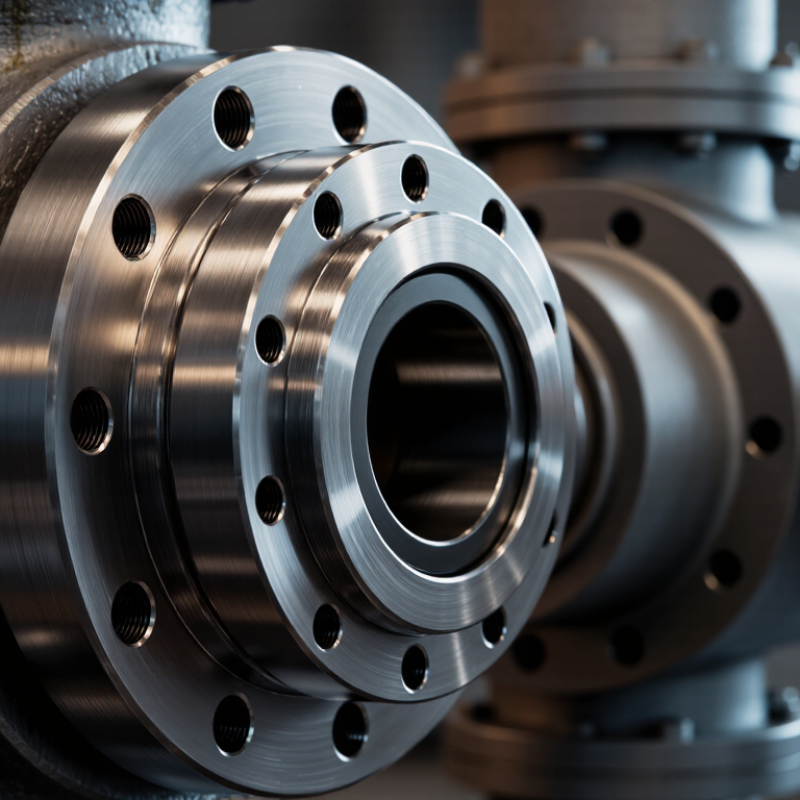
An API 6A lock ring is a mechanical retaining component used in pressure-containing wellhead and Christmas tree equipment. It sits inside a machined groove, usually around a hub, connector, or sealing assembly. Its purpose is simple but critical: it helps keep connected parts in their designed position during pressure changes, vibration, and thermal movement.
The ring does not normally create the primary pressure seal. Instead, it supports the connection that carries the seal and structural load. During installation, technicians check the ring’s size, material, surface condition, and seating depth. Even a small burr can prevent full engagement. The component may look like a heavy steel circle, but many designs use segmented sections that must align correctly. Small detail. Big consequence.
An API 6A lock ring should not be confused with an Api6a Lock Nut. A lock nut uses threads to hold or adjust a component, while a lock ring commonly engages a groove or locking profile. Correct terminology matters during inspection and maintenance. In field work, I would verify the equipment drawing, pressure rating, and manufacturer’s installation procedure before replacing either part. This step can feel slow, yet assumptions create avoidable failures. Inspection records should also note corrosion, galling, deformation, and uneven contact marks. A ring that appears usable may still need replacement after repeated loading.
An API 6A lock ring is a mechanical retaining component used in wellhead and Christmas tree equipment. Its exact shape can vary by equipment design. It commonly includes a forged ring body, locking segments, fasteners, and a machined retaining groove. The ring holds a bonnet, hub, or related pressure-containing part in its seated position. When the fasteners are tightened, the ring transfers axial loading into the surrounding housing. This helps prevent unwanted movement during pressure cycles.
Material selection is critical. Manufacturers often use forged alloy steel because it offers high strength and better resistance to impact. Stainless steel may suit specific corrosion conditions, but it is not automatically the best choice. Heat treatment, hardness, chemical composition, and material traceability should match the required API 6A service level. A reliable inspection process checks surface damage, thread condition, dimensional accuracy, and proper engagement. Small defects matter.
Tips: Clean the groove before installation. Check for burrs, cracks, and uneven contact marks. Apply only the specified lubricant. Do not assume a visually similar ring is interchangeable. The design drawing and equipment documentation should control the selection. In practice, installation errors can appear minor but create uneven loading. That point deserves more attention. Even a strong lock ring cannot correct a damaged groove or incorrect tightening sequence.
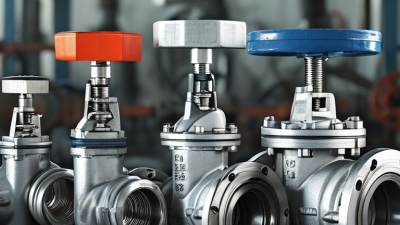
An API 6A lock ring is a mechanical retaining component used in high-pressure wellhead and valve assemblies. In an Api6a Gate Valve Lock arrangement, it helps hold the bonnet, stem, or related parts in position during operation. Its exact function depends on the valve design. A lock ring is not automatically a pressure barrier.
API Specification 6A, 21st Edition, covers working pressures from 2,000 to 20,000 psi. It also defines product specification levels, performance requirements, material classes, and temperature ratings. ISO 10423 provides the aligned international framework. These requirements influence ring geometry, thread engagement, material traceability, nondestructive examination, and pressure testing. A ring may look simple.
Designers must verify load paths, galling resistance, corrosion exposure, and clearance after thermal expansion. For sour-service applications, material selection requires careful control of hardness and chemical composition. API 6A testing also expects documented validation rather than visual confidence. The 6A standard’s PSL and PR classifications are especially important because they define inspection and performance expectations, not decorative labels. In field inspections, I would check thread damage, uneven contact marks, missing retainers, and witness paint movement. A shiny surface proves little. That is the uncomfortable part. A lock ring can survive routine cycling yet fail after poor installation, incorrect torque, or unnoticed corrosion. Engineering records, calibrated tools, and repeatable inspection steps remain more reliable than appearance.
An API 6A lock ring secures wellhead equipment by locking two pressure-containing sections together. It sits inside a machined groove around the wellhead connection. When technicians tighten the retaining screws, the split ring closes evenly around the mating hub. The ring then transfers axial forces through its load-bearing shoulders. Pressure tries to separate the connection, but the ring blocks that movement.
API Specification 6A identifies working pressure ratings from 2,000 to 20,000 psi. That range shows why correct ring selection matters. A ring must match the hub profile, pressure rating, material, and connection size. During field work, technicians inspect the groove for dents, corrosion, and trapped debris. They also verify screw engagement and apply the specified torque. A small gap can be acceptable by design, but an uneven gap deserves investigation.
The lock ring does not replace a gasket or metal seal. The seal controls fluid leakage, while the ring maintains mechanical closure. IOGP’s safety guidance treats barrier integrity as a condition requiring inspection and verification. That principle applies here. In practice, rushed cleaning can undermine a sound assembly. More careful inspections may reveal wear that drawings cannot show. Conditions vary, and assuming every ring behaves identically would be a mistake.
An Api6a Stop Ring, often called an API 6A lock ring, secures internal components inside wellhead equipment. Its position helps prevent axial movement during pressure service. API Specification 6A, 21st Edition, covers working-pressure classes from 2,000 to 20,000 psi. That range shows why installation cannot rely on appearance alone. A ring may look correct and still have the wrong material, size, or pressure rating.
Start by isolating and depressurizing the equipment. Confirm the ring matches the approved drawing, bore size, material, and service temperature. Clean the groove with a lint-free cloth. Remove scale, metal chips, and old compound. Inspect the ring for cracks, distortion, sharp dents, or uneven ends. Do not force it.
Place each ring segment into the groove in the specified orientation. Seat the segments evenly with a nonmetallic tool. Check that the joint gap matches the manufacturer’s installation requirement. The ring should sit flush, without rocking or rising from the groove. Recheck the mating component before applying controlled assembly force. API 6A qualification uses defined pressure and performance requirements, but field workmanship still matters. A pressure test should follow the approved procedure, with calibrated equipment and recorded results.
Small errors become expensive. I have seen teams focus on torque while overlooking debris beneath the ring. That mistake deserves a second look. If the ring binds, shifts, or leaves an uneven gap, stop installation and request engineering review. Never correct it by grinding or hammering without written approval.
An API 6A lock ring is a retaining component used in high-pressure wellhead and Christmas-tree connections. It holds the connector or bonnet in its secured position so the sealing system remains properly loaded during operation.
Nominal working-pressure classes commonly specified for API 6A equipment are shown in pounds per square inch (psi). The selected pressure class must match the certified equipment and installation design.
The lock ring does not replace the primary pressure seal. Its function is to retain and secure the connection while the designated sealing elements provide pressure containment.
An API 6A lock ring helps retain internal valve components under demanding pressure conditions. Its exact role depends on the equipment design and assembly drawing. During inspection, technicians should check the ring’s threads, shoulders, contact faces, and locking features. Small damage matters. Look for galling, corrosion pits, distortion, cracked edges, or displaced metal around the seating area. An Api6a Seat Ring should also be examined for uneven wear and scoring.
Clean the ring with an approved method before inspection. Dirt can hide a shallow crack. Use suitable lighting and calibrated measuring tools, not visual judgment alone. Compare critical dimensions with the manufacturer’s approved drawing and API 6A requirements. Check thread engagement and confirm that the ring sits evenly without forced alignment. Incorrect torque can damage threads or reduce retention. Record findings with photographs, measurements, and part identification details.
Maintenance should include compatible lubrication where the procedure allows it. Keep sealing surfaces protected during storage and installation. Common failure risks include over-torquing, poor cleaning, corrosion exposure, incorrect replacement parts, and repeated assembly without dimensional checks. A checklist helps, but it can create false confidence. A clean surface does not prove sound metal. I would pause when markings are unclear or resistance feels unusual. Reusing a questionable lock ring may save time, but it can create a larger pressure-control problem later.
Bonnet seal ring gaskets are essential sealing components for FC, FL, and FLS gate valves. Installed between the bonnet and valve body, they help prevent well-fluid leakage and maintain pressure integrity during drilling, production, and maintenance operations. Aged, deformed, or damaged gaskets may cause leakage, unplanned downtime, and increased safety risks, so selecting a correctly matched replacement is critical. Different valve types and standard sizes require precise gasket dimensions to ensure reliable installation without field modification.
Replacement bonnet gaskets for FC gate valves are available for urgent maintenance and planned projects, with local warehouse support enabling fast shipment in the United States. Manufactured from high-temperature and corrosion-resistant composite materials, these gaskets provide stable sealing performance in demanding onshore and offshore environments. Supply options can cover individual emergency replacements as well as large project quantities, while material test certificates can accompany each shipment to support inspection and FAT requirements. Properly specified seal rings help extend valve service life, simplify maintenance, and reduce the overall cost of wellsite repairs.
It is a mechanical retaining component for pressure-containing wellhead and tree equipment. It holds connected parts in position. Small detail. Big consequence.
It supports the connection carrying the pressure seal and structural load. The ring helps resist vibration, pressure changes, and thermal movement. It does not usually create the primary seal.
It usually sits in a machined groove around a hub, connector, or sealing assembly. The groove must be clean and undamaged. A damaged groove can prevent secure engagement.
A lock nut uses threads to hold or adjust a component. A lock ring normally engages a groove or locking profile. The terms should not be treated as interchangeable.
Forged alloy steel is common because it provides high strength and impact resistance. Some applications may require stainless steel. Material choice depends on corrosion conditions and service requirements.
Check the ring size, material records, surface condition, and seating depth. Inspect for burrs, cracks, corrosion, galling, and deformation. Also examine threads and uneven contact marks.
Clean the groove thoroughly before placing the ring. Remove visible debris and check every locking segment. Use only the specified lubricant. Do not guess.
Not automatically. Confirm the equipment drawing, pressure rating, dimensions, and installation procedure. A similar-looking ring may engage incorrectly or load unevenly. Appearance is not proof.
Replace it when inspection finds cracks, severe corrosion, deformation, damaged threads, or poor engagement. Repeated loading may weaken a ring that still looks acceptable. This judgment can be difficult. Document the reason carefully.
An Api6a Lock Ring is a critical mechanical component used to secure and retain wellhead equipment, including flanges, hubs, and other pressure-containing connections. Its primary role is to maintain proper alignment and support reliable sealing under high pressure, temperature, vibration, and demanding field conditions. The ring typically includes precision-machined locking segments, grooves, retaining features, and corrosion-resistant alloy or treated steel surfaces selected for strength, durability, and environmental resistance. Its design must comply with API 6A requirements for dimensions, pressure ratings, materials, manufacturing quality, and performance verification.
During installation, technicians clean and inspect the mating surfaces, position the equipment correctly, fit the Api6a Lock Ring into its designated groove, and confirm full engagement before applying the specified tightening and testing procedures. Regular inspection should check for wear, deformation, corrosion, cracking, damaged threads, and improper seating. Common failure risks include incorrect installation, unsuitable materials, inadequate lubrication, excessive loading, and delayed maintenance. Proper inspection, controlled handling, and timely replacement help preserve connection integrity and support safe, dependable wellhead operation.