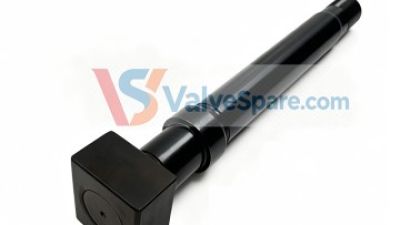
The Api6a Stem Pin is actually pretty important in a bunch of different industrial settings. People really rely on it because it’s known for being strong and durable. Engineers and manufacturers often praise how reliably it performs, even when things get pretty extreme. It’s a key player when it comes to keeping oil and gas equipment working smoothly and safely.
One of the biggest perks of the Api6a Stem Pin is how resistant it is to corrosion. That’s a huge deal, especially in tough environments where stuff tends to rust or break down fast. Folks using these pins usually find their machinery lasts way longer thanks to that. Of course, it’s worth remembering that how well it works can depend a lot on the specific conditions it’s exposed to. Regular check-ups and routine maintenance are definitely a good idea to keep everything in tip-top shape.
And here’s the thing — the Api6a Stem Pin isn’t just limited to oil and gas. It’s actually pretty versatile and shows up in many other industries too. Companies love that it can adapt to different needs. But, a heads up for anyone thinking about getting one — quality and standards really matter. Cutting corners here can cause some headaches down the line. So, understanding exactly what each application requires is super important to make the best choice.
Understanding the Api6a Stem Pin: Definition and Purpose
The API 6A stem pin is a crucial component in the oil and gas industry. It connects various equipment within wellhead assemblies. Understanding its definition and purpose helps in ensuring reliable operations. The stem pin specifically facilitates the attachment of control equipment, making it essential for well management.
One major benefit of the API 6A stem pin is its durability. Made from high-strength materials, it withstands harsh conditions. This quality leads to fewer equipment failures and delays. However, proper maintenance is often ignored. Operators should regularly check for wear and tear. This oversight can lead to unexpected issues during drilling operations.
Applications of the API 6A stem pin extend beyond just wellheads. It is used in blowout preventer systems and pressure control systems. These are critical for safety and efficiency. Yet, the complexities in installation can sometimes be daunting. Training of personnel is often insufficient, which leads to mistakes that may compromise safety. This aspect needs significant attention for improvements in operational integrity.
Key Benefits of Using Api6a Stem Pins in Oil and Gas Industry
The API6A stem pins play a critical role in the oil and gas industry. These pins provide essential mechanical support for various components of drilling and production equipment. Their design ensures reliable connections, enhancing operational efficiency. With the harsh conditions in this sector, durability is paramount. API6A stem pins are engineered to withstand high pressures and corrosive environments.
One notable benefit of using API6A stem pins is their ability to reduce maintenance downtime. Regular replacement and upkeep can be costly. By utilizing these pins, operators can experience longer intervals between maintenance activities. This translates to more operational hours and improved productivity in the field. Additionally, their compatibility with various equipment types fosters versatility. It allows for a wider application range, accommodating different operational needs.
Despite their advantages, it's essential to recognize the challenges. Selection and installation require careful consideration. Misalignment or incorrect sizing can lead to failures. This calls for thorough training and expertise in handling these components. Operators must remain vigilant to ensure maximum performance and reliability. In an industry where safety is critical, continuous education and attention to detail cannot be overlooked.
Applications of Api6a Stem Pins in Downhole Equipment Systems
API 6A stem pins play a pivotal role in downhole equipment systems. These components are essential for ensuring secure connections in various oil and gas applications. Their primary function is to maintain the integrity of drilling operations, where failure is not an option. In downhole environments, they must withstand extreme pressures and temperatures. When properly designed, these pins enhance the overall reliability of the equipment.
Applications for API 6A stem pins vary widely. They are used in blowout preventers and other pressure control systems, vital for safe drilling operations. Their robustness helps prevent leaks and equipment malfunction. Each pin must be manufactured with precision, as even minor flaws can lead to catastrophic outcomes. Regular inspections and quality checks are crucial in this regard to maintain safety and efficiency.
While the benefits are clear, the manufacturing process requires constant improvement. Challenges in quality control can sometimes arise, leading to inconsistencies. Thus, ongoing training and adopting new technologies in production are essential for reliability. The industry must remain vigilant and adaptive to sustain high standards and ensure that equipment performs under challenging conditions.
What is Api6a Stem Pin Benefits and Applications?
| Dimension |
Description |
Benefits |
Applications |
| Material Quality |
High-strength steel or alloy |
Increased durability and resistance to wear |
Used in harsh downhole conditions |
| Thread Type |
API standard threads |
Ensures compatibility with industry standards |
Common in drilling and completion operations |
| Heat Treatment |
Quenched and tempered |
Enhances mechanical properties |
Applicable in extreme pressure and temperature |
| Size Range |
Various sizes available |
Customization for different equipment needs |
Used in various downhole tools |
| Corrosion Resistance |
Coated or alloyed for protection |
Extends lifespan of the components |
Ideal for use in corrosive environments |
Material Composition and Design Features of Api6a Stem Pins
API 6A stem pins are essential components in various oil and gas applications. Their material composition and design directly influence their performance. Typically made from high-strength alloy steel, these pins exhibit exceptional durability under harsh conditions. Their ability to withstand extreme temperatures and pressures is vital for maintaining integrity in critical operations.
The design of API 6A stem pins focuses on precision and reliability. A well-engineered stem pin ensures a snug fit within the equipment. This reduces the risk of failure during operation. However, not all pins are created equal. Some may exhibit wear over time, leading to performance issues. It’s crucial to regularly inspect these components for signs of degradation.
Tips: Always choose stem pins based on application-specific requirements. Understand how material choices can affect overall performance. Moreover, consider the environmental conditions the pin will face. An overlooked detail can lead to significant problems down the road. Proper research and professional advice can prevent costly mistakes. The importance of quality in stem pin production cannot be underestimated; it can mean the difference between smooth operations and catastrophic failures.
Comparative Analysis: Api6a Stem Pins vs. Traditional Fasteners
When evaluating Api6a stem pins and traditional fasteners, several key differences emerge. Api6a stem pins are specifically designed for demanding applications, such as the oil and gas industry. Their design enhances strength and performance under high pressure. The materials used are usually more resilient, contributing to their reliability in harsh environments. In contrast, traditional fasteners often lack the same durability and may corrode quicker under such conditions.
One significant advantage of Api6a stem pins is their ease of installation. This design reduces installation time and minimizes the likelihood of error. Users often report lower maintenance costs due to less frequent replacements. Traditional fasteners, while widely used, may not offer the same long-term benefits, especially in critical applications where safety is paramount. However, traditional options can be simpler and cost-effective for less demanding tasks.
Considering these elements, it’s crucial to reflect on the application needs. Api6a may provide better solutions for high-stakes projects. However, for lower stress applications, traditional fasteners might still be sufficient. Appropriate selection based on project requirements is vital.
Installation and Maintenance Practices for Api6a Stem Pins
When it comes to installing API 6A stem pins, attention to detail is critical. Ensuring the correct alignment is essential to avoid premature wear. Misalignment can lead to operational failures. Proper torque specifications must be followed, as too much or too little can compromise the integrity of the connection. Using proper tools can help achieve the desired torque without overextending or damaging components.
Maintenance of API 6A stem pins involves regular inspections. Look for signs of wear or corrosion, as these can indicate impending failure. It's best to clean them periodically to remove debris. Keeping components lubricated will also enhance performance and longevity. Noticing small issues before they escalate is vital to ensuring operational reliability.
While these practices seem simple, they require vigilance and consistency. A lapse in maintenance could result in significant downtime and expenses. Training personnel on these practices is important. A knowledgeable team can identify potential problems quickly. Investing in education and proper tools pays off in the long run.
Future Innovations and Developments in Api6a Stem Pin Technology
The future of API 6A stem pin technology is poised for significant advancements. As the industry evolves, the focus is shifting towards enhancing performance and reliability. New materials and innovative designs are being explored to improve durability under extreme conditions. Engineers are researching composite materials that may offer both strength and lightweight characteristics.
Additionally, the integration of smart technology into stem pins is a fascinating area of development. Consider sensors that can monitor wear and stress in real-time. These smart stem pins could help prevent failures before they occur. Yet, while promising, this technology raises questions about vulnerability to hacking. Balancing innovation with security will be crucial in the coming years.
Lastly, the industry must address safety protocols as technology advances. Enhanced features can lead to unexpected complexities. This scenario could create challenges in maintenance and operation. Thorough training for personnel will be essential to mitigate these risks. The quest for innovation must go hand in hand with practical solutions to ensure safe and efficient use of API 6A stem pins.
Comprehensive Guide to Operating Stems for Type FLS DAN Hydraulic Gate Valves: Key Features and Benefits
The operating stems for Type FLS DAN hydraulic gate valves play a crucial role in ensuring the efficient functioning of these critical components within various industries. These stems are designed to provide a reliable link between the actuator and the gate of the valve, enabling smooth operation and precise control over fluid flow. One of the key benefits of using high-quality operating stems is their ability to withstand the pressures and stresses that come with hydraulic systems, ensuring longevity and reducing the need for frequent replacements.
When selecting an operating stem, it is important to consider factors such as durability, compatibility, and cost-effectiveness. High-quality operating stems are manufactured to meet strict performance standards, ensuring that they can handle challenging conditions without compromising operational efficiency. By choosing reliable operating stems, users can enhance the overall performance of their Type FLS DAN hydraulic gate valves, making them an essential investment for any organization looking to optimize its fluid management systems.
FAQS
PI 6A stem pins usually made of?
Their design focuses on precision and reliability to reduce failure risk.
Regular inspections are crucial for detecting signs of wear or degradation.
API 6A pins are specifically designed for high-pressure applications, enhancing strength and performance.
They can be used, but they often lack the durability needed for critical situations.
Consider application-specific requirements and environmental conditions for optimal performance.
No, they typically result in lower maintenance costs due to less frequent replacements.
API 6A pins usually allow for easier installation, reducing installation time.
Yes, small overlooked details can result in significant operational problems later.
Not necessarily; for lower stress applications, traditional fasteners may also be sufficient.
Conclusion
The Api6a Stem Pin is a critical component used in the oil and gas industry, specifically designed to enhance the functionality and reliability of downhole equipment systems. Its primary purpose is to provide robust fastening solutions that withstand the extreme conditions often encountered in drilling operations. The key benefits of utilizing Api6a Stem Pins include their superior strength, resistance to wear and corrosion, and the ability to maintain operational integrity over prolonged use compared to traditional fasteners.
In addition to their advantageous material composition and innovative design features, Api6a Stem Pins are pivotal in ensuring the efficiency and safety of equipment. They facilitate seamless installation and require specific maintenance practices to maximize their lifespan. As technology advances, ongoing developments in Api6a Stem Pin design promise to introduce further enhancements, solidifying their role as an indispensable element in the evolving landscape of downhole operations.


 Contact Phone
 Contact Email