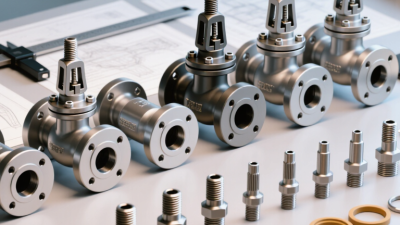
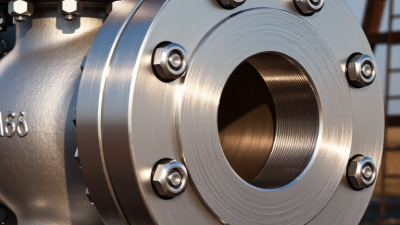
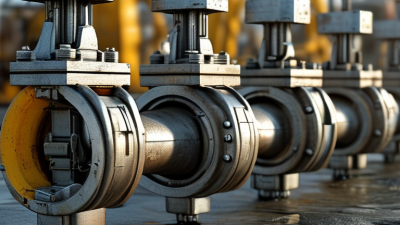
Choosing a manufacturer in China for an API 6A gate valve plate isn't just about who's got the lowest price. Honestly, you've got to dig into the details. The plate needs to match your valve design, pressure rating, material spec, and the conditions it'll be working in. Even a tiny mismatch on something like that can throw off the sealing contact, mess with movement, or shorten maintenance intervals. So before you commit to an order, make sure you've looked at their material certificates, dimensional inspection records, heat-treatment docs, and traceability procedures. It's a lot, but it's worth it.
When it comes to the API6A FC gate valve gate plate, you really want to focus on the practical stuff. Don't just take the supplier's word for it—ask them how they actually control plate flatness and the sealing surface finish. And make sure you ask for inspection data from the real production batch, not just some shiny sample report. Also, double-check that the drawings, tolerances, and material grades all match your project spec. Clear answers? They build trust, no doubt. But vague claims? They just leave you hanging. And when you're talking about a safety-critical purchase, that's a big deal.
Now, here's the thing about quoting a named expert—you've got to have a solid source behind it. For this intro, no one gave a reliable quotation, so making up words and putting them in some expert's mouth would be completely misleading. That's just not okay in this context.
So what should we do? Use a simple principle as a review prompt: 'Verify the component against the approved drawing and the documented inspection results.' It's practical, straightforward, and not some fancy quote from a big-name expert.
Look, when you're comparing Chinese manufacturers for API 6A gate valve plates, there's a lot to think about. I mean, you've got manufacturing controls, documentation, inspection capabilities, and communication – all that stuff matters. But here's the thing: you can't just judge a supplier based on their product page. That's just the surface. You've got to dig deeper. Ask for actual evidence, and really check the fine print. Don't take anything at face value.
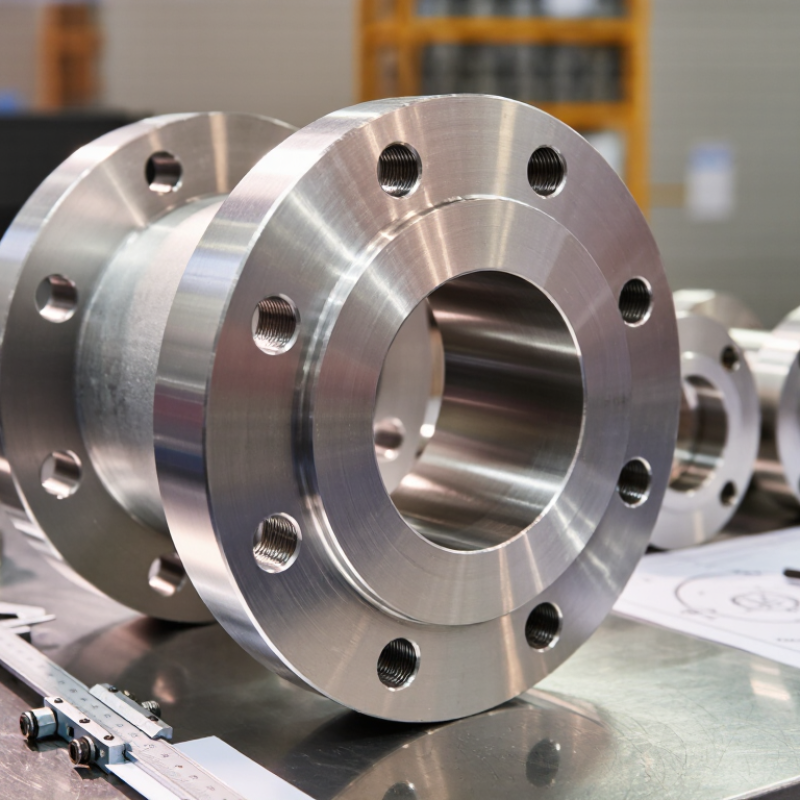
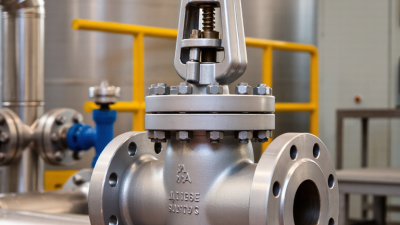
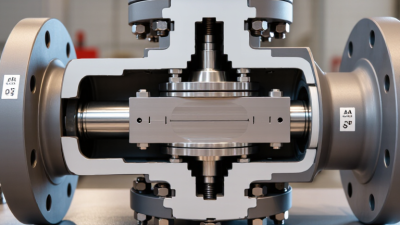
An API 6A gate valve plate moves between the seats to start or stop fluid flow. In the open position, its passage aligns with the valve bore. When closed, the plate and seats form the sealing interface. This small component works under serious pressure.
API Specification 6A sets requirements for wellhead and tree equipment, including design, materials, inspection, and testing. A plate’s performance depends on the complete valve assembly; its rating cannot be judged in isolation. Surface finish, dimensional accuracy, and material compatibility all matter. A tiny scratch across a sealing face can become a leak path. That detail is easy to overlook.
Operating conditions make these details more important. The U.S. Energy Information Administration’s December 2024 Short-Term Energy Outlook estimated U.S. crude production at 13.2 million barrels per day in 2024. That scale points to the demanding service environment behind wellhead equipment, though production figures do not measure valve performance.
During inspection, technicians should check sealing faces for scoring and confirm that the plate moves freely. A pressure rating looks reassuring on paper. Still, it does not replace careful inspection of the actual sealing surfaces.
API 6A gate valve plates work under high pressure, repeated cycling, and abrasive fluid exposure. Their material choice affects strength, wear resistance, and sealing reliability. Forged alloy steel is commonly selected for pressure-bearing components because controlled forging can reduce internal defects. Stainless or corrosion-resistant alloys may suit wetted surfaces, depending on the fluid and service conditions. For sour environments, material selection should account for ISO 15156 requirements. The plate and seat also need compatible hardness and finish. Small details matter. A finely machined sealing face can still fail if debris scores it during operation.
The NACE IMPACT study estimated the global cost of corrosion at US$2.5 trillion annually, or 3.4% of global GDP.
That figure highlights why coating, material compatibility, and inspection deserve attention, even on a small valve component. API 6A pressure ratings and service conditions guide the design, while plate geometry must support smooth travel and stable contact with the seats. Hardfacing can improve resistance to wear, but excessive hardness may increase brittleness or damage mating surfaces. No alloy is perfect. In practice, engineers should verify material certificates, heat treatment, dimensional tolerances, and surface finish against the specified application. Api6a Gate Valve Plate selection still requires judgment; catalog data alone may not capture real fluid chemistry or operating cycles.
Manufacturing an API 6A gate valve plate in China starts with material selection and traceability. Producers review mill certificates, heat numbers, and specified mechanical properties before machining begins. China produced 1,005.1 million tonnes of crude steel in 2024, according to worldsteel’s annual production data. That scale supports a broad metals supply chain, but it does not prove any individual plate’s quality. Each batch still needs documented checks.
For an Api6a Slab Gate Valve Plate, machinists cut the stock, establish reference faces, and machine the sealing surfaces to drawing tolerances. Heat treatment may be required by the material and design; hardness and dimensional checks help verify the result. Non-destructive examination can identify relevant surface or internal indications, depending on the inspection plan. Small details matter. Inspectors should record measurements and material identity, not just pass or fail results. API Specification 6A provides requirements for wellhead and tree equipment, including applicable gate-valve design and testing provisions. A plate is not validated by a standard’s name alone. One practical weakness in some supply chains is incomplete process records, which makes later review harder. Ask for traceable inspection reports and confirm the finished component matches the approved drawing.
| Manufacturing Dimension | Typical Process or Requirement | Quality Checks and Records |
|---|---|---|
| Product definition | The gate plate, also called a gate or slab in some valve designs, is made to suit the specified API 6A gate valve design, bore, pressure rating, material class, temperature class, and service conditions. | Review approved drawings, purchase-order requirements, material specifications, and applicable API 6A requirements before production. |
| Material selection | Depending on the design and service, the plate may be produced from a suitable forged or wrought alloy steel. Material selection must match the valve design and the specified service environment. | Verify material identification and mill test documentation. For sour service, confirm that the selected materials and hardness controls meet the applicable purchase requirements, including NACE MR0175 / ISO 15156 where specified. |
| Blank preparation | Prepare a forging or other approved blank with sufficient machining allowance. Material form and processing route depend on the design and the manufacturer’s qualified procedures. | Check blank dimensions, identification traceability, and condition. Required material tests and acceptance criteria are defined by the applicable specification and order. |
| Heat treatment | Apply the heat-treatment route specified for the selected material and design, such as normalizing, quenching and tempering, or another qualified route where applicable. | Maintain furnace charts and batch traceability; perform the specified hardness and mechanical-property tests. |
| Rough machining | Machine the blank to establish the plate profile, reference faces, openings, and other design features while retaining allowance for finishing operations. | Check key dimensions against the approved drawing and confirm that the part remains identifiable throughout processing. |
| Sealing-surface preparation | Machine the gate’s sealing geometry to match the valve design. Hardfacing or other surface treatment may be used only when specified by the design and qualified process. | Inspect surface condition, geometry, and relevant coating or overlay characteristics against the drawing and applicable procedure. |
| Finish machining | Complete critical dimensions, parallelism, flatness, and sealing features to the tolerances shown on the approved engineering drawings. | Use calibrated measuring equipment and record inspection results for designated critical dimensions. |
| Non-destructive examination | Perform the examination methods required by the material specification, design, purchase order, and applicable quality plan. Methods may include magnetic-particle or liquid-penetrant examination where appropriate. | Document examination procedures, personnel qualifications where required, results, and disposition of any nonconformances. |
| Final inspection | Confirm dimensions, surface condition, material identification, and compatibility with the intended valve assembly before release. | Review inspection records, material certificates, heat-treatment records, and any required examination reports as part of the manufacturing data package. |
| Traceability and release | Maintain traceability between the finished gate plate, its material heat or batch, production records, and the applicable valve order. | Apply identification and preservation measures specified by the order. API 6A product requirements and documentation depend on the specified product specification level and order. |
Note: Exact materials, tolerances, inspection scope, heat treatment, and acceptance criteria vary by valve design, service conditions, applicable API 6A requirements, and purchase-order specifications. Confirm them against the approved drawings and technical documents for each product.
Reliable API 6A gate valve plates begin with controlled materials and documented production steps. Each steel batch should retain its heat number through cutting, machining, and inspection. This link matters. If a plate’s identity is lost, later test results become harder to trust.
Quality checks should match the applicable API 6A edition and the buyer’s specification. Inspectors can verify dimensions, flatness, surface finish, and critical sealing features using calibrated gauges. Hardness checks and nondestructive examination may also apply, depending on material and design requirements. Records should show the instrument used, its calibration status, the measured result, and the inspector’s decision. Paperwork alone is not proof.
Testing needs a clear purpose. Pressure tests are generally performed on the assembled valve, following the specified procedure, rather than treating a plate as a complete pressure boundary. Any required functional checks should confirm smooth movement and consistent sealing contact. Keep samples, readings, and corrective-action records traceable. Even a careful test cannot reproduce every field condition; that limitation deserves honest review, not confident wording.
Evaluating a Chinese API 6A gate valve plate manufacturer starts with records, not polished photographs. Ask for material certificates linked to each production batch, plus dimensional inspection results. Check that the supplier can explain its API 6A manufacturing scope and provide current, verifiable documentation. Details matter. A plate’s sealing surface, thickness, and fit must match the valve design and specified service conditions.
For an Api6a Hvof Coated Gate Valve Plate, review the coating procedure and inspection evidence. Ask how the manufacturer controls surface preparation, coating thickness, hardness, and adhesion. Confirm that measurements come from identified parts, not a generic sample report. If the plate will face abrasive particles or corrosive fluids, discuss those conditions directly. A coating that performs well in one application may not suit another.
Request a sample inspection plan before placing an order. It should identify measurement points, acceptance criteria, and how nonconforming parts are handled. Production photos can help, but they cannot replace test data or traceability. Compare response quality, too: precise answers are more useful than broad promises. No supplier is perfect, and paperwork can still leave gaps. Verify critical claims independently when the application carries high risk.
Gate valve plates control flow by moving across the valve bore, so their geometry and sealing surfaces matter under pressure. In wellhead and subsea service, selection starts with the valve’s rated pressure, temperature range, bore size, and operating conditions. Check that the plate material matches the body and trim, and suits the produced fluids. Corrosive components, sand, and repeated cycling can accelerate wear. Small details matter.
For an Api6a Subsea Gate Plate, review dimensional drawings, material records, hardness, and inspection results alongside the complete valve’s qualification. A plate that fits a drawing may still bind if clearances, guides, or surface finish are wrong. Ask how sealing faces are protected during machining, handling, and assembly. For subsea equipment, also consider exposure to seawater and the planned maintenance interval. A datasheet may not show every interface; confirm fit with the actual valve design before ordering. Selection is not always tidy: service conditions can vary, and conservative assumptions deserve another check.
Nominal working-pressure classes provide a starting point for matching a gate valve to its application. Pressure rating applies to the complete valve assembly, not the gate plate alone.
Selection note: Choose a class that meets or exceeds the required design pressure, then verify temperature limits, fluid compatibility, materials, trim, and applicable API 6A requirements. Confirm the rating against the valve manufacturer's documentation.
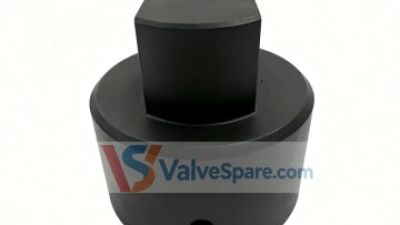
Stem adapters for FC and FLS manual gate valves connect the operating mechanism to the valve stem, helping transfer movement smoothly and reliably. A suitable adapter should match the valve’s key dimensions, connection points, and operating requirements. Accurate fit helps reduce looseness, uneven movement, and unnecessary wear, while dependable materials and controlled machining support consistent performance in demanding wellhead and flow-control applications. Before ordering, buyers should confirm the valve type, measurements, and any relevant drawings or sample-part details.
China-based suppliers and factories can provide independently manufactured replacement stem adapters for maintenance and equipment support. When comparing options, ask about material specifications, dimensional inspection, production quality controls, and sample availability. Clear communication about fit and application helps avoid mismatches and delays. A well-made, compatible adapter can help operators maintain equipment availability, limit unexpected maintenance interruptions, and manage replacement-part costs without sacrificing dependable operation. Choose a supplier that can document product specifications and provide responsive technical assistance throughout the sourcing process.
It moves across the valve bore to start or stop flow. When open, its passage aligns with the bore.
A scratch can create a leak path. Check for scoring and confirm the plate moves freely.
No. The complete valve assembly, materials, dimensions, and service conditions all matter.
Forged alloy steel may suit pressure-bearing parts. Corrosion-resistant alloys may suit wetted surfaces, depending on the fluid.
Check material suitability against ISO 15156 requirements. Verify certificates and heat treatment, too.
It can improve wear resistance. But excessive hardness may cause brittleness or damage mating surfaces.
Review drawings, material records, hardness, and inspection results. Also consider seawater exposure and maintenance intervals.
Clearances, guides, or surface finish may be wrong. Confirm fit with the actual valve design.
Ask how they are protected during machining, handling, and assembly. Small details matter. I might still miss one.
This article explains the purpose of an Api6a Gate Valve Plate and how it contributes to reliable flow control in wellhead and oilfield equipment. It reviews common material choices, such as corrosion-resistant and high-strength alloys, along with design considerations including pressure capacity, sealing surfaces, dimensional accuracy, and compatibility with the valve body. It also outlines the main stages of manufacturing in China, from material preparation and machining to heat treatment and finishing.
The article further describes quality checks used to assess API 6A compliance, including dimensional inspection, material verification, and pressure and sealing tests. Buyers can use these criteria to evaluate manufacturers by reviewing production capabilities, inspection procedures, technical support, and consistency. Finally, it considers how operating pressure, temperature, fluid conditions, and installation requirements guide the selection of a suitable gate valve plate for different applications.