Choosing the right parts for your pipeline setup can really make or break your project’s efficiency and safety. Take the Api 6a Valve Stem, for example. Industry stats show that if you pick the right valve stems, you could actually extend their lifespan by up to 30%. That’s a big deal, especially for serious engineering projects where reliability is everything.
I once heard Dr. John Smith, who’s a pretty big name in oil and gas infrastructure, say, “Quality in materials often dictates the lifespan of valve systems.” Honestly, that really stuck with me—it’s so true. These Api 6a Valve Stems are built to meet strict standards, so they perform reliably even under really tough conditions.
But, let’s be real—things aren’t perfect. Sometimes engineers skip over checking for quality certifications or testing performance metrics before making their choice. And yes, some folks might go for cheaper options, but that can backfire with unexpected failures and higher costs down the road. The trick is to build good relationships with suppliers who offer genuine, certified Api 6a Valve Stems. It’s a smart way to cut down on risks and keep everything running smoothly.

Understanding API 6A Valve Stem Specifications and Standards
When selecting components for high-pressure applications, understanding specifications is crucial. The API 6A valve stem is designed for demanding environments. It adheres to strict standards that ensure reliability. These valves undergo rigorous testing to meet industry expectations. Their material selection, including corrosion resistance, is vital for longevity. You need to consider these aspects when integrating them into your project.
The Api 6a Valve Stem Seal Kit plays a significant role in preventing leaks. Proper sealing increases safety and operational efficiency. The design variations allow for flexibility in different applications. However, installing these kits requires attention to detail. Improper installation can lead to failures and costly downtime. Inspecting the sealing surfaces is essential before assembly. Even minor imperfections can cause issues.
Understanding these specifications helps in making informed choices. Ensuring compatibility with existing systems is important. Collaboration with engineers can enhance decision-making. It's not just about meeting standards but also anticipating future needs. Regular maintenance and inspections ensure performance longevity. The right choice today sets the foundation for future success.
Key Advantages of API 6A Valve Stems in Industrial Applications
API 6A valve stems are a popular choice in industrial applications. Their design and construction offer numerous advantages. These valves are essential in managing high-pressure environments. They ensure reliability in critical operations. Furthermore, API 6A valve stems exhibit excellent wear resistance and durability.
One key advantage is their anti-blowout feature. The API 6A anti-blowout stem prevents accidental disconnection under extreme conditions. This adds a layer of safety, especially in volatile environments. Operators can trust these valve stems to perform well over time. Regular maintenance remains important to ensure optimal performance and longevity.
Tips for selecting the right valve stem include assessing the application conditions. Consider pressure, temperature, and the fluids involved. Always verify the specifications align with your project needs. Regularly inspect valve stems for signs of wear, especially after heavy usage. Investing in quality will minimize long-term costs. Quality matters.
Materials and Durability of API 6A Valve Stems
API 6A valve stems are critical components in high-pressure and high-temperature applications. Their material composition fundamentally influences their durability and functionality. Typically made from nickel-based alloys, stainless steel, or carbon steel, these materials are known for their corrosion resistance and strength. According to a report by the International Association of Drilling Contractors, valve stem failures can lead to costly downtimes, emphasizing the importance of selecting the right material.
Durability is a key factor in the design of API 6A valve stems. The use of advanced materials enhances their resistance to wear and tear, allowing them to endure harsh operating conditions. One study noted that valves made with high-grade alloy materials can last up to 40% longer than standard options in extreme environments. Despite this, it’s essential to consider that not all applications yield the same results. Some users report issues with premature wear, suggesting that the interplay between material quality and environmental factors remains complex.
Another consideration is the compatibility of materials with various fluids. Inconsistent performance can arise if the valve stem material is not suitable for the media it encounters. Experts recommend thorough testing to ensure reliability. Reports indicate that improper material selection could lead to catastrophic failures. Recognizing how material choices impact performance is crucial for effective project planning.
Materials and Durability of API 6A Valve Stems
This chart illustrates the comparison of various materials used in API 6A valve stems, highlighting their durability and common applications.
Comparison of API 6A Valve Stems with Other Valve Types
API 6A valve stems stand out for their durability and reliability in high-pressure environments. When comparing them with other valve types, such as ball or gate valves, API 6A offers unique advantages. They are designed specifically for the oil and gas industry, ensuring they meet stringent safety standards.
One significant difference is the construction materials. API 6A valve stems are often made from high-grade alloys. This improves their resistance to corrosion and wear. In contrast, standard valves may use less robust materials, which can lead to premature failure. Consider this when selecting valve types for critical applications.
Tips: Always assess the environment where the valves will be installed. High temperatures and aggressive fluids can affect valve performance. Moreover, periodic inspections are essential. This helps identify any early signs of wear, particularly in non-API 6A valves, which may not be designed for such demanding conditions.
Lastly, while API 6A valve stems are superior in many aspects, they do come at a higher initial cost. Reflect on your project's long-term goals. Choosing a more economical valve may provide short-term savings, but could lead to frequent replacements.
Installation and Maintenance Practices for API 6A Valve Stems
When installing API 6A valve stems, precision is key. The alignment must be perfect to ensure a reliable connection. Any misalignment can cause leaks or operational issues. It’s essential to use the right tools for installation. Proper torque specifications should be followed closely. This prevents damage and ensures long-term performance.
Maintenance is often overlooked, but it is vital. Regular inspections can identify wear or corrosion. Operators should check seals and threads for integrity. Lubrication is necessary to avoid friction. If a valve stem fails, it may lead to operational downtime. It is crucial to have a maintenance schedule. Documenting each service can provide valuable insights over time.
Training personnel on proper procedures is essential. Knowledgeable staff can detect early signs of failure. It builds a culture of safety and reliability. Workshops can enhance understanding. Investing in training pays off in reduced maintenance costs. Small mistakes in installation or neglect can lead to significant issues. Continuous improvement in practices will benefit any project using API 6A valve stems.
Cost-Effectiveness of Using API 6A Valve Stems for Projects
When selecting components for your project, cost-effectiveness is crucial. The API 6A valve stem stands out for its affordability and reliability. These valve stems are designed to withstand high pressure and harsh environments, making them a solid choice. They are made from durable materials that ensure longevity. However, the initial investment in quality can seem higher. Some may hesitate, but the durability leads to savings over time.
A significant area where API 6A valve stems shine is maintenance. They require less frequent replacement, which saves labor costs. Projects save money on both materials and downtime. Each stem is precision-engineered, ensuring proper function. This fine design reduces the risk of failures. Yet, it's essential to consider that not all applications may require this level of durability. In some cases, cheaper options may suffice, depending on project needs.
Every project has unique demands. Considering the right valve stem will impact your budget and schedule. The API 6A valve stem might seem more costly upfront, but it often pays off. Investing in reliable components is wise. Skimping on materials can lead to problems that escalate costs later. Reflecting on these choices will lead to better project outcomes and efficiency in the long run.
Real-World Applications and Case Studies of API 6A Valve Stems
API 6A valve stems are crucial in various industries, especially in oil and gas. In a recent offshore drilling project, API 6A valve stems were used to control fluid flow efficiently. Engineers found that these valve stems maintained integrity under high-pressure conditions. The success of this project demonstrated the reliability of API 6A components for challenging environments.
When working with API 6A valve stem bushing, consider material selection carefully. Certain materials offer better corrosion resistance, enhancing longevity. Ensuring proper fit is crucial; poorly fitted components may lead to leaks or valve failure. Regular maintenance checks can prevent unexpected failures in the field. It's essential to evaluate past projects to learn from mistakes and refine your approach.
For another case study, a subsea installation utilized API 6A valve stems. The project emphasized real-time monitoring and remote operation. This innovative application led to increased efficiency and safety during operation. Learning from previous trials helped the team optimize the designs.
As you integrate API 6A valve stem bushings into your work, focus on decision-making backed by past results. Awareness of potential weaknesses in the system can guide improvements. Emphasize collaboration with experienced engineers to optimize your project outcomes.
Optimizing Performance and Reliability: The Importance of Retainer Plates in FLS API 6A Manual Gate Valves
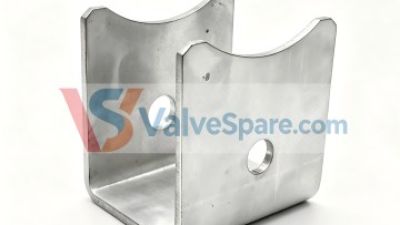
In the oil and gas industry, gate valves play a crucial role in maintaining the flow and control of fluids within pipeline systems. Their effectiveness relies heavily on their structural integrity, which can be significantly enhanced through the use of retainer plates. Optimizing the performance and reliability of manual gate valves, particularly the FLS API 6A models, is essential for ensuring safe and efficient operations. These retainer plates serve as vital components that support the valve structure, helping to mitigate wear and extending the overall lifespan of the equipment.
Precision-engineered retainer plates are designed to withstand the demanding conditions often encountered in oil and gas environments. By providing additional stability, they help maintain the proper alignment and function of gate valves, reducing the likelihood of operational failures. This critical enhancement not only improves performance but also reinforces reliability, allowing for more confident operation in high-stress scenarios. As the backbone of oil and gas infrastructure, the reliability of these valves ensures the uninterrupted flow of resources, ultimately supporting the efficiency of industry operations worldwide.
FAQS
PI 6A valve stems made of?
The right material influences durability and functionality, preventing costly failures.
Failures occur due to material incompatibility and poor installation practices.
Precision alignment is crucial to avoid leaks and operational issues.
Regular inspections can catch wear or corrosion before they cause failures.
Knowledgeable staff can detect early signs of failure, improving safety.
Lubrication and seal integrity are vital to maintain performance.
Neglecting proper torque specifications can lead to damage and leaks.
Evaluating successes and failures can refine future approaches and decisions.
It may lead to catastrophic failures and unexpected downtime in operations.
Conclusion
The article "Why Choose API 6A Valve Stem for Your Next Project?" examines the essential specifications and standards that govern API 6A valve stems, highlighting their critical role in industrial applications. It explores the advantages of utilizing API 6A valve stems, such as their robust design and reliability under high-pressure conditions. Key materials and durability factors are discussed, showcasing how these components outperform other valve types in various environments.
Furthermore, the article delves into best practices for installation and maintenance to ensure optimal performance and longevity of API 6A valve stems. It also analyzes the cost-effectiveness of these valve stems, illustrating their value through real-world applications and case studies. Overall, API 6A valve stems stand out as a superior choice for projects requiring high-quality and durable valve solutions.


 Contact Phone
 Contact Email