Leave Your Message
0%

Picking out the right Api6a Companion Flange isn’t just about the size number. It all starts with making sure it fits the wellhead or tree connection you're working with. Honestly, just knowing the nominal size isn't enough—things like the API 6A edition, pressure rating, flange facing style, and connection dimensions need to match what's on your equipment specs. Even if the bolt circle looks pretty close, that doesn't guarantee a perfect fit or a good seal. Details matter way more than you might think.

The actual service conditions you’re dealing with play a big role too. It’s super important to double-check the specified materials, temperature ranges, and any special project needs—especially if you're dealing with corrosive or sour environments. It’s best to talk with qualified engineers about these. Before you go ahead and buy, review the pressure design, gasket interface, bolt requirements, and inspection records from the manufacturer. Always ask for traceability info and certificates that match the actual part, not just a similar one from the same product family. Doing these checks helps you compare offers beyond just price and delivery times.

A good, practical approach also means verifying that the flange will actually work with the mating part and that it fits the installation setup. Take a close look at the dimensions provided on controlled drawings—and if there’s any mismatch, sort it out before you start assembling. Don’t just guess—especially when schedules are tight. Even experienced teams can overlook something small like facing differences or bolt hole layouts. Honestly, that’s why having a checklist is so handy—it helps reduce mistakes. But let’s be real, it’s no substitute for a detailed, project-specific engineering review. This guide will walk you through the questions you should be asking, the documents to review, and how to really evaluate suppliers, without assuming that every API 6A-marked flange will work perfectly for every situation.
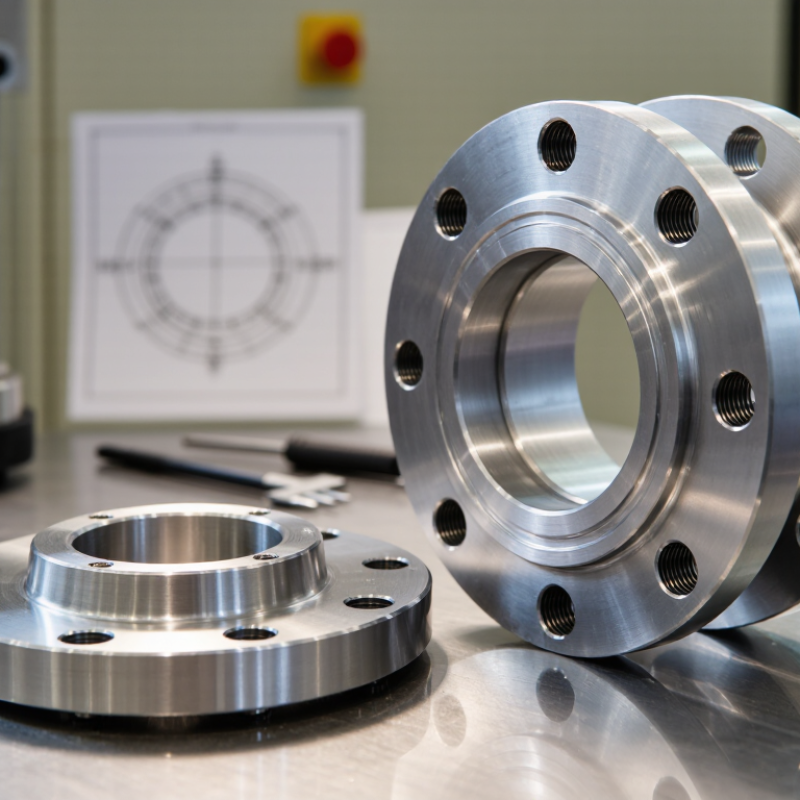
How to Choose an API 6A Companion Flange

Define the Function of an API 6A Companion Flange

An API 6A companion flange creates a bolted connection between wellhead or tree equipment and compatible piping or another component. It provides a defined interface, helping transfer pressure and mechanical loads across the joint. The sealing surfaces must match; many API 6A flange connections use a metal ring gasket seated in matching grooves. Fit matters. The flange is not just a bolt pattern. Bore size, pressure rating, facing, and material all affect whether the connection is suitable.

API Spec 6A, 21st edition, lists rated working-pressure classes from 2,000 to 20,000 psi in its technical tables. These figures are selection limits, not a guarantee that every assembled connection can handle the same pressure. Check the ratings of both mating components, along with the required product specification level and temperature range. An Api6a Weco Flange listing should be checked against the actual connection drawing, rather than selected by name alone. A small mismatch in groove dimensions or gasket type can compromise sealing. It is an easy detail to miss, especially when replacement parts look nearly identical.

Determine the Connection Type and Operating Requirements

How to Choose an API 6A Companion Flange
Determine the Connection Type and Operating Requirements

Start with the mating connection, not just the flange diameter. Check the flange face, ring-groove profile, ring-gasket number, bolt pattern, and bore against the equipment drawing. A small mismatch can prevent proper seating or create a leak path. Fit matters. API Spec 6A identifies nominal working-pressure classes including 2,000, 3,000, 5,000, 10,000, 15,000, and 20,000 psi. Confirm the required class from the system design and the flange’s marked rating; do not infer it from appearance.

Then assess the actual service: maximum operating pressure, temperature range, fluid, and pressure cycling. These conditions guide the material and temperature selections, as well as any corrosion or sour-service requirements. Do not guess. A companion flange that matches the connection may still be unsuitable for the operating environment. For an Api6a Blind Flange or other mating component, verify markings and dimensions against current drawings and the applicable API Spec 6A edition. Field records can be incomplete, and that is easy to overlook. If markings conflict with the drawings, pause and confirm the specification before installation.

How to Choose an API 6A Companion Flange: Connection Type and Operating Requirements

Match the flange connection and size to the mating equipment, then select a pressure rating that meets or exceeds the required working pressure. API 6A pressure classes shown below are nominal ratings; verify the applicable specification, temperature limits, materials, and equipment requirements before selection.

Pressure classes shown: 2,000, 3,000, 5,000, 10,000, 15,000, and 20,000 psi. The chart compares pressure classes only; it does not establish compatibility between connection sizes or designs.

Match the Flange Size, Pressure Rating, and Configuration

Choosing an API 6A companion flange starts with matching its nominal size and pressure rating to the connected equipment. Check the flange marking, equipment datasheet, and current connection drawing; do not rely on appearance alone. A flange can look close while its bore or bolt pattern differs. Small details matter. The selected rating should suit the operating conditions, and the complete connection is limited by its lowest-rated component.

Configuration matters just as much. Confirm the connection type and ring-groove profile, including whether the mating parts use a 6B or 6BX design. These profiles are not automatically interchangeable. Verify the gasket designation, bolt dimensions, and flange orientation against the equipment documentation. For a weld-neck style, also confirm the bore and welding-end dimensions before fit-up. A clean match on paper can still fail at the shop if one drawing uses an older revision.

Before installation, inspect the sealing surfaces and groove for dents, corrosion, or trapped debris. Check that the ring gasket is the specified type and sits evenly, without forcing it into place. Compare markings and measurements, then document any discrepancy for engineering review. It is tempting to move ahead when the parts seem nearly identical; that shortcut deserves a second look.

Select Materials for the Intended Service Conditions

Material selection starts with the actual well environment, not the flange’s nominal pressure alone. API Specification 6A, 21st edition, lists working-pressure ratings from 2,000 to 20,000 psi and defines material classes for different service conditions. Choose a companion flange whose class and rating match the specified pressure, temperature, and fluid exposure. A high rating does not automatically mean corrosion resistance.

For sour service, consult ISO 15156:2020, which addresses material suitability in environments containing hydrogen sulfide. Its guidance makes clear that cracking risk depends on conditions such as H₂S partial pressure, temperature, and acidity—not just the alloy name. Confirm the material’s heat treatment, hardness, and traceability against the project specification. Small details matter. A flange suitable for a dry gas line may not be suitable where wet H₂S or chlorides are present.

Check the gasket and bolting as part of the same materials review. An Api6a Flange Gasket must suit the service fluid, temperature, and flange-face finish; it cannot correct a mismatched flange material. In practice, paperwork can look complete while omitting a key operating condition. Recheck the design basis, especially for changing temperatures or mixed fluids. That extra review may feel repetitive, but it can reveal a material assumption worth revisiting.

Verify API 6A Compliance and Sealing Compatibility

How to Choose an API 6A Companion Flange

Verify API 6A compliance and sealing compatibility before comparing price or delivery time. Check the flange marking, inspection records, and material documentation against the required API 6A edition and equipment specification. Confirm pressure rating, temperature range, material class, and product specification level where applicable. A matching pressure rating alone is not enough. Dimensions, bore size, and facing details must also suit the mating equipment.

Then identify the required ring gasket and confirm that its type, dimensions, and material match both flange grooves. Inspect the groove surfaces for dents, corrosion, or handling marks; even a small defect can compromise sealing. Check that the selected gasket suits the service conditions, and verify installation requirements with the relevant equipment documentation. Keep traceability records for the flange and gasket, including material and inspection details. In practice, field measurements can reveal a mismatch that paperwork misses. That is easy to overlook. If markings are unclear or dimensions differ, pause and resolve the discrepancy before assembly rather than forcing a fit. API compliance and sealing compatibility must be verified together.

Review Manufacturing Quality and Product Documentation

How to Choose an API 6A Companion Flange

Review Manufacturing Quality and Product Documentation

A companion flange is only as dependable as its material record and inspection trail. Check that the nameplate and certificate identify the pressure rating, material grade, temperature class, and applicable API 6A requirements. The details must match the purchase specification. Small mismatches matter. A flange marked for one material class cannot be verified by a generic mill certificate alone. Request heat numbers linked to the finished part, material test results, dimensional inspection records, and evidence of required nondestructive examination. Confirm that the bore, facing, bolt holes, and sealing surface match the drawing. A polished surface can still hide an undocumented repair.

The ISO Survey 2022 recorded 1,265,216 valid ISO 9001 certificates worldwide. That figure shows the reach of quality-management systems, not proof that any individual flange is sound. Ask suppliers for their current quality-system certificate, scope, and issuing body, then review the actual inspection documents for your order. API Spec 6A defines requirements for wellhead and tree equipment; verify that the stated edition and product specification level fit the project. Records should be legible and traceable, not just present. One weak point: paperwork can look complete while lacking a clear link to the flange’s heat number. Check the link yourself. Keep the approved drawing and final records together for later maintenance or audit.

How to Choose an API 6A Companion Flange — Review Manufacturing Quality and Product Documentation

Review Area What to Confirm Useful Evidence Selection Guidance
Applicable specification Confirm the product is specified as an API 6A wellhead or tree component and identify the applicable edition and any purchaser requirements. Purchase specification, product data sheet, and the supplier’s stated standard and edition. Compare offers against the same specification and edition; requirements can differ between editions and purchase orders.
Pressure rating Verify the specified working pressure and ensure the flange, connected equipment, and pressure-containing assembly are compatible. Marked pressure rating, dimensional drawing, and order documentation. Select the rating required by the wellhead or tree design. Do not infer pressure capability from appearance or nominal size.
Connection and dimensions Check flange type, nominal size, bore, ring-groove details, bolt-hole pattern, and mating-interface dimensions against the intended connection. Controlled drawing and dimensional inspection report, including the relevant API 6A dimensional references. Match the complete connection configuration, not just the nominal size or pressure rating.
Material selection Confirm the specified material grade and suitability for the service environment, including any sour-service or corrosion-related requirements. Material test report (MTR) with heat identification and reported chemical and mechanical test results. Evaluate material against the purchase specification and applicable service requirements; do not assume a material grade from a generic description.
Material traceability Check that the component’s identification can be traced to its material heat and manufacturing records. Part markings, heat number, material records, and a traceability list linking the finished part to its records. Require consistent identification across the part, MTR, inspection records, and shipping documents.
Manufacturing and inspection Review how forging or other specified manufacturing processes, machining, and inspection are controlled for the ordered product. Manufacturing route or quality plan, inspection records, and applicable process-control documentation. Check that records cover the actual part and match the order’s inspection and acceptance requirements.
Non-destructive examination Determine whether NDE is required for the material, manufacturing route, service, or purchase order, and identify the required method and acceptance criteria. NDE reports identifying the part, examination method, procedure, and results; personnel qualification records where required. Do not assume a particular NDE method or extent applies to every flange. Confirm requirements in the governing specification and order.
Pressure testing Establish whether pressure testing applies to the component or assembled equipment, and verify the specified test conditions and acceptance criteria. Pressure-test procedure and report, when testing is required by the order or applicable requirements. Clarify the test boundary and responsibility; a component-level flange purchase may not include an assembly test.
Marking and identification Verify that required product identification and ratings are legible and consistent with the approved documentation. Photographs or inspection records of markings, plus the product data sheet and final inspection report. Check identification before installation and resolve any mismatch between markings and documents.
Quality-system and license claims Assess any claimed quality-system certification or API licensing separately from the technical conformity of the individual product. Current certificate or license details, scope, validity, and product-specific documentation, as applicable. Verify claims with the issuing organization when relevant. A certificate or license alone does not replace review of the part’s records.
Final documentation package Agree on the records required for delivery, such as drawings, MTRs, inspection reports, NDE results, and test records where applicable. Document index, final inspection release, and records linked to the part or heat identification. Make documentation deliverables and retention expectations explicit in the purchase order.

Note: Use the applicable API 6A edition, project specification, and purchase order to determine mandatory requirements. This checklist is a purchasing aid and does not replace engineering review or the governing documents.

Inspect and Install the Selected Companion Flange

Before installation, confirm the selected companion flange matches the wellhead connection, pressure rating, bore, material, and service conditions. Check the drawing and accompanying material records; a matching bolt pattern alone is not enough. The Api6a Adapter Flange should arrive with traceable documentation suited to the project requirements. Inspect the sealing face under good light. Look for dents, corrosion, raised metal, or debris in the ring groove. Check threads and mating dimensions, too. A clean face can still hide a small defect. Take a second look.

Keep protective covers in place until the connection is ready. Clean the flange faces with a lint-free cloth and use the specified gasket or ring; never reuse a damaged seal. Bring the flanges together squarely, without pulling misaligned piping into position with the bolts. Install compatible studs and nuts, then tighten them in the approved sequence and to the project’s specified values using suitable calibrated equipment. Do not guess at torque. After assembly, record the flange identification and inspection results. If a face or groove looks questionable, stop and ask a qualified inspector to assess it. It can feel slower, but rework is slower.

FAQS

What does a companion flange do?

It bolts wellhead or tree equipment to compatible piping or another component. It helps transfer pressure and mechanical loads across the joint.

What details should I check before selecting one?

Compare the bore, pressure rating, facing, bolt pattern, and ring-groove profile with the equipment drawing. Fit matters.

How do I confirm the pressure rating?

Check the flange markings and system design requirements. The complete connection is limited by its lowest-rated component, not just the flange.

Can 6B and 6BX connections be mixed?

Do not assume they are interchangeable. Confirm the profile, gasket designation, and dimensions against current equipment documents.

Why does the ring gasket need careful checking?

It must match the groove and sit evenly. A wrong gasket or small groove mismatch can create a leak path.

Which operating conditions affect flange selection?

Check maximum pressure, temperature range, fluid, and pressure cycling. Material and service requirements may depend on these conditions.

What should I inspect before installation?

Look for dents, corrosion, or debris on sealing surfaces and grooves. Confirm the gasket is correct; do not force it into place.

What if the markings do not match the drawings?

Pause and verify the specification before installation. Field records can be incomplete, and similar-looking parts can still differ. A second check helps.

Conclusion

Choosing an Api6a Companion Flange starts with understanding its role: it connects compatible equipment and helps create a secure pressure-containing joint. First, identify the required connection type and operating conditions, including pressure, temperature, and service environment. Then match the flange size, pressure rating, and configuration to the equipment and system requirements. These details help ensure the selected component fits correctly and performs as intended.

Material selection should reflect the fluids and conditions the flange will encounter. Confirm that the flange meets the applicable API 6A requirements and is compatible with the sealing method and mating components. Review manufacturing quality and supporting product documentation before making a final choice. Finally, inspect the flange for damage, verify dimensions and sealing surfaces, and follow appropriate installation procedures. Careful selection and installation support a reliable connection and help reduce the risk of leaks or premature wear.
Isabella

Isabella

Isabella is a seasoned marketing professional at a leading manufacturer specializing in high-performance wear-resistant components for the oil and gas industry. With a deep understanding of the intricate demands and challenges of this sector, she is dedicated to enhancing the company's outreach and......
Previous What Is an API 6A Lock Ring and How Does It Work?