Leave Your Message
0%

Selecting Api 6a Gate Valve Parts is a pressure-control decision, not a simple purchasing task. The American Petroleum Institute’s API Specification 6A defines requirements for wellhead and Christmas tree equipment, including pressure ratings, materials, testing, and traceability. Its 21st Edition also highlights the importance of consistent manufacturing controls. IOGP S-562, the industry supplement to API 6A, adds practical expectations for documentation, quality plans, and inspection records. These documents matter because a small mismatch can affect sealing performance at the gate, seat, stem, or body connection.

Details are physical. Check the bore diameter, PSL level, temperature class, material class, and flange dimensions. Confirm whether the replacement part matches the original pressure boundary. A part may look identical but use a different elastomer or heat-treatment process. That difference can appear only after cycling, pressure testing, or temperature exposure. As API 6A specialist Michael J. Economides states, “Well integrity begins with disciplined design, not emergency repair.” This principle supports careful verification before ordering Api 6a Gate Valve Parts.

Industry data reinforces the concern. The International Association of Oil & Gas Producers repeatedly links equipment reliability with traceability and documented quality assurance. Baker Hughes’ annual energy outlooks also show continuing investment in mature wells, where replacement compatibility becomes increasingly important. Yet reports do not answer every field question. They can simplify harsh realities. A catalog number alone is never enough. Review drawings, mill certificates, test reports, and service history together. A perfect checklist can still miss corrosion, previous repairs, or incorrect storage. That uncomfortable gap deserves attention.
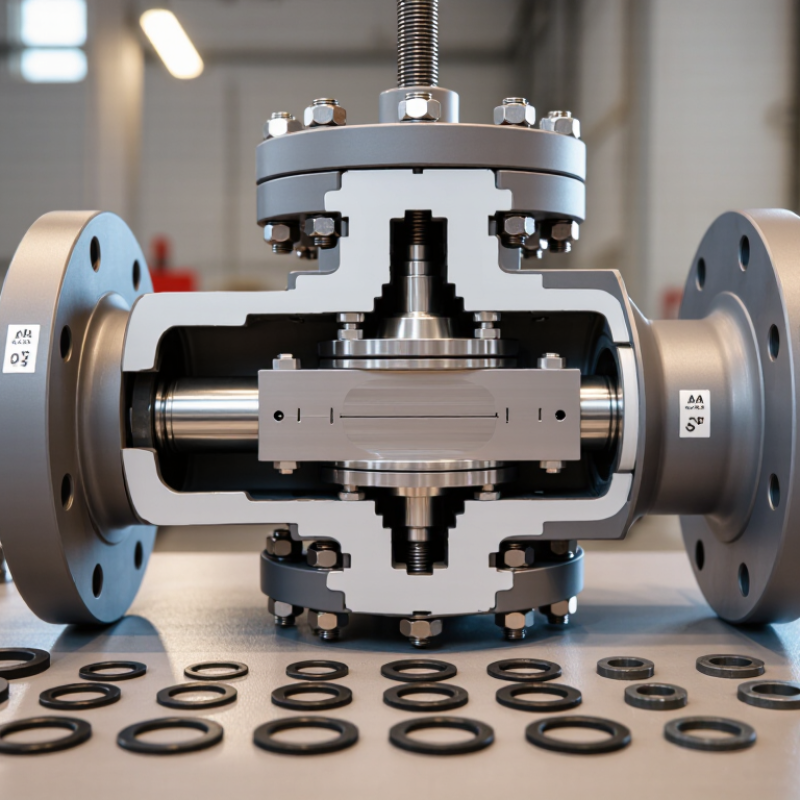
How to Choose API 6A Gate Valve Parts?

Understand the Role and Applications of API 6A Gate Valve Parts

How to Choose API 6A Gate Valve Parts?

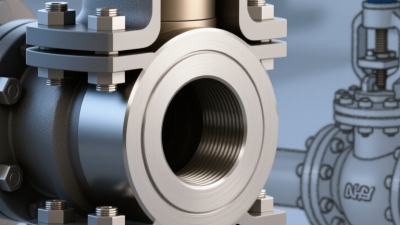
API 6A gate valve parts control flow in wellheads, Christmas trees, and high-pressure manifolds. The gate moves across the bore, while seats create the sealing surface. The stem transfers movement from the handwheel or actuator. The body and bonnet contain pressure during operation. Each part has a specific duty. Small errors can create serious leakage.

When selecting Api 6a Gate Valve Replacement Parts , confirm the valve size, pressure rating, temperature class, and material class. Check the required performance level and product specification level. These details affect the gate, seats, stem, seals, and bolting. A seal may look correct but fail under sour or high-temperature service. Review drawings, dimensional records, material certificates, and pressure-test results before installation. Traceability matters.

Field maintenance also requires careful inspection. Look for damaged sealing edges, stem scoring, corrosion, and uneven wear on the gate. Clean contact surfaces before fitting new parts. Do not force a mismatched seat into the body. That shortcut can distort the seal. It is easy to trust appearance too much. A better practice is to measure critical dimensions and compare them with approved records. Even experienced teams can miss a small tolerance issue during urgent repairs.

Identify the Required API 6A Specifications and Pressure Ratings

How to Choose API 6A Gate Valve Parts?

Choosing API 6A gate valve parts starts with matching the exact specification on the equipment nameplate. Check the nominal bore, connection type, pressure rating, temperature class, and material class. A 5,000 psi valve does not accept every 5,000 psi component. Dimensions and sealing profiles must also agree.

Pressure rating needs careful verification. API 6A commonly defines working pressures of 2,000, 3,000, 5,000, 10,000, 15,000, and 20,000 psi. Confirm whether the rating is working pressure or test pressure. They are not interchangeable. Review the required PSL and PR levels, especially for sour or high-temperature service. Material compatibility matters when hydrogen sulfide, carbon dioxide, or abrasive fluids are present.

Match each replacement part to the original assembly drawing. This includes the body, bonnet, gate, stem, seats, seals, ring gasket, and bolts. Measure critical dimensions instead of trusting appearance. A slightly different stem length can prevent full gate movement. Inspectors should request material certificates, heat numbers, pressure-test records, and traceability documents. These details support reliable decisions. They also expose weak documentation.

A pressure number alone is not enough. That lesson is easy to miss. Some selections fail because engineers focus on the valve body and overlook the gasket groove or temperature limit. Recheck the service conditions before ordering. When specifications conflict, stop and obtain a qualified technical review.

How to Choose API 6A Gate Valve Parts? - Identify the Required API 6A Specifications and Pressure Ratings

Use the following specification checklist to select compatible API 6A gate valve bodies, bonnets, gates, stems, seats, seals, actuators, and pressure-containing accessories. All selected parts should match the valve's original API 6A design, applicable edition, and certified configuration.

Selection Dimension API 6A Specification or Rating Common Valid Options Parts and Assemblies Affected Selection Check
1. Pressure, Size, and Connection Requirements
Nominal Size API 6A nominal bore designation 1 13/16 in 2 1/16 in 2 9/16 in 3 1/8 in 4 1/16 in 4 1/2 in 5 1/8 in 7 1/16 in Body, bonnet, gate, seats, stem, seals, bore-reducing components, and actuator interface Confirm the exact nominal size stamped on the valve body and verify that replacement parts use the same bore geometry.
Rated Working Pressure API 6A nominal working pressure, expressed in psi 2,000 psi 3,000 psi 5,000 psi 10,000 psi 15,000 psi Pressure-containing body, bonnet, end connector, gate, seats, stem, and pressure seals Never substitute a lower-rated part. The complete pressure boundary must meet or exceed the valve's specified working pressure.
Pressure Class and End Connection API 6A pressure rating must be combined with the correct connection type Flanged Studded Hub Clamp Flanges, hubs, clamps, studs, nuts, ring grooves, ring gaskets, and connection adapters Match the pressure rating, nominal size, face-to-face dimensions, bore, bolt or stud pattern, and sealing arrangement.
Ring Gasket and Sealing Groove API 6A ring-type joint configuration R Series RX Series BX Series Metal ring gasket, flange or hub groove, gasket-retaining features, and connection seals Use the exact ring-gasket type and size specified for the connection; do not mix incompatible groove and gasket profiles.
2. Product Specification Level and Performance
Product Specification Level (PSL) API 6A PSL defines increasing documentation, inspection, testing, and quality-control requirements PSL 1 PSL 2 PSL 3 PSL 4 Material certificates, heat treatment, dimensional inspection, nondestructive examination, pressure testing, and traceability records Replacement parts should meet the same PSL as the valve assembly or the higher level required by the well or production specification.
Performance Requirement (PR) API 6A performance qualification level for applicable equipment PR1 PR2 Valve body, gate, seats, stem, sealing system, and the complete pressure-control assembly when performance qualification applies PR2 requires the applicable additional performance testing defined by API 6A. Confirm that the replacement design has the required qualification.
Temperature Rating API 6A temperature class selected according to the minimum and maximum service temperature K L P R S T U V Elastomer seals, metal seals, lubricants, body materials, stem packing, seat inserts, and actuator components Choose the temperature class from the actual minimum and maximum operating temperatures, including start-up, shutdown, and well-control conditions.
Material Class API 6A material class for pressure-containing and pressure-controlling parts AA BB CC DD EE FF HH Body, bonnet, gate, stem, end connectors, bolting, pressure-retaining parts, and corrosion-resistant components Confirm the required material class against produced-fluid chemistry, hydrogen sulfide exposure, chlorides, carbon dioxide, and applicable sour-service requirements.
3. Gate Valve Part Compatibility
Gate and Seat Design Valve-specific gate and seat arrangement Slab gate Expanding gate Through-conduit design Gate, seat rings, seat carriers, seat seals, gate guides, and body internal surfaces Match the original design, bore profile, seat orientation, pressure-energized features, and bidirectional or unidirectional sealing requirement.
Stem and Bonnet Interface Stem geometry and bonnet connection must match the valve design Rising stem Non-rising stem Threaded connection Bolted connection Stem, stem shoulder, bonnet, stem seal, packing, thrust components, and operating nut Check stem diameter, thread form, travel, shoulder dimensions, seal arrangement, and bonnet fit before ordering.
Seal and Elastomer Compatibility Seal materials must be suitable for the API 6A temperature class and service fluid Nitrile-based elastomer Fluoroelastomer Aflas-type elastomer Metal seal Seat seals, stem seals, bonnet seals, body seals, O-rings, backup rings, and valve packing Verify temperature, gas decompression resistance, chemical compatibility, sour-service suitability, and storage age requirements.
Actuation and Operating Torque Manual or powered operation must provide sufficient closing and opening torque Handwheel Gear operator Hydraulic actuator Pneumatic actuator Stem, operating nut, handwheel, gearbox, actuator, mounting bracket, and travel stops Calculate torque at the maximum differential pressure and confirm stem thrust, actuator output, fail position, and travel compatibility.
Test and Documentation Requirements API 6A inspection, pressure-test, traceability, and certification records Material certificates Heat-treatment records Dimensional report Pressure-test report NDE records All pressure-containing and pressure-controlling replacement parts Request documented evidence of API 6A conformity, material traceability, applicable PSL and PR level, and test results before installation.
4. Practical Selection Sequence
Recommended Identification Sequence Identify the complete valve specification before selecting individual parts 1. Size and connection
2. Working pressure
3. PSL and PR
4. Temperature class
5. Material class
6. Gate and seat design
Complete valve assembly and every replacement component Use the valve nameplate, body markings, original drawings, equipment data sheet, and inspection records to confirm every field.
Important: API 6A pressure ratings, temperature classes, material classes, PSL levels, PR levels, dimensions, and testing requirements must be verified against the applicable edition of API Specification 6A and the specific valve manufacturer's certified design. A component should not be installed solely because its nominal size appears identical.

Select Suitable Materials for Each Gate Valve Component

How to Choose API 6A Gate Valve Parts?

Select materials by service conditions, not by appearance or price. API Specification 6A lists working pressure classes from 2,000 to 20,000 psi. That range changes the required body, bonnet, and gate strength. Forged alloy steel is often suitable for high-pressure bodies, while stainless steel may better resist corrosive produced fluids. The choice must match temperature, pressure, chlorides, hydrogen sulfide, and expected cycling.

The gate and seat need different thinking. A hardened stainless overlay can reduce galling during repeated operation. Tungsten carbide coatings may resist erosion from sand-bearing flow. For sour service, ISO 15156 requires material selection and hardness control based on hydrogen sulfide exposure.

Elastomer seals also need verified temperature and chemical compatibility. A seal that survives pressure may still swell in aromatic fluids. Small failures matter.

Field inspection adds practical evidence. Check material certificates, heat treatment records, hardness readings, and coating thickness before assembly. API 6A also uses product specification levels and performance requirements to control manufacturing quality. Do not treat them as paperwork. They affect traceability.

A perfect material chart is impossible. Actual fluid chemistry can change. I would review operating history, not only the design sheet. One overlooked chloride spike may defeat an otherwise careful selection. Testing should reflect real pressure cycles, temperature changes, and debris exposure. That is where engineering judgment remains necessary.

Check Compatibility with Wellhead and Christmas Tree Equipment

How to Choose API 6A Gate Valve Parts?

Compatibility with wellhead and Christmas tree equipment should guide every API 6A gate valve parts decision. A replacement part may look identical yet fail during pressure testing. Check the valve bore, flange size, pressure rating, temperature class, and material specification. Confirm the part matches the equipment’s PSL and PR requirements. Small differences matter.

For Api 6a Fire-Safe Gate Valve Replacement Parts, review the valve drawing and original data plate before ordering. Match the stem diameter, bonnet connection, gate design, seals, and operating mechanism. Check whether the valve uses manual, hydraulic, or pneumatic actuation. The stem may fit, but the actuator connection may not. That mistake wastes time.

Field technicians often inspect flange faces, bolt patterns, and seal grooves before installation. They also compare metal grades and hardness, especially in sour or highly corrosive service. Fire-safe performance requires more than a heat-resistant seal. The complete valve assembly must meet the specified fire-test requirements. Ask for traceable material records and inspection reports. Do not rely on a supplier’s photograph.

Cleanliness is easy to overlook. Fine debris can damage sealing surfaces during pressure testing. In practice, part selection sometimes becomes rushed after a shutdown begins. That is when a second review helps. Recheck dimensions against the wellhead and Christmas tree drawings, even when the replacement appears familiar.

How to Choose API 6A Gate Valve Parts?

Check that replacement parts match the wellhead or Christmas tree equipment in working pressure, nominal bore, PSL level, material class, and temperature rating. The chart shows the standard API 6A working pressure classes used when confirming pressure compatibility.

Select parts with a rated working pressure equal to or greater than the equipment rating, while also verifying the exact connection size, end-to-end dimensions, sealing arrangement, PSL, material class, and temperature range shown on the equipment documentation.

Evaluate Sealing, Actuation, and Operating Requirements

How to Choose API 6A Gate Valve Parts?

Choosing API 6A gate valve parts requires more than matching dimensions. Sealing, actuation, and operating conditions must work together. Start with the valve’s pressure class, bore size, temperature range, and fluid properties. A seat exposed to abrasive particles may need stronger wear resistance. Sour or corrosive service demands carefully verified material compatibility.

High Quality Api 6a Gate Valve Seat Replacement Parts should match the gate, body, and sealing geometry precisely. Even a small mismatch can cause leakage, uneven loading, or difficult operation. Check elastomer temperature limits and metal sealing surfaces. Confirm test records, material certificates, and traceability before installation. A visual inspection is useful, but it cannot replace pressure testing.

Actuation also affects reliability. Select manual, hydraulic, or other suitable actuation based on torque, cycle frequency, remote control needs, and available energy. The actuator must overcome friction without overstressing the stem. Operating temperature can change lubricant behavior and seal performance. Keep access for inspection and emergency maintenance in mind.

Real maintenance reviews often reveal overlooked details. Dirt under a seat can imitate a defective part. Misalignment can look like actuator failure. I would not approve a replacement from dimensions alone. Verify drawings, service history, and manufacturer documentation together. One more check helps. It may prevent a costly shutdown.

Verify Quality, Certification, and Supplier Support Before Purchase

Choosing API 6A gate valve parts starts with evidence, not a polished catalog photograph. Ask for current certificates, material test reports, heat numbers, dimensional records, and pressure-test results. For Api 6a Wellhead Valve Trim Parts, match every document to the part number and purchase order. A familiar logo is not proof. Traceability matters.

Confirm the applicable API 6A edition and product specification level before purchase. Check whether the trim material suits fluid chemistry, temperature, pressure, and expected operating cycles. A certificate without traceability is weak evidence. Inspect gates, stems, seats, seals, and connection surfaces for finish and damage. Independent inspection can reveal problems that paperwork misses. It may add time, but replacement work costs more.

Supplier support shows quality after delivery. Request clear lead times, spare-part identification, installation guidance, inspection records, and a responsive technical contact. Ask how nonconforming parts are investigated and replaced. Reliable suppliers explain limitations instead of promising everything. This is often overlooked. One practical question is whether the supplier can support urgent field verification without delaying essential work. If answers remain vague, pause the order and reassess the risk.

FAQS

Which specifications should I confirm before selecting API 6A gate valve parts?

Check nominal bore, connection type, pressure rating, temperature class, and material class. Confirm the required PSL and PR levels. Match the original nameplate exactly.

Are working pressure and test pressure interchangeable?

No. They describe different conditions. Common working ratings include 2,000 to 20,000 psi. Verify the specified rating before ordering.

Why must I compare parts with the original assembly drawing?

Drawings show critical dimensions and sealing profiles. A slightly different stem length can stop full gate movement. Appearance can mislead.

How can I check compatibility with wellhead equipment?

Compare bore, flange size, bolt pattern, pressure rating, and temperature class. Check bonnet connections, actuator interfaces, and seal grooves. Small differences matter.

What should I inspect before installing replacement parts?

Inspect gates, stems, seats, seals, flange faces, and connection surfaces. Remove fine debris from sealing areas. Cleanliness matters during pressure testing.

Which materials suit sour or corrosive service?

Review compatibility with hydrogen sulfide, carbon dioxide, abrasive fluids, and operating temperature. Confirm material grades and hardness. Do not guess.

What documents should I request from the supplier?

Request material certificates, heat numbers, dimensional records, pressure-test results, and traceability documents. Match every record to the part number and order.

What does reliable supplier support include?

Look for clear lead times, installation guidance, inspection records, spare-part identification, and technical contact details. Ask how nonconforming parts are handled. Vague answers deserve another review.

Conclusion

Choosing the right Api 6a Gate Valve Parts requires a clear understanding of their role in wellhead and Christmas tree systems, including the pressure-control, isolation, and flow-management demands of each application. Begin by confirming the required API 6A specifications, pressure ratings, size, temperature range, and connection details. Then select suitable materials for the body, gate, stem, seats, seals, and other components according to the working fluid, corrosion risks, temperature, and expected service conditions.

Compatibility is equally important, so verify that each part matches the existing equipment and operating environment. Evaluate sealing performance, actuation method, operating frequency, maintenance needs, and available space before purchase. Finally, review inspection records, testing results, traceability, certification, and supplier support. A reliable supplier should provide clear technical documentation, consistent quality control, replacement guidance, and responsive after-sales assistance. This systematic approach helps ensure safe operation, dependable performance, and longer service life for the complete valve assembly.

Isabella

Isabella

Isabella is a seasoned marketing professional at a leading manufacturer specializing in high-performance wear-resistant components for the oil and gas industry. With a deep understanding of the intricate demands and challenges of this sector, she is dedicated to enhancing the company's outreach and......
Previous How to Choose API 6A Valve Components?