Leave Your Message
0%

So, when you're picking an API 6A gate valve seat, honestly, the well itself should be your starting point—not flipping through the product catalog. You've gotta think about the pressure, temperature, what's in the fluid, how abrasive it is, and how often you're cycling the valve. Like, a seat that works great in clean produced water? It might barely last a shift in a high-pressure, sandy environment.

Philip L. Skousen, who's pretty well-known in the valve industry, once said something that really sticks: “Pick the valve for the job, not just because it's in the catalog.” That advice couldn't be more spot-on when you're choosing an API 6A valve and valve seat. You really need to dig into the API 6A pressure ratings, check the PSL requirements, think about PR levels, make sure the materials are compatible, and look at documented test results. It sounds like a lot, but honestly, it's worth the effort to get it right. You know, it's also worth asking them to confirm what kind of seat they're using — soft seat, metal seat, or maybe a combination of both. These little things can make a big difference, honestly. Take a close look at the seat insert, how the stem connects, the body cavity, and the sealing surfaces. And don't forget to ask for traceable material certificates and clear temperature ratings. Oh, and one more thing: ask them how they test for leakage after pressure cycling — and see if they explain it in plain English, not just jargon. A supplier you can trust will walk you through all this without getting defensive or hiding behind technical terms. The truth is, you’ll rarely find a perfect choice here — it’s all about weighing your options.

You know, things don't always go as planned in the field. Unexpected solids, sudden pressure spikes, or just plain neglecting maintenance can throw a wrench into even the best seat choice. That's a hard truth we can't ignore. So when you're picking one, you've got to factor in real-world operating conditions—not just the ideal ones—plus how easy it is to inspect, whether you can get spare parts without a headache, and what the manufacturer's track record actually looks like. Sure, a cheaper seat might seem tempting upfront, but if it fails and you have to shut down the rig to replace it, that 'bargain' can end up costing you a fortune. In this guide, we’re going to get into the practical factors that really matter when you’re comparing Api6a Gate Valve Seat designs. By the end, you’ll be able to weigh your options with a lot more confidence and way fewer assumptions—no more guessing games.
How to Choose the Right API 6A Gate Valve Seat?

API 6A Gate Valve Seat Function and Operating Principles

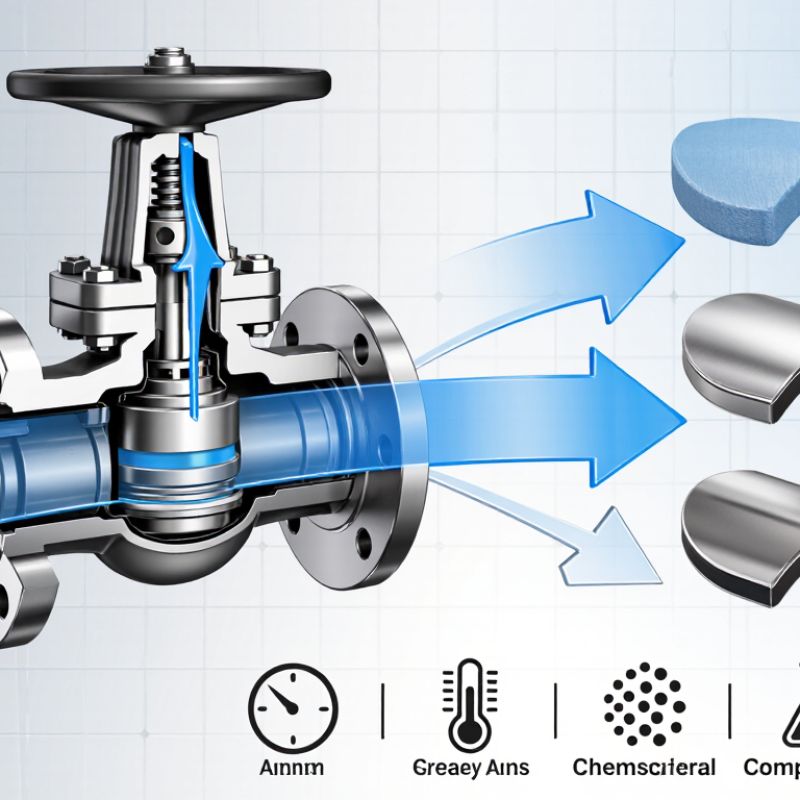
An API 6A gate valve seat is more than a replaceable ring. It forms the pressure seal around the gate and limits leakage when the valve closes. During operation, the stem moves the gate across the seat bore. The gate should travel without scraping or wedging. Small alignment errors matter. They can create uneven contact and accelerate wear. In field inspections, technicians examine scoring, erosion, and damaged sealing edges. Clean surfaces are essential. Even fine grit can prevent reliable shutoff.

Seat design determines how pressure supports sealing. In a pressure-energized arrangement, upstream pressure pushes the seat against the gate. Higher pressure can improve contact, but only when clearances and materials are correct. Some designs seal in both directions, while others depend on a defined flow direction. This distinction affects installation and testing. A cavity-relief path may also prevent trapped pressure from overstressing the valve body. Never assume a similar-looking seat works the same way.

Choosing the right seat requires pressure rating, temperature, fluid composition, gate geometry, and cycling frequency. Metal seats tolerate heat and abrasive service better. Resilient inserts may provide tighter low-pressure sealing. Neither option is universally superior. Check qualification records, dimensional tolerances, and documented test results against API 6A requirements. Ask how the seat behaves after repeated cycles, not only when new. A practical review includes bore dimensions, surface finish, and contact patterns. We sometimes overvalue nominal pressure and overlook thermal expansion. That mistake may appear only after the valve heats up. Record actual service conditions before approving a replacement.

Key Pressure, Temperature, and Fluid Conditions to Assess

How to Choose the Right API 6A Gate Valve Seat?

Selecting an Api6a Gate Valve Seat starts with the valve’s pressure class and operating pressure. Do not size from normal pressure alone. A wellhead may experience sudden pressure spikes during testing, startup, or shut-in conditions. Check the rated working pressure, test pressure, and pressure-temperature limits together. The seat must maintain sealing force without excessive friction or deformation. Small gaps can become serious leak paths.

Temperature changes the decision quickly. Hot production fluids can harden, soften, or swell certain seat materials. Cold service may reduce flexibility and weaken sealing contact. Record the minimum, normal, and maximum temperatures, including short thermal surges. I have seen specifications overlook cleaning cycles and steam exposure. That omission later caused premature seat damage. It deserves a second review.

Fluid conditions require equal attention. Identify water cut, sand, sour components, hydrocarbons, chemicals, and solid particles. Abrasive sand can score the seating surface during repeated valve movement. Corrosive fluids may attack both the seat and nearby metal surfaces. Ask for material compatibility data, pressure testing records, and documented quality controls. Also confirm whether the valve remains reliable after repeated cycles. Laboratory results help, but field conditions are rarely perfect. A seat that works in clean test fluid may struggle with dirty, high-velocity production. Assess the whole operating picture, not one impressive specification.

How to Choose the Right API 6A Gate Valve Seat?

Pressure class is the first screening factor for an API 6A gate valve seat. The chart shows the standardized API 6A nominal working-pressure classes. Final seat selection must also verify temperature range, fluid chemistry, solids content, and decompression risk.

Pressure Select a seat and valve body qualified for the required API 6A working-pressure class, including pressure testing and differential-pressure conditions.
Temperature Check the complete operating and transient temperature range. Low temperatures can reduce elastomer flexibility, while high temperatures accelerate aging and loss of sealing force.
Fluid Conditions Assess hydrocarbons, sour gas, water, aromatic content, chemicals, sand, H2S, CO2, and rapid gas decompression exposure before approving the seat material.

Pressure classes shown: API 6A nominal working-pressure ratings in psi. Seat qualification should be confirmed against the applicable API 6A edition, temperature rating, fluid compatibility, and service-specific requirements.

Selecting Seat Materials for Service Compatibility

Choosing an API 6A gate valve seat starts with the fluid, not the catalog drawing. Pressure and temperature define the design envelope, but chemistry often determines seat life. A clean oil stream may suit an engineered polymer seat. Gas containing abrasive solids demands greater wear resistance. Small details matter.

For the Api6a Slab Gate Valve Seat, review hydrocarbon compatibility, pressure cycling, and decompression risk. Elastomer seats can seal well, yet rapid gas decompression may damage them. PTFE-based materials resist many chemicals, but temperature limits and cold flow require attention.

PEEK and similar high-performance polymers may tolerate heat and extrusion better. Metal seats can handle severe heat and particles, though they require accurate machining and clean contact surfaces.

For sour service, confirm suitability for the specified H2S environment and qualification requirements.

Use actual operating data, including startup, shutdown, and pressure equalization rates. Ask for test evidence at the intended pressure, temperature, and fluid conditions. Do not rely on hardness alone. A harder seat is not automatically better. Field reviews often change after measuring sand content and thermal cycling.

One weakness in many selections is assuming clean fluid conditions. That assumption deserves challenge. Also check dimensional control, inspection records, and traceability against applicable API 6A requirements.

Comparing Metal, Soft, and Dual-Seal Seat Designs

How to Choose the Right API 6A Gate Valve Seat?

Seat selection begins with the fluid, not the catalog drawing. Metal seats suit abrasive sand, high temperatures, and frequent pressure cycling. They tolerate damage better, but they may allow more leakage after erosion. Soft seats usually provide tighter shutoff at moderate temperatures. Their weakness is swelling, extrusion, or chemical attack. Dual-seal designs combine a soft sealing element with a metal backup. They can improve reliability during pressure changes, but their complexity demands careful maintenance.

Demand remains high. The International Energy Agency’s Oil 2024 report projects global oil demand to reach 105.4 million barrels per day by 2030. OPEC’s World Oil Outlook 2024 projects about 116 million barrels per day by 2045.

More production means more severe and varied valve service. API Specification 6A requirements should be checked alongside temperature class, material class, pressure rating, and PSL level. Seal geometry alone proves little.

Field lesson:

Sand can destroy a soft seat quickly. Clean, hot service can expose a different weakness in elastomers. Dual seals sound safest. Not always. They may complicate inspection and replacement.

Review actual well data, including solids content, H₂S exposure, CO₂, temperature swings, and closure frequency. A practical selection matrix is useful, but it should not replace application testing. That choice is rarely perfect.

Checking API 6A Standards, Ratings, and Manufacturing Quality

Choosing the right Api6a Gate Valve Trim Seat starts with the service conditions, not the catalog photograph. Check the required API 6A pressure rating, temperature class, material class, and product specification level. The seat must match the valve body, gate, and sealing system. Small mismatches can cause leakage or difficult operation.

Ask for clear manufacturing records. Material certificates, heat numbers, dimensional reports, and documented pressure tests should follow the component from raw material to final inspection. For sour or corrosive service, verify the selected alloy and hardness against the applicable requirements. Do not guess. A reliable manufacturer should explain its inspection points, calibration controls, and nonconformance process without vague answers.

Manufacturing quality is visible in details. Look for smooth sealing surfaces, consistent machining, clean edges, and controlled packing. I have seen drawings pass review while the finished seat showed uneven contact marks. That detail matters. A checklist can still miss practical fit. Request sample inspection data, confirm traceability, and review how the supplier handles repairs or rejected parts. The cheapest seat may become expensive after installation, especially when pressure testing exposes poor alignment. Fit matters. Even a compliant part needs careful verification for the actual operating environment.

How to Choose the Right API 6A Gate Valve Seat? - Checking API 6A Standards, Ratings, and Manufacturing Quality
Selection Dimension Relevant API 6A Item Typical Standardized Data Seat Selection Implication Quality Verification
Pressure Rating API 6A rated working pressure 2,000; 3,000; 5,000; 10,000; 15,000; or 20,000 psi Select a seat and body design qualified for the complete valve pressure rating. A seat should not be selected only by nominal bore. Confirm the pressure rating on the valve nameplate, product data sheet, design documentation, and pressure-test records.
Nominal Bore API 6A nominal valve bore designation Common sizes include 1 13/16, 2 1/16, 2 9/16, 3 1/8, 4 1/16, 5 1/8, 7 1/16, 9, and 11 in. The replacement seat must match the exact valve bore, seat-pocket geometry, gate profile, and sealing arrangement. Check dimensional drawings, controlled part drawings, inspection reports, and the valve serial-number traceability file.
Temperature Range API 6A temperature class Common operating ranges extend from approximately −46 °C to +121 °C; higher-temperature classes may extend to approximately +177 °C or above, depending on the qualified design. Choose seat materials whose pressure-temperature capability, thermal expansion, and chemical resistance are qualified for the specified class. Verify the marked temperature class, material qualification, elastomer compound range, and documented high- and low-temperature testing.
Product Specification Level PSL 1 to PSL 4 PSL 1, PSL 2, PSL 3, and PSL 4 Higher PSL requirements increase control over manufacturing, inspection, documentation, and testing. The seat assembly must be included in the qualified valve configuration. Review the certificate of conformity, inspection and test plan, material certificates, NDE records where applicable, and final test results.
Performance Requirement PR 1 or PR 2 PR 1: standard performance qualification; PR 2: additional performance qualification for specified operating conditions. For demanding service, select a seat design covered by the required PR qualification rather than relying only on a pressure-holding test. Request the applicable performance qualification report and verify that valve size, pressure rating, temperature, seat design, and test medium match the supplied configuration.
Material Class API 6A material class Common classes include AA, BB, CC, DD, EE, and FF; the selected class depends on the service environment and corrosion requirements. Seat, gate, body, and auxiliary sealing materials must be compatible with the selected material class and production-fluid chemistry. Check heat or batch traceability, chemical analysis, mechanical properties, hardness, heat treatment, and corrosion-related qualification documents.
Seat Construction Manufacturer-qualified design within API 6A valve requirements Common arrangements are resilient-seat, metal-seat, or combined metal-and-resilient sealing systems. Resilient seats are generally selected for tight shutoff and lower operating torque; metal seats are considered for severe temperature, erosion, abrasive particles, or fire-related service requirements. Confirm the seat design drawing, leakage acceptance criteria, fire-test qualification where required, and compatibility with the gate and body materials.
Fluid Compatibility Service-fluid and environmental compatibility Consider H₂S, CO₂, chlorides, water, hydrocarbons, completion fluids, sand, temperature, and pressure cycling. Elastomer swelling, decompression damage, chemical attack, erosion, and loss of interference can cause seat leakage or high operating torque. Compare the seat compound and metallic materials with the approved fluid-compatibility assessment and operating envelope.
Sour-Service Use Applicable sour-service material requirements For H₂S-containing service, material selection and hardness control should follow the project-specified sour-service requirements, commonly including NACE MR0175/ISO 15156 where applicable. Do not use a standard seat material solely because it fits dimensionally. Confirm resistance to sulfide stress cracking, hydrogen damage, and chemical degradation. Review hardness results, material certificates, heat-treatment records, and the documented sour-service compliance statement.
Leakage Control API 6A valve pressure and seat-test requirements Testing normally includes body and seat pressure tests using the pressure, duration, and acceptance criteria applicable to the specified configuration. The correct seat must maintain shutoff performance after pressure cycling, temperature exposure, and operation through the full gate stroke. Check hydrostatic and gas-test records where specified, test pressure, hold time, leakage result, test medium, and calibrated-gauge identification.
Operating Torque Valve operating performance Torque is design-dependent and varies with pressure, temperature, differential pressure, seat interference, lubrication, and contamination. A seat with excessive interference may increase torque and actuator load; insufficient interference may cause leakage or extrusion. Verify torque curves or operating-test results at relevant pressure conditions and compare them with actuator or operator capacity.
Erosion and Abrasion Service-specific design qualification Solid particles, sand, scale, and high-velocity flow can damage seating surfaces and lead to leakage. For abrasive service, consider erosion-resistant metallic seating surfaces, protected seat pockets, suitable flow velocity, and debris-management practices. Inspect seating surfaces for scratches, washout, galling, and dimensional loss. Review material hardness and any erosion qualification data.
Manufacturing Tolerances Controlled design and manufacturing process Critical dimensions include seat outside diameter, inside diameter, axial thickness, sealing-lip geometry, interference, and gate-contact dimensions. Seat dimensions must match the approved drawing and the mating valve components; interchangeable appearance does not prove interchangeability. Use calibrated gauges or CMM inspection, record actual dimensions, and verify revision-controlled drawings and inspection status.
Surface Finish Sealing-surface manufacturing quality The required finish is design-specific and should be stated on the approved drawing or specification rather than assumed from a generic value. Inadequate finish, waviness, tool marks, or damage on the seat or gate can create leakage paths and accelerate wear. Review surface-finish measurements, visual inspection, dimensional inspection, and records for lapping or finishing operations.
Traceability Manufacturing and documentation control Traceability should link the seat to the material batch, manufacturing route, inspection records, and final valve assembly. Traceability reduces the risk of installing an incorrect compound, heat treatment, size, pressure class, or revision level. Require part marking or controlled identification, material certificates, batch records, inspection reports, and assembly records.
Storage and Installation Preservation and assembly control Seats should be protected from ultraviolet light, ozone, excessive heat, contamination, deformation, and improper compression during storage and installation. Even a correctly designed seat can fail prematurely if it is stored beyond its qualified shelf life, installed with damaged sealing surfaces, or assembled without the specified lubricant. Check storage conditions, shelf-life controls, installation procedures, lubricant compatibility, and post-assembly functional testing.
Important: API 6A defines valve equipment requirements, ratings, qualification levels, materials, testing, and documentation controls; it does not provide one universal seat material or one universal seat geometry for every gate valve. Final seat selection must be based on the valve’s exact size, pressure rating, temperature class, PSL, PR, material class, fluid chemistry, and manufacturer-qualified design.

Verifying Seat Performance Through Testing and Maintenance Planning

How to Choose the Right API 6A Gate Valve Seat?

Seat performance should be verified under conditions that resemble the wellhead, not only in a clean workshop. For an Api6a Metal Seat Gate Valve , confirm pressure class, temperature range, material compatibility, and expected operating cycles. A metal seat may tolerate heat and abrasive particles, but it still needs correct surface finish and controlled closing force.

Test records should show shell and seat pressure testing, test duration, pressure stability, and any visible leakage. Witness the pressure gauge during testing. A small pressure drop may indicate trapped air, temperature change, or seat damage. The cause must be checked, not guessed. Use calibrated instruments with current certificates, and record valve position, medium, and ambient temperature. Testing at both low and high pressure can reveal different sealing behavior.

Maintenance planning should follow service severity rather than a convenient calendar date. Review cycle counts, sand production, pressure spikes, corrosion evidence, and previous leakage reports. Inspect the seat and gate during planned shutdowns, especially after abnormal operation. Clean sealing surfaces carefully; careless tools can create scratches that appear later as leakage. A useful plan also defines replacement limits, torque checks, spare-seat storage, and acceptance criteria. However, a perfect report can still hide a weak assumption. Recheck the plan when field conditions change.

China Bearing Cap O-Ring Suppliers for Type FC and FLS Gate Valves: Quality Factory Seal Selection Guide

For Type FC and FLS gate valves, the bearing cap O-ring is a small component with a major influence on sealing reliability, maintenance intervals, and protection against external contamination. A qualified China-based factory should therefore control compound formulation, dimensional tolerances, surface finish, and batch traceability. Products manufactured in line with ISO 3601 principles can provide consistent groove fit and compression, while material selection should reflect temperature, pressure, fluid compatibility, and service conditions.

Industry data reinforces the value of dependable elastomer sealing. The U.S. Department of Energy reports that compressed-air leakage can waste approximately 20–30% of a system’s output, highlighting how minor sealing defects can create substantial operational losses. In valve applications, an accurately manufactured bearing cap O-ring helps reduce leakage risk, unplanned inspection, and premature replacement. Compliance-oriented production aligned with API 6D valve-service expectations further supports dependable performance in demanding pipeline and industrial environments.

A modern Chinese supplier can combine rigorous quality control with efficient production and a strategically located Houston warehouse. This supply model shortens delivery cycles, reduces logistics and overhead costs, and creates meaningful savings without compromising material quality. Each O-ring should be inspected for hardness, dimensions, elasticity, and visual defects before shipment, giving maintenance teams a reliable replacement option for Type FC and FLS gate valves.

FAQS

What is the main function of a gate valve seat?

It forms a pressure seal around the gate. It limits leakage when the valve closes. Clean contact matters.

How does the gate move during operation?

The stem moves the gate across the seat opening. The gate should travel smoothly, without scraping or wedging.

How can small alignment errors affect performance?

Minor errors create uneven contact. They can accelerate wear and damage sealing edges. Small gaps become leak paths.

How does pressure support sealing?

In some designs, upstream pressure pushes the seat against the gate. Higher pressure may improve contact. Only sometimes.

Do all seats seal in both directions?

No. Some seats seal both ways, while others require a defined flow direction. Installation and testing must follow the design.

What conditions should guide seat selection?

Check pressure class, test pressure, temperature, fluid composition, gate geometry, and cycling frequency. Do not rely on normal pressure alone.

How do temperature changes affect seat materials?

Heat can soften, harden, or swell some materials. Cold conditions may reduce flexibility. Include cleaning cycles and short thermal surges.

What fluid details deserve special attention?

Review water, sand, corrosive components, hydrocarbons, chemicals, and solid particles. Sand can score the seating surface during repeated movement.

How should a replacement seat be inspected?

Check bore dimensions, tolerances, surface finish, and contact patterns. Inspect scoring, erosion, and damaged edges. We sometimes overlook thermal expansion.

Why are repeated-cycle tests important?

A new seat may seal perfectly once. Repeated cycling reveals friction, wear, deformation, and changing contact. Field conditions are rarely perfect.

Conclusion

Choosing the right Api6a Gate Valve Seat is essential for maintaining reliable sealing, safe operation, and long service life in high-pressure wellhead and production systems. The selection process begins with understanding how the seat supports pressure control and responds during opening and closing. Engineers should assess operating pressure, temperature range, fluid composition, abrasive particles, corrosive substances, and expected cycling frequency before choosing a design or material. Material compatibility is critical, as metal seats, soft seats, and dual-seal configurations each provide different advantages in strength, tightness, durability, and resistance to chemical or thermal stress.

A suitable seat should also match applicable API 6A standards, pressure ratings, dimensional requirements, and manufacturing quality controls. Careful attention to machining accuracy, surface finish, sealing geometry, and traceability can reduce leakage risks and improve equipment reliability. Before service, performance should be verified through appropriate pressure, functional, and sealing tests. A practical maintenance plan, including inspection intervals, replacement criteria, and monitoring of operating conditions, helps ensure the Api6a Gate Valve Seat continues to perform effectively throughout its intended service life.


Liam

Liam

Liam is a dedicated professional marketer at Suzhou Kaerman Precision Machinery Co., Ltd., specializing in high-performance wear-resistant components for the oil and gas industry. With a profound understanding of the industry's specific needs, Liam continually updates the company's professional......
Previous 2026 Top API 6A Valve Stem Suppliers What Buyers Need?