The Api 6a Gate Valve is honestly a pretty key player when it comes to the oil and gas world. If you’re into this stuff, you’ll know how important it is to really understand its different parts — not just for keeping things running smoothly but also for safety’s sake. According to a report from the American Petroleum Institute, if you keep these valves well-maintained, you can actually avoid leaks and improve how they perform overall. Dr. Emily Carter, an industry expert, points out, 'Every component of the Api 6a Gate Valve Parts plays a crucial role in making sure the valve stays reliable.'
Now, these parts aren’t just simple pieces; they include the body, bonnet, gate, and sealing mechanisms — all of which need to meet strict standards laid out by API. It’s worth noting that more than 30% of valve failures are linked to parts wearing out over time. That’s why regular inspections are a must — catching issues early can save a bunch of money and trouble down the line.
Of course, even with detailed guidelines, sometimes manufacturing inconsistencies slip through the cracks. That can lead to differences in how the valves perform. Since these valves have to withstand really high pressures and temperatures, that’s a big deal. It just goes to show how vital tight quality control is during production of Api 6a Gate Valve Parts. Striking that balance between keeping costs down and ensuring top-notch quality is an ongoing challenge for both manufacturers and those using the valves.
Key Components of API 6A Gate Valve
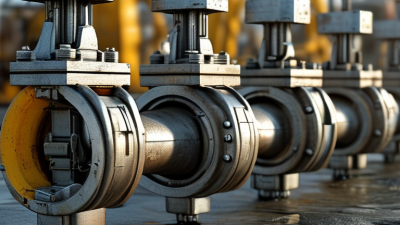
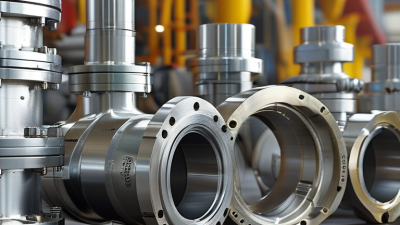
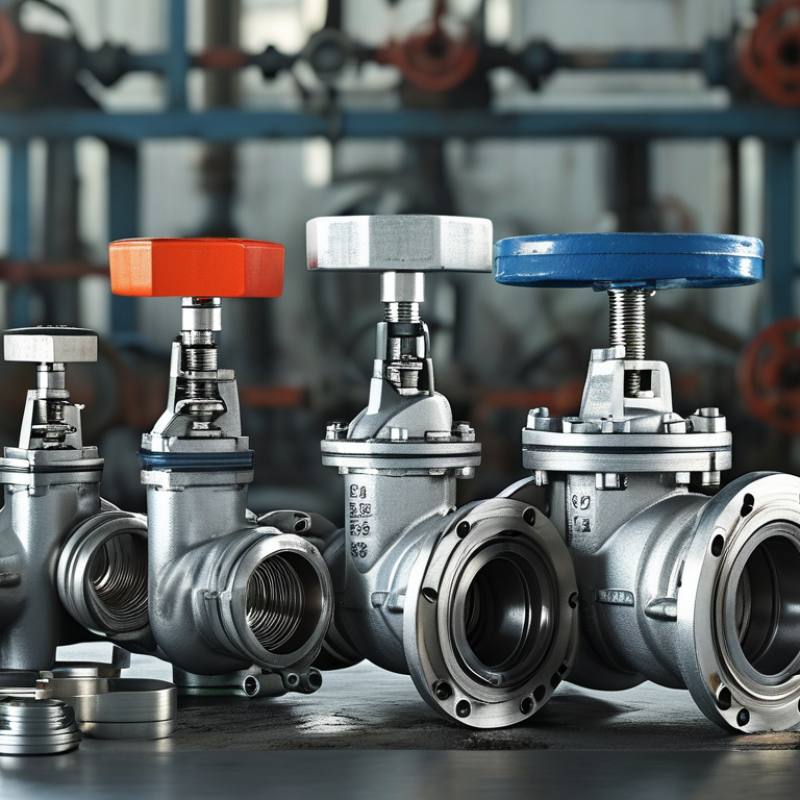
API 6A gate valves are vital in oil and gas industries. They control fluid flow and prevent backflow. Understanding their key components is essential for effective maintenance and operation. The most notable parts include the body, bonnet, gate, and seat. Each part plays a specific role in ensuring reliability under high pressures and temperatures.
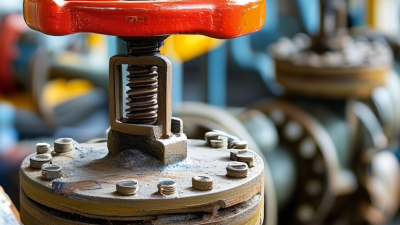
The body contains the gate and the internal components. Its robust design withstands harsh conditions. The bonnet houses the actuator and assists in sealing. The gate is the main element that starts or stops flow. It moves in and out to open or close the valve. The seat provides a tight seal to prevent leaks. Each component is crucial for the overall functionality and safety of the system.
In maintenance practices, knowing Api 6a Gate Valve Replacement Parts is important. Sometimes, wear and tear occur, leading to inefficiencies. Regular checks on these components identify issues early. However, gathering feedback on performance is often overlooked. Reflecting on these aspects is essential for improving functionality.
Functionality of API 6A Gate Valves
API 6A gate valves play a pivotal role in the oil and gas sector. Their primary function is to regulate fluid flow within pipelines and extracting systems. These valves offer a straightforward on/off operation, which is crucial in wellhead and manifold applications. According to a report by the American Petroleum Institute, these valves handle pressures exceeding 5,000 psi, making them essential for high-pressure environments.
Through rigorous design standards, API 6A gate valves ensure reliability. Corrosion resistance is a key feature, as many operate in harsh environments. The materials used, such as carbon steel and stainless steel, are chosen to withstand extreme conditions. The functional reliability of these valves often hinges on their sealing mechanisms. A miscalculation or flawed design can lead to leaks or catastrophic failures. The life-cycle cost is another consideration, with some reports indicating that poorly maintained valves can increase operational costs by up to 30%.
Quality control during manufacturing further impacts functionality. Even minor defects can significantly affect performance. Manufacturers invest in advanced testing technologies to detect flaws. However, the industry still faces challenges with human error and oversight. Regular maintenance checks remain critical, but inconsistent practices can result in undetected issues, leading to unnecessary downtimes.
Materials Used in API 6A Gate Valve Construction
API 6A gate valves are critical components in various oil and gas applications. The materials used in their construction significantly impact their performance and longevity. Common materials include carbon steel and stainless steel, chosen for their strength and resistance to corrosion. A report from the American Petroleum Institute (API) indicates that valves made from these materials can withstand harsh environments, emphasizing the importance of material selection for durability.
Another important material used is alloy steel, which offers enhanced mechanical properties and heat resistance. According to industry studies, alloy steel valves are especially beneficial in high-pressure scenarios. Their advantage lies in their ability to minimize failure risk, especially in extreme temperatures. However, some manufacturers face challenges with material compatibility, leading to potential failures. Regular evaluations of material properties become essential for reliability.
When considering maintenance and replacements, it's vital to use high-quality parts. For example, Api 6a Fire-Safe Gate Valve Replacement Parts should be sourced from reputable suppliers. This ensures compatibility and performance standards are met. Understanding materials helps in making informed choices, avoiding subpar products that could lead to costly downtimes. Regular training and updates on valve technology can aid in maintaining standards.
Design Standards and Specifications for API 6A
API 6A gate valves are essential in oil and gas operations. Understanding their design standards and specifications is crucial for reliable performance. These valves must adhere to rigorous API standards, which emphasize safety and durability. For instance, the materials used in API 6A gate valves must withstand high pressure and corrosive environments. Engineers must consider these factors during the design process.
Moreover, testing procedures for these valves are defined in the standards. This includes pressure testing and performance assessments to ensure functionality. The specifications also outline the dimensions and tolerances required for proper fit and function. One area often overlooked is the valve seat. High Quality Api 6a Gate Valve Seat Replacement Parts are vital for maintaining optimal sealing and preventing leaks.
Precision in manufacturing is paramount. Any misalignment can lead to catastrophic failures. Engineers often face challenges in sourcing materials that meet the API requirements. This can complicate the assembly and testing processes. As the industry evolves, a focus on new technologies may provide solutions. However, ongoing evaluation of current practices remains essential for improving safety and reliability in API 6A gate valves.
Key Parts of API 6A Gate Valve
Types of API 6A Gate Valves and Their Applications
API 6A gate valves are crucial in the oil and gas sector, particularly for wellhead systems. These valves are designed to control fluid flow. Various types of gates exist, each tailored for specific applications. For instance, the wedge gate valve is known for its reliability under high-pressure conditions. These valves can handle pressures up to 20,000 psi, making them suitable for deepwater drilling. The performance data from industry reports highlights that wedge gate valves consistently outperform other types in rigorous environments.
Another type, the parallel slide gate valve, is preferred for applications requiring quick shutoff. It provides a flat closure, offering minimal resistance to flow. Its design helps reduce turbulence, enhancing operational efficiency. According to a recent survey of industry professionals, about 35% favor parallel slide designs for offshore applications due to their reliability and performance. However, it's crucial to reflect on maintenance challenges. Regular inspections are necessary, as wear and tear can compromise their effectiveness over time.
In addition to these types, the Api 6a Wellhead Valve Trim Parts play a vital role in ensuring these valves work efficiently. They include components such as seats and seals, which must be robust and durable. Recent studies indicate that optimal selection of these trim parts can extend valve life significantly; hence, investing time in their maintenance is essential. As the industry continues to evolve, understanding the applications and functionalities of different gate valves becomes even more critical.
Maintenance and Inspection Practices for API 6A Gate Valves
Maintenance and inspection of API 6A gate valves are essential for ensuring safe and reliable operation. Regular checks should include visual inspections for leaks and corrosion. A thorough assessment of the actuator system is also crucial. This helps in confirming that the valve opens and closes correctly. Each valve should be operated periodically to identify any issues early.
The conditions in which these valves work can be harsh. Factors like temperature and pressure fluctuations can lead to wear and tear. Staff conducting inspections need to be well-trained. They should be able to identify potential problems early on. Documentation of all findings during inspections is vital for tracking wear patterns over time.
Common challenges arise during maintenance. Workers often overlook minor leaks, thinking they are insignificant. However, even small issues can lead to larger problems if not addressed. Regular training and refresher courses for maintenance teams can improve the quality of inspections. This creates a culture of diligence and attention to detail. Inspectors must remain vigilant and proactive. This is key to extending the lifespan of API 6A gate valves and ensuring operational integrity.
Common Issues and Troubleshooting for API 6A Gate Valves
API 6A gate valves are essential components in the oil and gas industry. However, issues can arise during their operation. Common problems include leaks, seizure, and improper sealing. Each of these issues can severely impact system performance, highlighting the need for regular maintenance and troubleshooting.
Leaking valves often stem from worn seals or improper installation. Identifying the source of a leak promptly is crucial. Sometimes, the valve body may weaken over time due to corrosion. Seizure can occur due to debris accumulation or lack of lubrication. Regular inspections can reveal potential issues before they escalate.
When troubleshooting, apply a systematic approach. Start by checking the valve's actuation mechanism. Look for obstructions or signs of wear. If sealing issues persist, consider replacing seals. In some cases, a complete valve replacement may be necessary. Reflecting on past experiences can guide improvements in monitoring and maintenance practices, ultimately enhancing valve reliability in critical applications.
What are the Key Parts of API 6A Gate Valve? - Common Issues and Troubleshooting for API 6A Gate Valves
| Key Part |
Function |
Common Issues |
Troubleshooting Tips |
| Body |
Holds the internal components and controls fluid flow |
Cracks or leaks |
Inspect for damage; replace if necessary |
| Seat |
Provides sealing surface for the gate |
Wear or pitting |
Check for uniformity; replace if uneven |
| Gate |
Controls flow by moving in and out of the seat |
Bending or scoring |
Ensure proper alignment; replace warped gates |
| Stem |
Transmits operation from the actuator to the gate |
Corrosion or binding |
Lubricate regularly; replace if severely corroded |
| Actuator |
Operates the valve mechanism |
Failure to open or close |
Check power supply and connections; repair or replace |
Innovative Solutions: China Factory's High-Quality Bearing Caps for API Compliant FC and FLS Manual Gate Valves
In the competitive landscape of oil and gas operations, reliable and high-quality components are essential for the optimal functioning of equipment. Our premium Valve Spare Bearing Caps, specifically designed for FC and FLS manual gate valves, stand out as exemplary products in this regard. Manufactured in China and fully compliant with API industry standards, these bearing caps are engineered to replace original components effectively, ensuring seamless operation without compromise.
Constructed from high-grade forged steel, these bearing caps exhibit exceptional structural rigidity and corrosion resistance, making them ideal for the extreme conditions often encountered at well sites. They are designed to withstand high temperature and pressure, as well as brine-rich environments, ensuring long-term stability and performance. Our commitment to providing transparent and competitive pricing means that customers benefit from cost-effective solutions without the traditional OEM markup.
In addition to our high-quality products, we offer customizable precision machining services to meet specific project requirements. This flexibility allows us to cater to various well-specific needs efficiently. With a focus on customer satisfaction, we ensure quick shipment to minimize maintenance downtime in the field. When it comes to valve spare parts, our commitment to quality and service makes us a preferred choice for operators seeking reliable components.
FAQS
Carbon steel, stainless steel, and alloy steel are typical materials, chosen for durability and corrosion resistance.
They often operate in harsh environments where exposure to corrosive substances can lead to failure.
A flawed design can lead to leaks or catastrophic failures, highlighting the importance of precise engineering.
Inconsistent maintenance can result in undetected issues, risking operational downtime and increased costs.
Using subpar parts can lead to compatibility issues and performance failures, affecting system reliability.
They can handle pressures up to 20,000 psi, making them suitable for demanding deepwater applications.
They offer quick shutoff and minimal flow resistance, reducing turbulence during operation.
Regular updates on valve technology ensure personnel understand best practices, improving maintenance standards.
The selection and quality of trim parts, like seats and seals, are crucial for extending valve life.
Conclusion
The API 6A Gate Valve is a critical component in the oil and gas industry, known for its robust design and reliability. Key parts of API 6A Gate Valve include the body, bonnet, gate, seats, and packing, each of which plays a vital role in the valve’s functionality and performance. These valves are designed to control the flow of fluids and can handle high-pressure environments, making their material composition essential, often involving strong alloys to withstand harsh conditions.
Maintenance and inspection practices are crucial for ensuring the longevity and efficient operation of API 6A Gate Valve parts. Regular checks can help identify common issues such as leaks or wear, allowing for timely troubleshooting and repairs. Understanding the different types of API 6A Gate Valves, along with their specific applications, enables operators to select the most suitable valve for their needs while adhering to design standards and specifications essential for safety and performance in the field.


 Contact Phone
 Contact Email