Picking the right Api6a Gate Valve Valve supplier isn't just about comparing prices or flipping through catalog pictures. Buyers around the world need pressure-control equipment they can count on—something that works reliably right at the wellsite, during testing, and under tough service conditions. Sure, meeting API 6A standards is a good starting point, but it’s not the whole story. You should really dig into the product specs—pressure ratings, temperature classes, bore sizes, material certificates, PSL and PR levels, and documented factory testing results.
As Daniel R. Foster, an expert in API 6A equipment, once said, “A gate valve earns trust through verified performance, not just shiny paperwork.” That really hits home, especially when you're comparing brands like Cameron, SLB, NOV, Flowserve, Jereh, or Jiangsu Shuguang Huayang. Each of these companies has their own strengths—whether it’s their manufacturing capacity, customization options, delivery speed, or after-sales support. The best pick really depends on what your specific field conditions require.
Sometimes, the little details tell you a lot about quality. Look for traceable heat numbers, thorough inspection records, hydrostatic test data, and sealing performance info. It's also essential to verify if the materials are suitable for sour-service environments—things like NACE MR0175 or ISO 15156 compliance. Don’t forget to ask about spare parts availability, maintenance training, actuator choices, and how quickly a supplier can respond to technical questions. Overlooking these small gaps can lead to costly delays down the line.
Let’s be honest—no supplier is perfect. Trying to rank them can oversimplify things, especially when it comes to technical details. Some buyers might prioritize quick lead times, while others need advanced metallurgy or strong long-term support. This guide aims to help procurement teams compare top Api6a Gate Valve Valve suppliers based on practical, real-world criteria—reliability, documentation, engineering support, and overall value—so you can make a smarter, more confident decision.
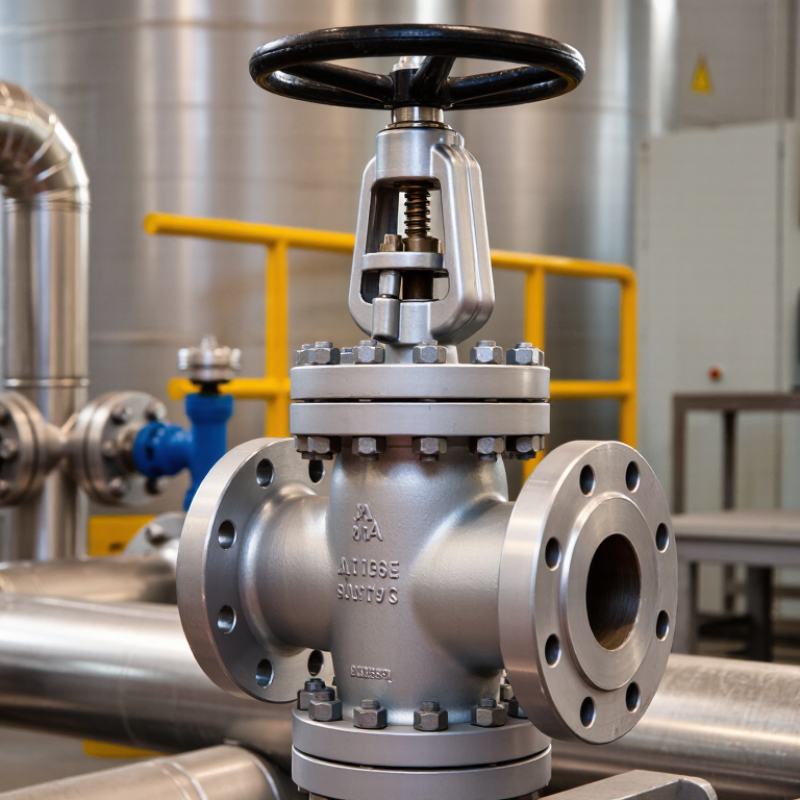
API 6A gate valves control wellhead and Christmas-tree flow under severe pressure, temperature, and erosion conditions. Their primary function is isolation, not routine throttling. Slab gates offer a straight-through bore and lower pressure loss. Expanding gates can improve sealing when differential pressure changes. Designs may include manual, hydraulic, or actuated operation, depending on wellsite access and emergency requirements. API Specification 6A defines pressure ratings, product specification levels, performance requirements, and material classes. Buyers should verify these details against the well’s fluid chemistry and temperature envelope.
The phrase Api6a Ball Valve Gate Valve is technically untidy. Ball valves and gate valves use different closing mechanisms. This matters during equipment selection. The IEA’s Oil 2024 report projects global oil demand to reach about 105.4 million barrels per day by 2030, increasing pressure on reliable upstream infrastructure. In offshore systems, corrosion-resistant trim, metal-to-metal sealing, and clear position indication deserve close review. In hydraulic fracturing and production trees, fast isolation and validated pressure testing are critical. API 6A compliance alone is not enough. Recent inspection experience shows that installation errors, damaged seals, and neglected operating records can defeat a strong design. That uncomfortable point deserves more attention. Geological conditions, cycling frequency, spare-part access, and documented testing should guide supplier evaluation.
Selecting API 6A gate valve suppliers worldwide requires more than comparing prices. Confirm the supplier’s current API 6A certification through official records. Check whether the certification covers the exact product range, pressure rating, and PSL level you need. A certificate alone is not enough.
Ask for material certificates, heat-treatment records, dimensional drawings, and pressure-test reports. Reliable suppliers should explain body materials, trim combinations, sealing systems, and temperature limits in clear technical language. Review their manufacturing facilities, inspection equipment, and calibration records. A live factory audit can reveal more than a polished brochure. Look closely at machining areas, storage conditions, and identification tags.
Request evidence of traceability from raw material to final valve. Serial numbers should match inspection documents. Discuss witness testing, non-destructive examination, delivery schedules, spare parts, and field support before signing a contract. Regional service capability matters when a valve is needed offshore or in a remote yard. References from similar pressure and temperature applications are valuable, but they should be independently checked. Some suppliers answer quickly yet provide incomplete documents. That is a warning. My own evaluation process would also benefit from stricter scoring, because technical confidence can sometimes hide weak after-sales planning. Evaluate the complete supply chain, not only the valve body.
For global buyers, API 6A compliance should be the starting point, not the final check. API Specification 6A and ISO 10423 define requirements for wellhead and Christmas tree equipment. They cover pressure ratings, temperature classes, material classes, PSL, PR, dimensions, testing, and documentation. Confirm the exact edition listed on the supplier’s certificate. Standards change. Small wording differences can affect acceptance.
Demand remains substantial. The IEA Oil 2024 report forecasts global oil demand reaching 105.4 million barrels per day by 2029. Its World Energy Outlook 2024 also indicates that oil demand may peak before 2030 under current-policy conditions. This makes long-term equipment reliability important, especially for offshore fields and remote sites. Buyers should request a valid API Monogram license, ISO 9001 certification, material traceability, calibrated pressure-test records, and independent inspection reports. ISO 14001 and ISO 45001 can also support environmental and occupational controls.
A certificate alone is not proof. Procurement teams sometimes overlook PSL and PR compatibility. That mistake can create costly delays during wellhead installation. Review body and trim materials, flange dimensions, bore size, sealing design, sour-service suitability, and temperature limits. Request heat-number traceability from raw material to final assembly. Keep every test record linked to the valve serial number. This process is slower, but more reliable.
IEA Oil 2024; IEA World Energy Outlook 2024; API Specification 6A; ISO 10423.
Top API 6A Gate Valve Suppliers for Global Buyers
Top supplier profiles should reveal more than catalog photographs. Buyers need pressure ratings, bore sizes, material classes, temperature classes, and available actuation. API Spec 6A provides the core framework for wellhead and Christmas-tree equipment. It also defines performance levels, validation requirements, and pressure-control expectations. A capable supplier should provide traceable test records, configuration drawings, and clear manufacturing locations. These details matter when valves face high pressure, abrasive fluids, or hydrogen sulfide.
The International Energy Agency’s Oil 2024 report forecasts global oil demand at about 105.4 million barrels per day by 2030. It also expects production capacity to exceed 114 million barrels per day. This outlook supports continued investment in reliable well-control equipment, although demand forecasts can change. Supplier profiles should therefore explain production capacity, spare-part support, and inspection control. Look for forged bodies, reliable sealing systems, low-temperature options, and compliance with ISO 15156 for sour-service materials. Field experience is valuable, but unsupported claims deserve caution. A polished catalogue is not enough.
Tips: Compare pressure ratings under actual operating conditions. Ask for witnessed hydrostatic and gas-testing records. Check whether replacement seals are locally available. Confirm delivery times in writing. One overlooked detail is training; installation errors can weaken excellent equipment. Also review failure data, not only successful case studies.
| Supplier Profile | Primary Product Focus | Nominal Size Range | API 6A Pressure Ratings | Material Classes | Product Specification Levels | Temperature Ratings | Actuation Options | Typical Materials | Quality & Documentation Strength | Best Fit for Global Buyers |
|---|---|---|---|---|---|---|---|---|---|---|
| Profile 01 | Standard forged API 6A gate valves | 1 13/16 to 7 1/16 in | 2,000 to 10,000 psi | AA, BB, CC, DD, EE | PSL 1 to PSL 3 | Rated working temperature selected by design and material class | Manual handwheel; hydraulic retrofit available | Carbon steel, low-alloy steel, stainless trim | Routine hydrostatic testing, material certificates, dimensional reports | Conventional land wells and replacement projects |
| Profile 02 | High-pressure production gate valves | 1 13/16 to 13 5/8 in | 5,000 to 15,000 psi | BB, CC, DD, EE, FF | PSL 2 to PSL 3 | Standard and low-temperature configurations available by specification | Manual, hydraulic, pneumatic, electric actuator interface | Forged alloy steel, corrosion-resistant trim, tungsten-carbide coatings | Pressure test records, NDE reports, traceability and inspection plans | High-pressure production systems and international EPC projects |
| Profile 03 | Sour-service and H2S-resistant gate valves | 1 13/16 to 7 1/16 in | 2,000 to 10,000 psi | BB, CC, DD, EE, FF, HH | PSL 2 to PSL 4 | Material selection and testing aligned with sour-service requirements | Manual and hydraulic actuation; fail-safe packages by project | Low-alloy steel, nickel-based alloys, CRA trim | Hardness control, NACE-related documentation, PMI and enhanced NDE | Sour gas, acidic formations and high-corrosion environments |
| Profile 04 | Large-bore gate valves for wellhead and subsea systems | 7 1/16 to 21 1/4 in | 2,000 to 10,000 psi | AA, BB, CC, DD, EE | PSL 2 to PSL 3 | Temperature and sealing design specified for installation environment | Hydraulic actuator, ROV interface, manual override | Forged or cast alloy steel, stainless and corrosion-resistant trim | Full dimensional control, functional testing and interface drawings | Large-bore wellheads, offshore platforms and subsea packages |
| Profile 05 | Compact forged gate valves for drilling systems | 1 13/16 to 4 1/16 in | 3,000 to 15,000 psi | AA, BB, CC, DD, EE, FF | PSL 1 to PSL 3 | Design selected for drilling temperature and pressure conditions | Manual, hydraulic and remote-operation configurations | Forged alloy steel, replaceable seats, hard-faced gate and seat surfaces | Fast inspection cycles, pressure testing and spare-parts support | Drilling manifolds, choke-and-kill systems and workover equipment |
| Profile 06 | Customized OEM and engineered gate-valve packages | Project-specific; commonly 1 13/16 to 21 1/4 in | 2,000 to 20,000 psi, subject to design approval | AA through HH, where applicable | PSL 1 to PSL 4 | Project-defined temperature class and pressure-containing materials | Manual, hydraulic, pneumatic, electric and remote-control systems | Carbon steel, alloy steel, stainless steel and nickel alloys | Engineering calculations, ITP, FAT support, traceability and complete MDR | Complex EPC tenders, retrofit packages and non-standard interfaces |
Global buyers should compare API 6A gate valve suppliers by materials, pressure ratings, and evidence of manufacturing control. Carbon steel bodies suit many standard wellhead applications, while forged alloy steel handles higher stress and repeated pressure cycles. Stainless steel trim can improve resistance to corrosive fluids. Material certificates matter. They are not decorative paperwork.
An Api6a Sluice Valve Gate Valve should match the required working pressure, temperature range, and service environment. Common ratings include 2,000 to 20,000 psi, but the label alone is insufficient. Buyers should review pressure tests, PSL, PR, and connection dimensions. Field inspection often finds mismatched flanges or unclear temperature limits. That mistake can delay installation.
Customization may include bore size, stem design, handwheel position, actuator preparation, coating, and sour-service options. Suppliers should explain how each change affects delivery time, inspection, and maintenance. Ask for dimensional drawings before ordering. Small details matter. I would also request traceability from heat number to final test report. A polished catalogue cannot replace this evidence. In practice, the cheapest quotation may exclude testing, spare seals, or export packaging, so a line-by-line comparison is wiser.
Quality control should begin before machining. Buyers should request material certificates, heat-number traceability, dimensional records, and calibrated inspection reports. API Specification 6A and ISO 10423 provide the technical framework for wellhead and Christmas-tree equipment. Pressure tests must match the selected product specification level, temperature class, and working pressure. Every result needs a signed record.
Check the details, not only the certificate.
Search terms like Api6a Gate Valve Butterfly Valve can create a serious specification mismatch. API 6A gate valves require different verification from butterfly valves, especially for sealing, actuation, and well-service conditions. McKinsey’s 2022 global supply-chain survey found that 72% of companies experienced major supply-chain disruptions. Therefore, suppliers should provide realistic manufacturing schedules, inspection hold points, packing photos, and shipment tracking. A cheap delivery promise can become expensive offshore.
After-sales support should include spare seals, installation guidance, warranty conditions, and a defined response time. Suppliers with field engineers can review leakage records, operating torque, and pressure-test history. Root-cause reports should use evidence, not assumptions. I have seen technically strong valves delayed by incomplete export documents. That failure is preventable, but not always prevented. Buyers should also audit corrective actions and request updated drawings after approved changes. Reliability grows through disciplined records, practical testing, and honest communication.
Top API 6A Gate Valve Suppliers for Global Buyers
Selecting an API 6A supplier requires more than comparing prices. IEA’s Oil 2024 report forecasts global oil demand reaching 105.4 million barrels per day by 2030. This growth keeps reliable wellhead equipment important. Buyers should verify API Spec 6A and ISO 10423 compliance, pressure ratings, temperature classes, and material traceability. Request manufacturing records, heat-treatment reports, and pressure-test results before approval. A supplier should also explain its quality process clearly.
Field experience matters. Ask whether the supplier has delivered comparable gate valves for sour-service, offshore, or high-cycle applications. Review inspection hold points, non-destructive testing methods, spare-part support, and realistic delivery times. For an Api6a Hardfaced Valve Gate Valve, confirm the hardfacing alloy, thickness, bonding quality, and repair limits. A certificate alone is not enough. I would not treat a polished brochure as proof. Even experienced buyers can overlook local service capacity or documentation language.
Tips: Compare three suppliers using the same technical specification. Check serial-number traceability from raw material to final test. Request a sample inspection plan. Confirm the supplier’s response time for urgent field issues. Cost still matters, but the cheapest offer may create longer downtime. A checklist helps, though it can miss practical installation problems. Ask for lessons learned from previous projects, not only successful references.
API 6A gate valves are selected according to the required working-pressure class. The chart shows the standardized API 6A nominal working-pressure classes from 2,000 to 20,000 psi. Buyers should confirm that each supplier can provide the required pressure rating together with valid API 6A certification, suitable temperature performance, product specification level, performance requirements, material traceability, testing records, and dependable global delivery support.
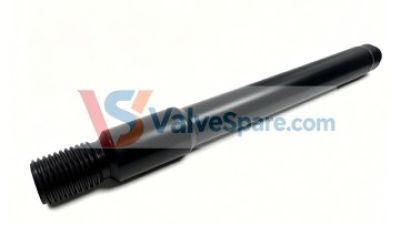
The lower balance stem is a critical component in hydraulic gate-valve assemblies, helping distribute force across the gate and maintain smooth movement under demanding operating conditions. Market analysis from Grand View Research estimates that the global industrial valves market was valued at more than US$75 billion in 2023, with continued growth driven by energy, chemical processing, and infrastructure investment. As equipment operates at higher temperatures and pressures, reliable internal components are increasingly important for controlling leakage, friction, and unplanned maintenance.
Manufactured by experienced suppliers in China, these lower balance stems are produced from high-strength stainless steel or Inconel alloys and finished through precision machining. Working together with the upper stem, the component reduces uneven loading and lowers the possibility of sticking or jamming during repeated cycling. Dimensional accuracy also supports proper alignment and straightforward replacement within compatible valve assemblies. In line with requirements commonly referenced in API and ISO valve-testing practices, quality-focused production includes material verification, inspection of critical surfaces, and checks for fit and durability. For operators, selecting a precisely manufactured lower balance stem can improve controllability, extend service intervals, and support safer performance in high-pressure fluid systems.
Confirm current certification, product range, pressure rating, and PSL level. Price alone can mislead.
Request material certificates, heat-treatment records, drawings, and pressure-test reports. Serial numbers should match every document.
A live audit shows machining areas, storage conditions, inspection tools, and identification tags. Brochures cannot show everything.
Follow the heat number from raw material to final assembly. Keep each record linked to the valve serial number.
Check body materials, trim combinations, bore size, flange dimensions, seals, and temperature limits. Small mismatches create delays.
Check the current wellhead equipment specification and quality-management certification. Confirm the exact edition and certificate scope.
Ask for calibrated pressure-test records, non-destructive examination, and independent inspection reports. Witness testing may add confidence.
Remote yards and offshore sites may need fast support, spare parts, or field assistance. Delivery promises need practical backing.
No. Independently check references from similar pressure and temperature applications. Quick replies may hide incomplete documents.
Strong technical evidence may hide weak after-sales planning. My scoring process should be stricter. No checklist is perfect.
This guide provides a practical overview of API 6A gate valves, covering their functions, common designs, operating principles, and applications in oil, gas, and other high-pressure industries. It explains how global buyers can evaluate suppliers by reviewing technical capabilities, manufacturing experience, certifications, quality systems, and compliance with recognized API and international standards. The article also introduces key considerations when comparing valve materials, pressure ratings, temperature ranges, sealing solutions, actuation options, and customization services. Special attention is given to inspection, pressure testing, documentation, delivery performance, warranty terms, and after-sales support, all of which influence long-term reliability and operating safety.
For buyers comparing an Api6a Gate Valve Valve supplier, the final selection should balance product quality, engineering support, production capacity, total cost, lead time, and communication efficiency. A structured assessment of supplier qualifications and project requirements can help organizations choose dependable equipment suited to their operating conditions and procurement objectives.