Choosing the right API 6A valve components isn't just about a simple purchase — it's really a pressure-control decision. For buyers around the world, it means diving into pressure ratings, checking material traceability, understanding temperature limits, and reviewing service history. Honestly, having a shiny datasheet isn't enough; the real conditions on the ground often reveal what truly matters.
In this guide, I’ll highlight ten components worth paying close attention to — things like valve bodies, bonnets, gates, stems, seats, seals, actuators, flanges, hubs, and ring gaskets. Each one plays a key role in how well the system contains pressure, how straightforward maintenance will be, and how confident you can feel about operation. Even tiny defects can cause serious delays — that’s just the reality, no sugar-coating.
Laura Bennett, an API 6A expert, puts it perfectly: “A valve is only as reliable as its weakest pressure boundary.” Her experience working with wellheads and Christmas trees really drives that point home. So, before giving the green light, buyers should dig into manufacturing records, heat-treatment reports, pressure-test results, and certification paperwork. Plus, it’s smart to ask how suppliers handle elastomer compatibility, corrosion risks, and the availability of spare parts.
The best suppliers don’t beat around the bush; they clearly explain their limits. They don’t overpromise on performance — which is super important when equipment faces sour service conditions, rapid temperature swings, abrasive fluids, or frequent cycling. Sadly, some purchasing teams still focus mainly on price, ignoring whether the equipment actually fits their specific needs. That can end up costing a lot more in the long run.
This article aims to help buyers everywhere become more disciplined when comparing API 6A valve components. It links choosing the right parts to real-world installation conditions, inspection routines, and ongoing maintenance. Sure, this guide is practical, but it’s not perfect — standards change, field data can be tricky to interpret, and every well has its own set of challenges. So, always double-check and verify carefully. That’s the key to making smart, reliable decisions.
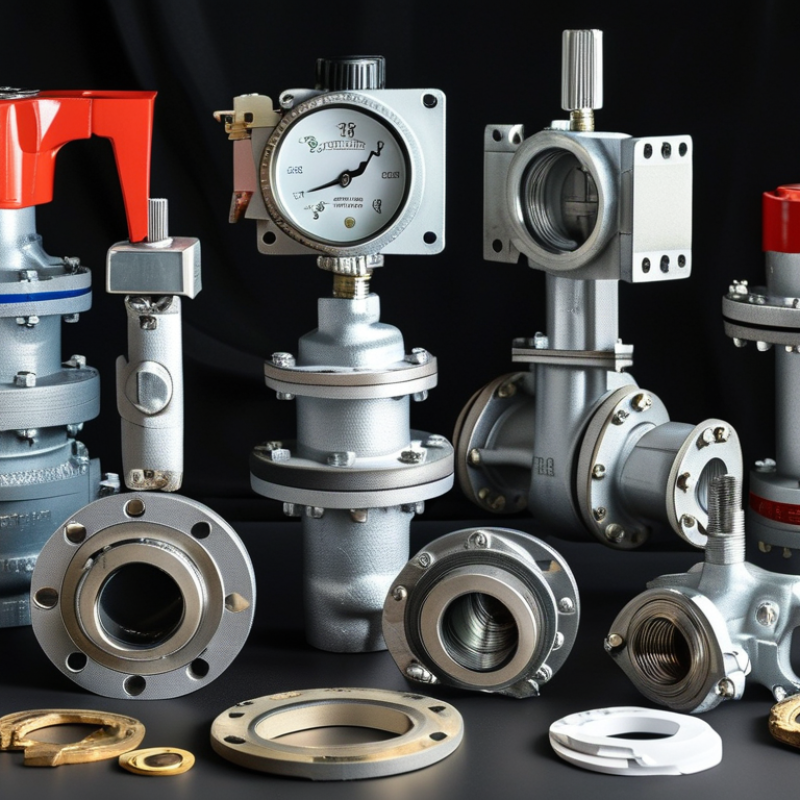
API 6A pressure ratings define the working pressure a valve must safely contain, from 2,000 to 20,000 psi. The rating is not a marketing detail. It controls the body, bonnet, gate, stem, seats, seals, and bolting.
A 2,000 psi valve may use different wall thicknesses and sealing arrangements than a 15,000 psi valve. At 20,000 psi, small design weaknesses become serious risks. Experienced buyers verify the complete pressure boundary, not only the nameplate. Bore size, temperature, fluid properties, and connection type also affect component selection. Pressure labels are not interchangeable.
Api 6a Psl 3 Gate Valve Components must match the specified pressure rating and material requirements. PSL 3 describes quality and testing controls, not a 3,000 psi pressure class. This distinction is often missed. Buyers should review material certificates, heat numbers, dimensional reports, and pressure-test records. The gate and seats need stable sealing under repeated cycling, while stem and bonnet interfaces require careful inspection. Correct torque matters too. Too little can cause leakage; too much can damage threads or seals.
A practical purchasing check compares every component against the valve’s rated envelope. Include temperature limits and sour-service requirements where applicable. Do not assume interchangeable trim. Even careful teams sometimes overlook gasket compatibility during replacement work. That mistake deserves a second review. Supplier drawings, traceability documents, and witnessed test results provide stronger evidence than a catalog description alone.
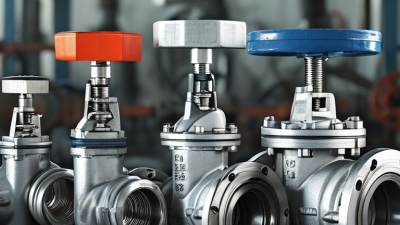
API 6A valve procurement begins with three load-bearing parts: the body, bonnet, and gate. The body contains well pressure and connects to the flow line. The bonnet closes the pressure cavity, while the gate controls isolation during operation. These parts must match the specified pressure class, material grade, PSL, and PR level. API Spec 6A recognizes pressure ratings from 2,000 to 20,000 psi.
The market context is demanding. The International Energy Agency’s Oil 2024 report projects global oil demand will rise by 3.2 million barrels per day between 2023 and 2030. It also forecasts production capacity reaching 113.8 million barrels per day. More capacity means more valves, replacements, and inspection records. Small errors become expensive quickly.
Buyers should request heat-lot traceability, chemical analysis, hardness results, and documented nondestructive testing for each pressure-boundary part. Body and bonnet forgings need careful review around hubs, flanges, and bonnet seals. Gate surfaces require controlled machining and reliable sealing contact.
Field experience shows that drawings alone are not enough. A clean certificate cannot fix poor dimensional control. I would also question suppliers that offer unusually short lead times without explaining inspection stages. Maybe speed matters, but pressure integrity matters more.
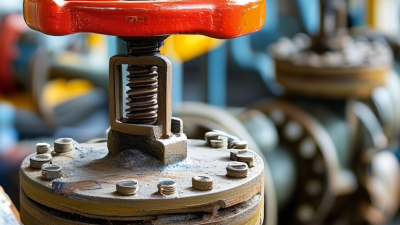
For global buyers, API 6A valve performance often depends on three small groups: the stem, seats, and seals. The stem transfers actuator force through the pressure boundary. Its finish, straightness, hardness, and corrosion resistance affect operating torque and leakage risk. Buyers should request material certificates, dimensional records, and inspection results, not only product photographs. A stem may look perfect while hidden machining marks accelerate seal wear. That detail is easy to miss.
Seats control shutoff and guide the valve closure. Their geometry must match the body, gate, and service conditions. Metal seats can tolerate demanding temperatures, while resilient inserts may improve sealing at lower operating loads. The choice depends on pressure, temperature, fluid chemistry, cycling frequency, and erosion risk. Check the actual operating envelope. A catalog rating alone can mislead.
Seals deserve equal attention. Primary and secondary seals must suit pressure direction, temperature changes, and possible sour-service exposure. Ask for compound identification, batch traceability, shelf-life data, and pressure-test evidence. Small groove deviations can cause extrusion, compression loss, or slow leakage. Installation records matter too. Clean assembly, correct lubrication, and controlled torque protect parts that appear interchangeable. Reliable sourcing requires clear drawings, tolerances, test procedures, and replacement intervals. Confirm the current API 6A edition with a qualified engineer. Impressive paperwork may still hide limited technical detail. That deserves a second review.
API 6A Operating Parts: Handwheel, Gearbox, Actuator, and Stem Connector
In API 6A valve assemblies, operating parts convert human or mechanical input into controlled gate movement. A handwheel should provide firm grip, balanced rotation, and enough clearance for gloved operators. Small details matter. A bent rim or loose hub can signal deeper alignment problems.
A gearbox helps multiply torque when direct hand operation becomes difficult. Buyers should check its ratio, lubrication method, housing protection, and compatibility with the valve stem. Actuators require careful sizing, especially where pressure, temperature, and cycling frequency vary. An undersized actuator may stall. An oversized unit can stress the stem and gate. The stem connector must transfer torque without excessive play. During inspection, measure fit, examine threads, and check surface damage under strong light. These checks support reliable sourcing of Fls Gate Valve Components.
Tips: Ask suppliers for dimensional drawings, material certificates, torque data, and inspection records. Test handwheel rotation before installation. Confirm the gearbox output matches the stem connector. Field experience shows that many failures begin with simple mismatch, not dramatic overload. Still, paperwork alone is not proof. I have seen complete documents paired with poorly finished threads. That deserves a second inspection. Keep spare connectors and seals in clean, labeled storage. Review operating records after the first few cycles, because early resistance often reveals alignment or lubrication issues.
| No. | Component | Primary Function | Typical Operating or Design Data | Common Material Options | Buyer Inspection and Documentation Priorities |
|---|---|---|---|---|---|
| 1 | Valve Body | Contains the pressure boundary and provides the flow passage and connection points. | Specified by nominal bore, working pressure, end connection type, material class, product specification level (PSL), and temperature class under the applicable API 6A configuration. | Forged or cast carbon steel, low-alloy steel, stainless steel, and corrosion-resistant alloy overlays where service conditions require them. | Material test reports, dimensional inspection, pressure-boundary examination, heat-treatment records, traceability, and hydrostatic testing records. |
| 2 | Gate | Moves across the flow passage to isolate or open the valve. | Usually selected as a through-conduit or expanding gate arrangement according to valve design; sealing performance, bore alignment, and pressure rating are key purchasing parameters. | Carbon or low-alloy steel with stainless steel, nickel-based, or other corrosion-resistant sealing surfaces as required by the fluid environment. | Gate-to-seat compatibility, surface finish, dimensional reports, non-destructive examination, functional cycling, and pressure-test results. |
| 3 | Valve Seats | Provide the stationary sealing surfaces that isolate the flow path when the gate is closed. | Buyers normally specify soft-seat or metal-seat construction, bidirectional or unidirectional sealing capability, temperature range, pressure rating, and compatibility with produced fluids. | Engineering thermoplastics, elastomers, stainless steel, nickel-based alloys, and tungsten-carbide or other hard-facing systems for abrasive service. | Seal material certificates, hardness or coating reports, dimensional checks, gas or liquid seat tests, and compatibility documentation for sour or corrosive service. |
| 4 | Valve Stem | Transfers operating force from the handwheel, gearbox, or actuator to the gate. | Critical dimensions include stem diameter, thread profile, travel, connection geometry, anti-blowout retention, and required operating torque. | Stainless steel, precipitation-hardening stainless steel, low-alloy steel, or corrosion-resistant alloy selected for strength and service environment. | Thread and spline inspection, straightness, surface finish, hardness, material traceability, anti-blowout verification, and torque or cycle testing. |
| 5 | Stem Connector | Connects the valve stem to the gate, extension stem, gearbox, or actuator output. | Must match the stem end geometry, transmit the specified torque or thrust, maintain alignment, and prevent accidental disengagement during operation. | Heat-treated alloy steel, stainless steel, or corrosion-resistant alloy depending on load, temperature, and environmental requirements. | Connection dimensions, load and torque calculations, retaining-device inspection, material certificates, hardness testing, and assembly verification. |
| 6 | Handwheel | Provides manual opening and closing control for directly operated valves. | Selected by diameter, rim force, operating direction, stem interface, available clearance, and the maximum gearbox or valve input torque. | Painted carbon steel, ductile iron, stainless steel, or other corrosion-protected metal construction. | Dimensional fit, spoke and rim integrity, corrosion protection, rotation direction marking, operating-force verification, and visual inspection. |
| 7 | Gearbox | Multiplies handwheel torque and controls valve movement when direct manual operation is impractical. | Key data include reduction ratio, input and output torque, travel stops, mounting pattern, lubrication method, enclosure protection, and operating temperature. | Ductile iron, carbon steel, alloy steel gears, stainless steel hardware, and sealed grease or oil lubrication systems. | No-load and loaded torque tests, gear-tooth inspection, backlash measurement, stop-setting verification, lubricant information, and mounting compatibility. |
| 8 | Actuator | Provides powered valve operation and may support remote, automatic, or emergency shutdown functions. | Buyers specify actuator type, output torque or thrust, fail position, stroke or travel, control signal, response time, environmental protection, and hazardous-area requirements where applicable. | Carbon steel, stainless steel, aluminum alloy, elastomeric seals, and application-specific pneumatic, hydraulic, or electric drive components. | Sizing calculations, torque-thrust margins, functional testing, fail-action verification, control-system checks, enclosure inspection, and calibration records. |
| 9 | Stem Sealing Assembly | Prevents pressure-containing fluid from escaping along the moving stem. | Specified by packing or seal arrangement, pressure and temperature limits, leakage performance, stem finish, maintenance access, and fluid compatibility. | Graphite, PTFE-based materials, elastomers, engineering polymers, stainless steel, and corrosion-resistant alloy gland components. | Seal-material certificates, gland dimensions, compression or preload checks, leakage testing, stem-surface inspection, and replacement-part traceability. |
| 10 | Bonnet and Bonnet Seal | Closes the valve body, supports the stem assembly, and maintains pressure-boundary integrity. | Important parameters include bonnet connection design, seal arrangement, bolt or clamp loading, service temperature, maintenance access, and pressure rating. | Forged or cast carbon steel, low-alloy steel, stainless steel, corrosion-resistant alloys, metal seals, and qualified elastomeric seals. | Connection dimensions, bolt or clamp material certificates, torque records, seal compatibility, pressure testing, non-destructive examination, and final assembly inspection. |
Buyer note: Final component selection should be verified against the valve’s API 6A configuration, nominal bore, working pressure, material class, temperature class, product specification level, performance requirement, operating medium, and applicable sour-service requirements.
For global buyers, API 6A valve selection begins with material class, not a catalog photograph. Classes AA through HH indicate material suitability for different service environments. The ten components needing close review include the body, bonnet, gate, stem, seats, seals, injectors, end connectors, studs, and nuts. Each faces a different failure risk. That detail matters.
Class AA may suit compatible general-service conditions after pressure and temperature checks. Classes BB and CC require stronger corrosion controls through alloy selection, hardness limits, and qualified trim. Under H2S exposure, Classes DD, EE, FF, and GG demand careful control of sulfide-stress cracking, hydrogen damage, and sealing performance. Class HH is commonly selected for severe sour conditions with higher corrosion resistance requirements.
Buyers should verify material certificates, heat treatment, hardness results, and sour-service test records. High Pressure Wellhead Gate Valve Components must be specified as a matched set. A resistant stem cannot protect a vulnerable seat.
Field inspection reports often reveal one practical mistake: buyers focus on pressure rating and overlook elastomer compatibility. Temperature cycling can harden seals before corrosion becomes visible. Ask for traceable records. Check the actual medium, water content, chlorides, pressure cycles, and maintenance access. Do not assume a higher material class solves every problem. Cost, availability, repair skills, and incomplete operating data can still affect reliability.
Specifications are rarely perfect. A qualified engineering review remains essential before final approval.
Global buyers should examine an API 6A valve as a complete pressure-control system. The key component groups include the body, bonnet, gate, stem, seats, seals, bolting, end connections, actuator, and test records. PSL 1–4 defines increasing requirements for materials, manufacturing controls, inspection, and documentation. PR 1–2 addresses pressure and temperature performance. PR 2 usually demands more rigorous validation. Do not accept a level stated only on a quotation. Check the nameplate, drawings, material certificates, and applicable test procedures.
A practical review should trace each pressure-containing part to its heat number. For an Api 6a Valve Stem, inspect material grade, surface finish, hardness, thread condition, and dimensional reports. Small scoring marks can damage packing during repeated operation. Seat leakage tests should reflect the specified pressure, temperature, and test medium. Body testing also needs stable pressure records, not just a final pass statement. Ask how nonconforming parts were controlled. That answer often reveals the real quality system. I would also compare factory records with an independent inspection report, although this step is sometimes overlooked. A complete PSL and PR review reduces uncertainty, but it cannot replace competent engineering judgment. Mistakes still happen. Clearance, corrosion allowance, and installation orientation deserve a second look before shipment.
Selecting reliable API 6A slab gate valve plates starts with matching the pressure, temperature, fluid chemistry, and valve configuration to actual wellhead conditions. API Spec 6A pressure classes range from 2,000 to 20,000 psi; for demanding applications, plates rated for up to 15,000 PSI should be supported by documented body, seal, and hydrostatic testing. Confirm compatibility with slab, expanding, or through-conduit designs, while checking material traceability, dimensional tolerances, surface finish, and non-destructive examination records. For sour service, materials should also comply with NACE MR0175/ISO 15156 requirements to reduce sulfide-stress-cracking risks.
Corrosion resistance and dependable shutoff are especially important because the International Energy Agency’s *Global Methane Tracker 2024* estimates that oil and gas operations released approximately 120 million tonnes of methane in 2023. Well-engineered valve plates can help limit fugitive emissions and unplanned maintenance when installed in Christmas trees, wellheads, manifolds, and pipeline systems. Select suppliers with controlled manufacturing processes, API quality documentation, pressure-test certificates, and experience supporting both onshore and offshore operations. A reliable plate should maintain sealing performance through pressure cycling, abrasive particles, and corrosive fluids rather than relying solely on nominal pressure ratings.
The body contains well pressure and connects to the flow line. The bonnet closes the pressure cavity. The gate controls isolation during operation. All three must match the specified pressure class, material grade, PSL, and PR level.
The industry specification recognizes pressure ratings from 2,000 to 20,000 psi. Buyers should confirm the required rating on drawings and nameplates. Never rely only on a quotation. Pressure class must match the operating design.
Request heat-lot traceability, chemical analysis, hardness results, and nondestructive testing records. Each part should connect to its heat number. Material certificates alone are not enough. Traceability matters.
Review the hubs, flanges, and bonnet-seal areas carefully. Check dimensional reports and surface condition. Confirm that machining matches approved drawings. A clean certificate cannot correct poor dimensions.
Gate surfaces need controlled machining and reliable sealing contact. Look for scratches, scoring, uneven finishing, and incorrect dimensions. Small defects may cause leakage during repeated operation. Do not guess.
PSL defines increasing requirements for materials, manufacturing controls, inspection, and documentation. PR addresses pressure and temperature performance. Higher PR levels usually require more rigorous validation. Confirm the stated level through records, drawings, and test procedures.
Review seat leakage tests using the specified pressure, temperature, and test medium. Body tests should include stable pressure records. A final pass statement gives limited detail. Independent inspection can reveal overlooked issues.
Short delivery may mean fewer inspection stages or incomplete documentation. Ask how materials, machining, testing, and nonconforming parts are controlled. Speed can help, but pressure integrity matters more. I would still question the schedule.
Check clearance, corrosion allowance, installation orientation, packing surfaces, and thread condition. Compare factory records with independent inspection results. Small mistakes become expensive quickly. Some details are easy to overlook.
Choosing the right Api 6a Valve Components is essential for safe, reliable wellhead and Christmas tree operation across pressure ratings from 2,000 to 20,000 psi. The main pressure-boundary parts—body, bonnet, and gate—must be selected for strength, sealing integrity, and compatibility with the intended service. Flow-control components such as the stem, seats, and seals directly influence shutoff performance, wear resistance, and resistance to pressure and temperature changes.
Operating components, including the handwheel, gearbox, actuator, and stem connector, should provide dependable control and smooth force transmission. Material classes AA through HH help match component materials to standard or sour-service conditions, while PSL 1–4 requirements define manufacturing, inspection, and documentation levels. PR 1–2 testing further verifies functional and performance reliability. By evaluating pressure rating, materials, component function, quality level, and test requirements together, buyers can create a properly matched API 6A valve assembly for demanding field applications.