
Leave Your Message
-
Contact WhatsApp
-
 Contact Phone
-
 Contact Email
In offshore oilfield production, flow control systems are the primary barrier protecting personnel, subsea installations, and topside platforms from high reservoir pressures. Expanding gate valves represent the gold standard for positive mechanical sealing. Unlike standard slab gate valves that rely solely on line pressure to energize the seals, expanding gate valves utilize a mechanical wedging force. During closure, the two-piece gate and segment assembly expands outward against the valve seats, creating a tight, bubble-free mechanical seal on both the upstream and downstream sides. This dual-sealing capability is critical for safety-critical isolations in Christmas trees, choke and kill manifolds, and production headers.
However, the harsh marine environment—characterized by corrosive saltwater, high concentrations of hydrogen sulfide (H₂S) and carbon dioxide (CO₂), abrasive formation sand, and extreme high-pressure, high-temperature (HPHT) conditions—places immense stress on internal valve components. Over time, erosion, pitting, and mechanical fatigue degrade these parts, necessitating structured valve overhauls. Using high-specification, API 6A-compliant replacement parts is the only way to restore the mechanical integrity of these critical flow control assets.
Unlike standard slab gates, expanding gates feature a double-tapered design. During the final moments of valve closure, the stem forces the gate assembly downward, causing the segment to slide along the gate's angled face. This relative movement expands the outer parallel faces of the assembly against the seat rings. The resulting metal-to-metal seal provides positive, reliable isolation even at low differential pressures where slab valves typically struggle to seal.
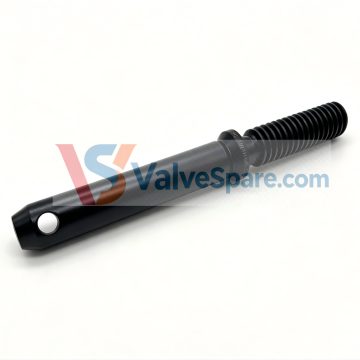
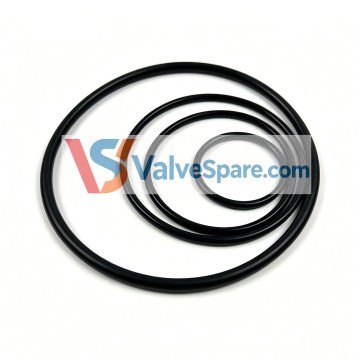
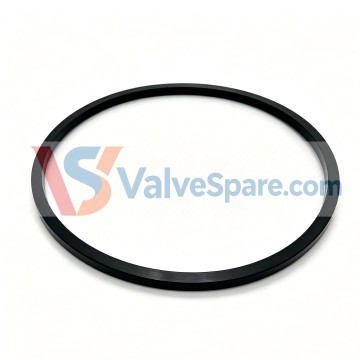
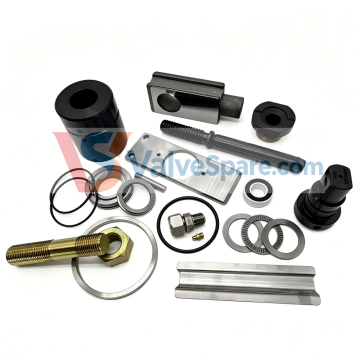
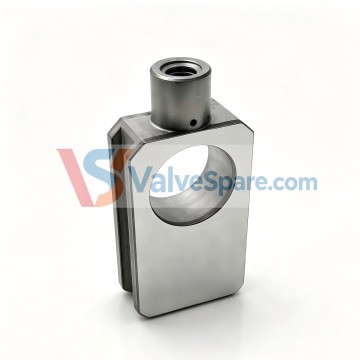
An offshore flow control valve overhaul is a meticulous process. Component wear is rarely uniform, but specific high-stress parts must be systematically inspected and replaced to guarantee the valve's pressure-containing capability. Key components include:
The commercial reality of offshore oilfield operations is defined by high operating costs and severe financial penalties for unplanned shutdowns. Modern deepwater semi-submersible rigs and FPSOs (Floating Production, Storage, and Offloading vessels) can cost between $300,000 and $700,000 per day to operate. If a critical flow control valve on a main production header fails, the resulting platform shutdown can lead to millions of dollars in deferred production per day.
Consequently, operators are shifting from reactive maintenance to strictly planned preventative maintenance and turnaround overhauls. During these turnarounds, supply chain reliability is paramount. Having immediate access to high-quality, API 6A-compliant replacement parts—such as complete Major Repair Kits—ensures that valves can be rebuilt, pressure tested, and re-commissioned within the tight turnaround window, avoiding costly logistics delays.
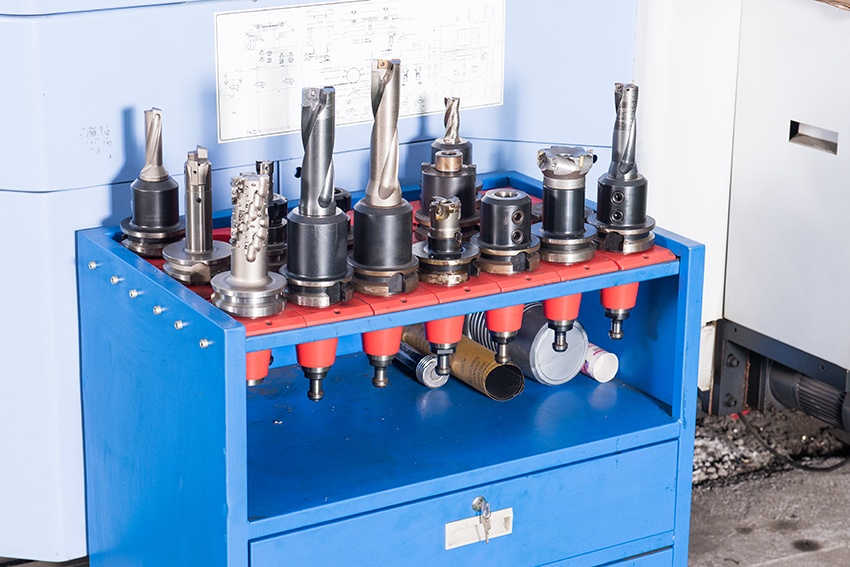
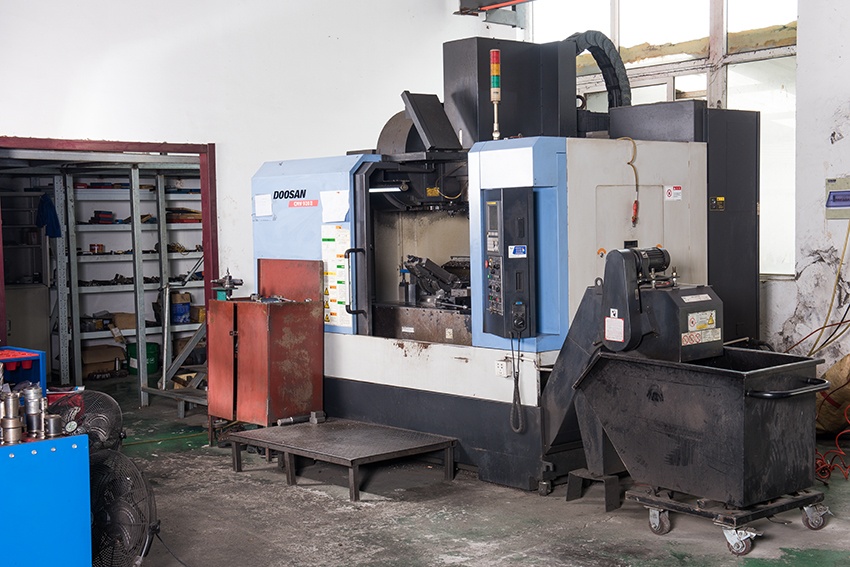
Our core competitive advantage lies in industry-leading coating technology and strict quality control:
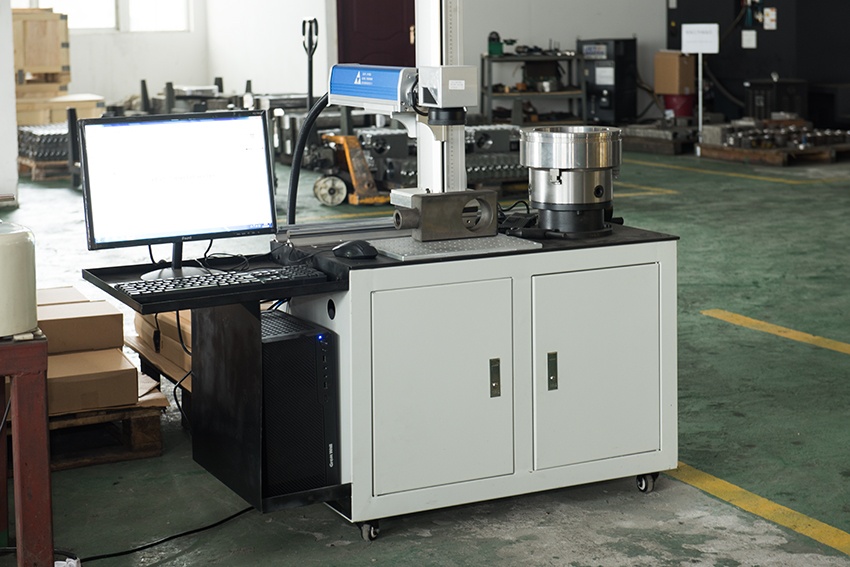
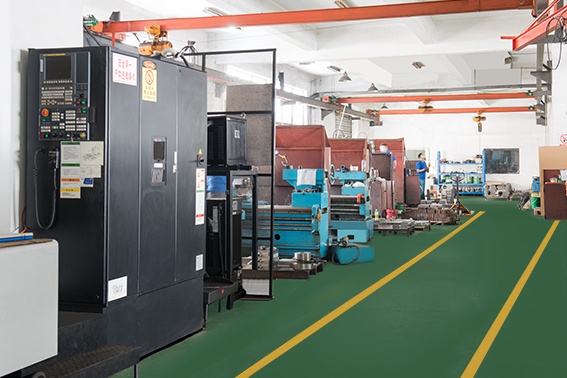
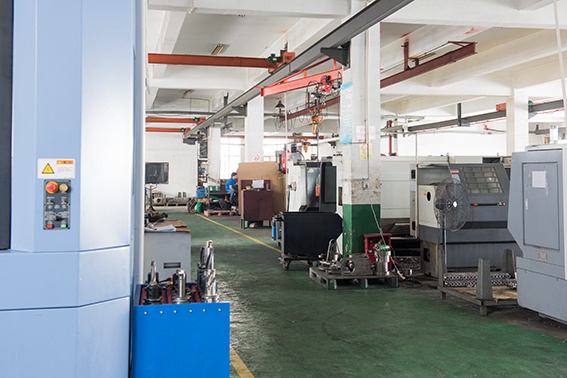
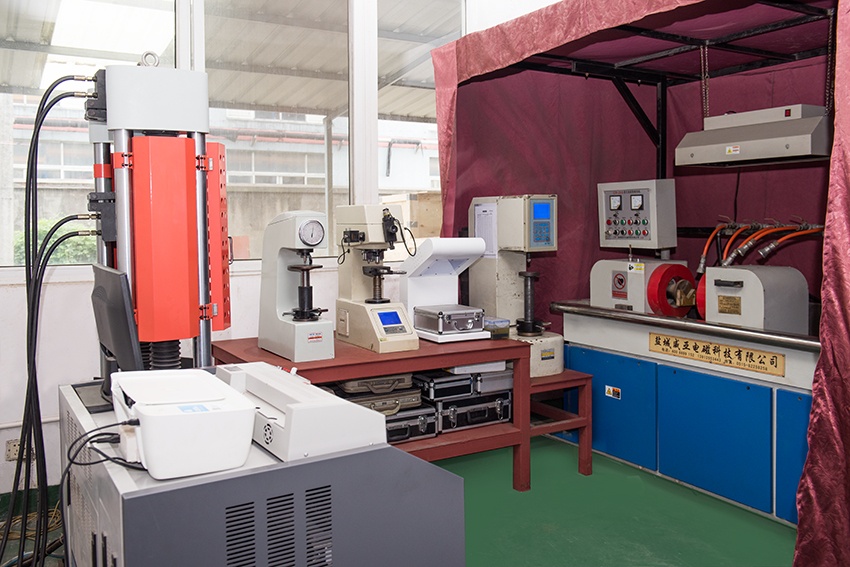
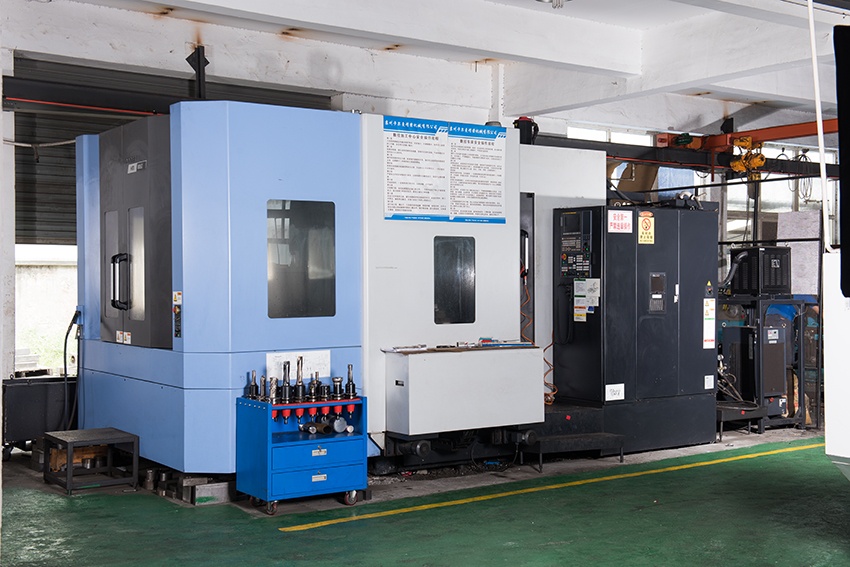
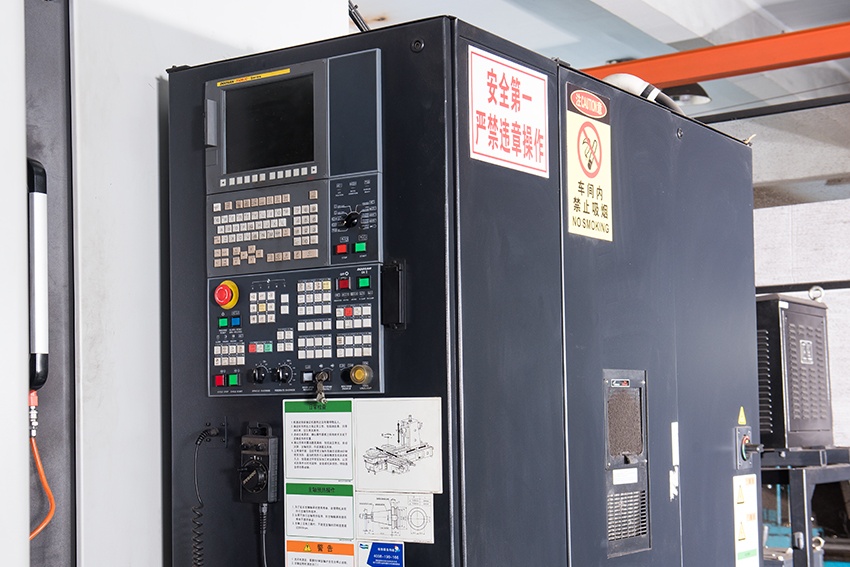
The evolution of offshore drilling into ultra-deepwater reservoirs has pushed standard materials to their limits. High-strength alloys like Inconel 718, Duplex, and Super Duplex stainless steels are increasingly specified for valve stems and gate cores to withstand sour service environments (H₂S/CO₂) and prevent chloride stress corrosion cracking. Furthermore, traditional chrome plating is being replaced by advanced thermal spray technologies.
Our High-Velocity Oxygen-Fuel (HVOF) coating process applies a dense, uniform layer of Tungsten Carbide (WC-Co) or Chromium Carbide to the gate and segment sealing faces. This process achieves a bond strength exceeding 75 MPa and a hardness rating of up to HV1500. The low porosity (<1%) of these coatings prevents micro-corrosion paths from developing beneath the coating layer, ensuring long-term bubble-tight gas sealing at pressures up to 140 MPa (20,000 psi).
Conducting a successful valve overhaul offshore requires strict adherence to international standards, primarily API Spec 6A (Specification for Wellhead and Tree Equipment) and API 6AR (Recommended Practice for Repair and Remanufacture of Wellhead and Tree Equipment). The overhaul workflow typically follows these key stages:
To be the most trusted long-term partner for our global customers. We envision a future where our advanced coating technologies eliminate downtime and maintenance costs for oilfield equipment. By mastering precision manufacturing, we strive to empower our clients to overcome the challenges of high pressure, corrosion, and severe wear.
To become the world's leading supplier of high-performance wear-resistant solutions for the oil & gas industry. We aim to set the global standard for thermal spray technology, enabling our customers to achieve higher efficiency, longer service life, and safer operations in extreme downhole environments.