
Leave Your Message
-
Contact WhatsApp
-
 Contact Phone
-
 Contact Email
Immediate-dispatch replacement parts engineered to exact OEM tolerances for offshore Christmas trees, choke & kill manifolds, and subsea tieback overhauls.


Analyzing the operational challenges, cost implications, and engineering shifts governing FLS gate valve maintenance on floating platforms, FPSOs, and subsea manifolds.
In modern offshore oil and gas operations, flow control valves serve as the definitive barriers against uncontrolled wellbore surges, hazardous fluid escapes, and cataclysmic environmental contamination. Among the primary architectural standards utilized across deepwater production platforms, tension-leg platforms (TLPs), and floating production storage and offloading (FPSO) units, the Cameron-style FLS gate valve remains an industry benchmark. Renowned for its full-bore, bi-directional, slab-gate configuration and metal-to-metal sealing principles, the FLS design operates under the most unforgiving working envelopes—enduring operational pressures spanning from 5,000 PSI to 20,000 PSI (34.5 to 138 MPa) and fluid temperatures fluctuating between -50°F (-46°C) and +350°F (+177°C).
However, the global offshore sector is undergoing a profound structural evolution. With deepwater reserves dominating new capital allocations and brownfield assets operating far beyond their original design lives, valve assemblies are subject to increasingly severe flow chemistries. The presence of hyper-saline produced water, abrasive frac-sand particulates, sour gas containing high concentrations of hydrogen sulfide (H₂S), and dense supercritical carbon dioxide (CO₂) triggers accelerated erosion, localized pitting, stress corrosion cracking (SCC), and explosive elastomeric decompression. In this harsh environment, an unexpected flow control valve failure on an offshore drilling deck or subsea riser manifold can incur direct non-productive time (NPT) losses exceeding $450,000 to $800,000 per day. Consequently, structured flow control valve overhauls utilizing precision-engineered FLS gate valve components have emerged as a paramount priority for offshore integrity managers and production superintendents worldwide.
Overhaul components engineered from high-nickel alloys and Inconel claddings designed to withstand high H₂S partial pressures in full alignment with NACE MR0175 / ISO 15156 standards.
Employing Praxair TAFA JP8000 supersonic flame spraying to deposit micro-dense Tungsten Carbide (WC-Co-Cr) coatings achieving surface micro-hardness above 1200 HV0.3 for abrasive fluid flow.
Precision lapping technologies producing optical flat surfaces (
A granular engineering assessment of critical valve anatomy, metallurgical requirements, and precision manufacturing tolerances during full turnaround rebuilds.
During an offshore flow control valve overhaul, technicians systematically disassemble, inspect, non-destructively test (NDT), remachine, or replace internal trim components. The integrity of an overhauled FLS valve relies entirely on the dynamic mechanical interplay between its internal components:
1. Slab Gate and Floating Seat Assemblies: As the primary throttling and shutoff elements, the parallel slab gate and seat rings rely on downstream line pressure to establish bi-directional fluid isolation. During high-velocity multiphase hydrocarbon flow containing abrasive proppant sand, the gate face and seat pockets suffer severe micro-galling, wire-drawing, and erosion tracks. Restoring these parts demands metallurgical perfection—utilizing AISI 4130, 410 Stainless Steel, or Inconel 718 substrates coated via High-Velocity Oxygen-Fuel (HVOF) spraying with Tungsten Carbide (WC-10Co-4Cr) or Chrome Carbide, followed by mechanized CNC flat lapping to establish absolute geometric flatness.
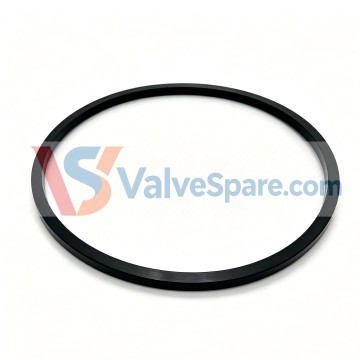
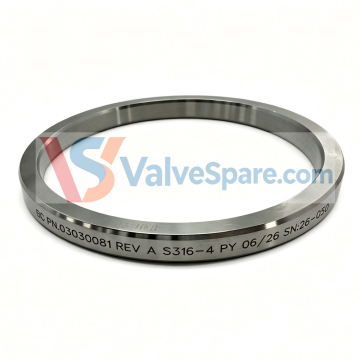
2. Pressure-Energized Bonnet Seal Rings & Gaskets: The bonnet-to-body interface is a critical non-welded primary containment boundary. In offshore high-pressure/high-temperature (HPHT) Christmas trees, conventional elastomeric seals are prone to rapid gas decompression (RGD) and thermal hardening. FLS overhaul specifications mandate the installation of precision-machined metallic bonnet seal rings (such as Type U, S, or BX configurations) crafted from corrosion-resistant 316L, 17-4PH, or Inconel 625, creating an elastic-plastic metal-to-metal wedge seal under bolt pre-tension.
3. Stem, Packing Glands, and Dynamic Stem Seals: The valve stem transmits manual or hydraulic torque through the bonnet into the valve cavity. Stem packing glands must prevent toxic hydrocarbon emissions into marine atmospheric zones. Overhaul kits incorporate spring-energized virgin PTFE or filled-PTFE lip seals, reinforced packing glands, and mirror-polished stem adapters that maintain dynamic sealing across thousands of stroke cycles without packing degradation.
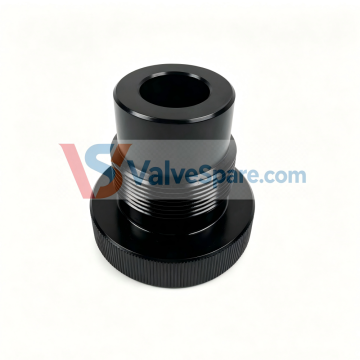
4. Retainer Plates, Bearing Caps, and Thrust Bearings: In hydraulic FLS DAN actuator systems and high-torque manual gear operators, retainer plates and heavy-duty bearing caps absorb massive axial thrust loads generated during valve cycling under full differential shutoff. Replacing worn thrust bearings, bearing cap O-rings, and retainer plates ensures low operating torque, preventing actuator stalling and mechanical fatigue in emergency shutdown (ESD) scenarios.
| Component Name | Standard Metallurgy / Substrate | Surface Treatment / Coating | Primary Offshore Function | API 6A PSL Class |
|---|---|---|---|---|
| Slab Gate & Seat Rings | AISI 4130 / 410SS / Inconel 718 | HVOF Tungsten Carbide (WC-Co-Cr) | Bi-directional metal-to-metal flow isolation | PSL 3 / 3G / 4 |
| Bonnet Seal Ring Gasket | AISI 316L / Inconel 625 / 17-4PH | Silver Plating / Passivation | Primary high-pressure body cavity containment | PSL 2 / 3 / 3G |
| Valve Stem & Adapter | Nitronic 50 / 17-4PH / Inconel 718 | Precision Ground & Hard Chrome / HVOF | Dynamic torque transmission & seal tracking | PSL 3 / 3G |
| Packing Gland & Retainer Plate | AISI 4140 / Stainless Steel 316 | Zinc-Nickel Plated / QPQ Nitriding | Stem packing compression & hydraulic plate lock | PSL 1 / 2 / 3 |
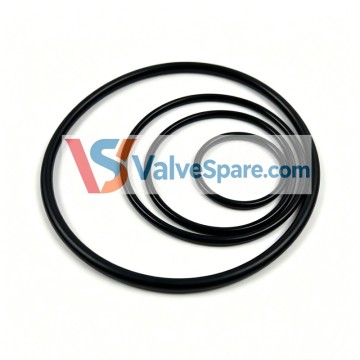
| ID/OD Face Seals & O-Rings | Virgin PTFE / PEEK / FKM AED-90 | Elastomeric Polymer Compound | Secondary anti-extrusion & gas containment | PSL 3 / 3G |
| Bearing Cap & Thrust Bearings | Alloy Steel 4140 / Bearing Bronze | Anti-Corrosion Phosphate Coating | Thrust load dissipation in manual/DAN actuators | PSL 1 / 2 / 3 |
15 years of dedicated engineering in supersonic flame spraying, proprietary wear coatings, and certified high-pressure flow control components.
In today's era of convenient internet communication, trust is scarce. We have always stayed true to our original aspiration, crafting valve products with meticulous craftsmanship, and winning recognition from global buyers.
Founded in 2011 in a humble workshop in Suzhou, our core mission was to break the monopoly of foreign high-end valve plates and seats, so that buyers would no longer have to rely on overpriced imported products. Facing industry pain points such as seat seal leakage and high-sulfur corrosion in oilfield applications, we stayed rooted in frontline operations, braving high temperatures and pressures to repeatedly test materials and optimize sealing structures, successfully resolving leakage issues.
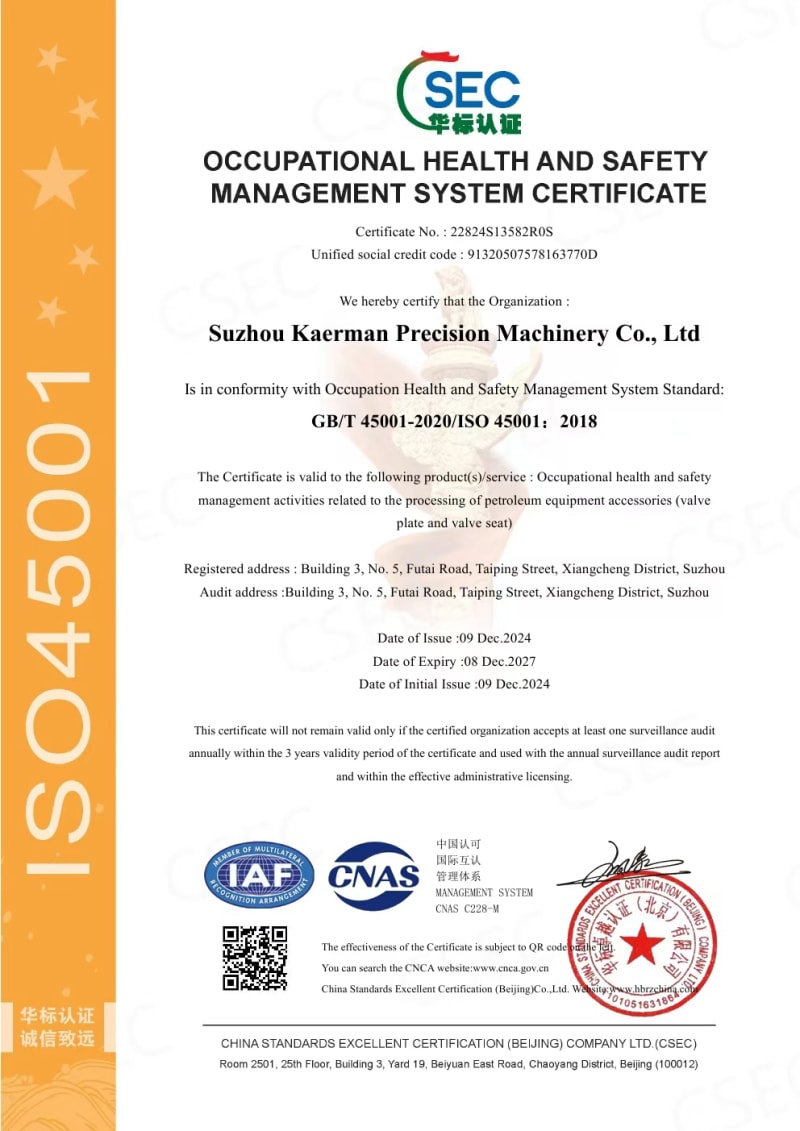
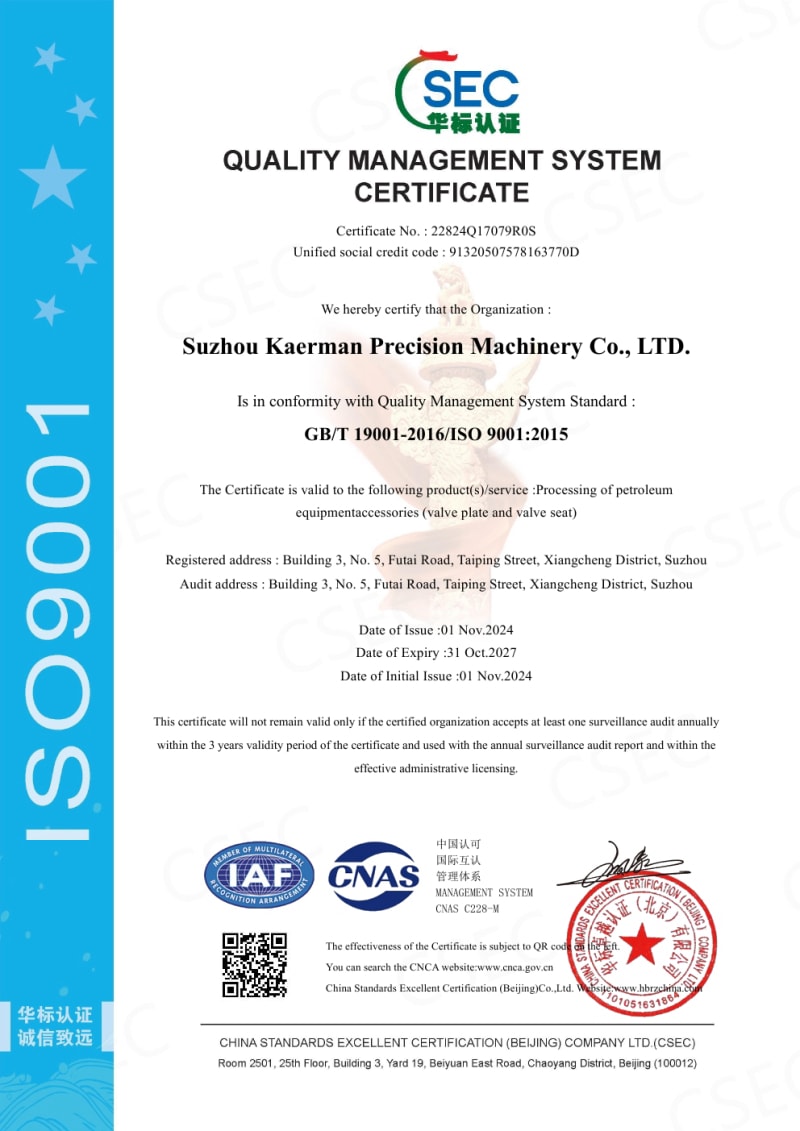
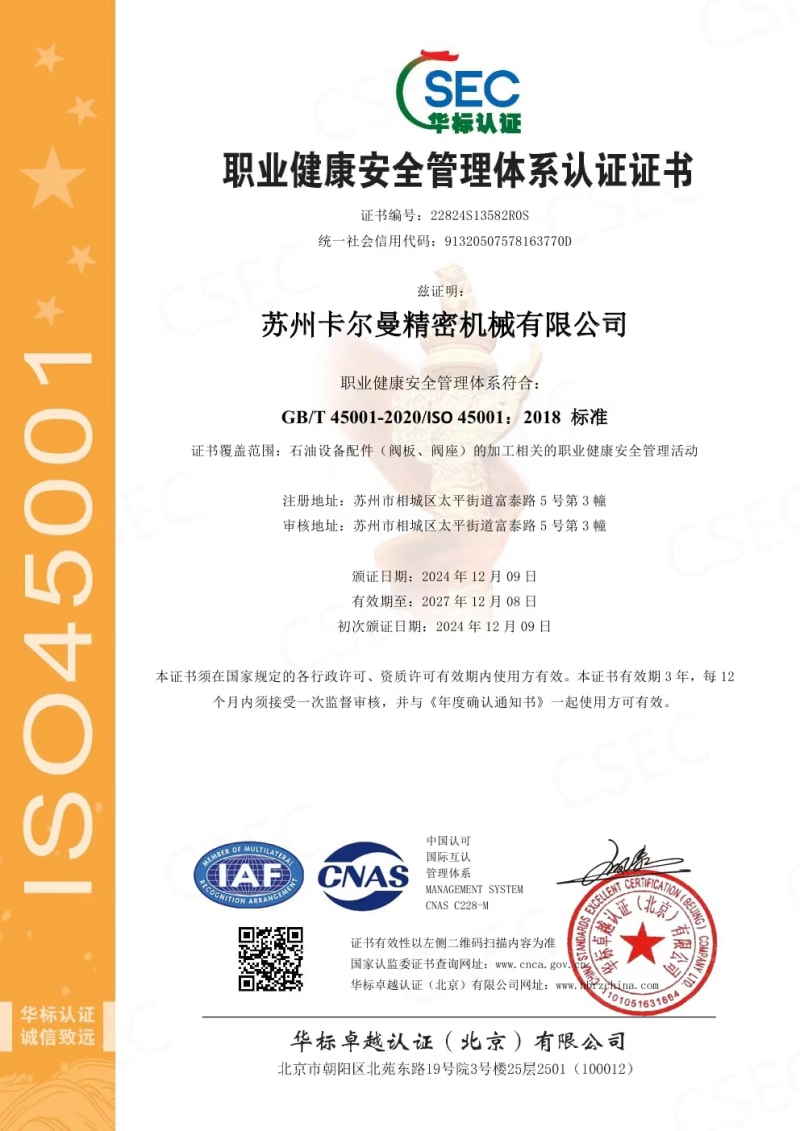
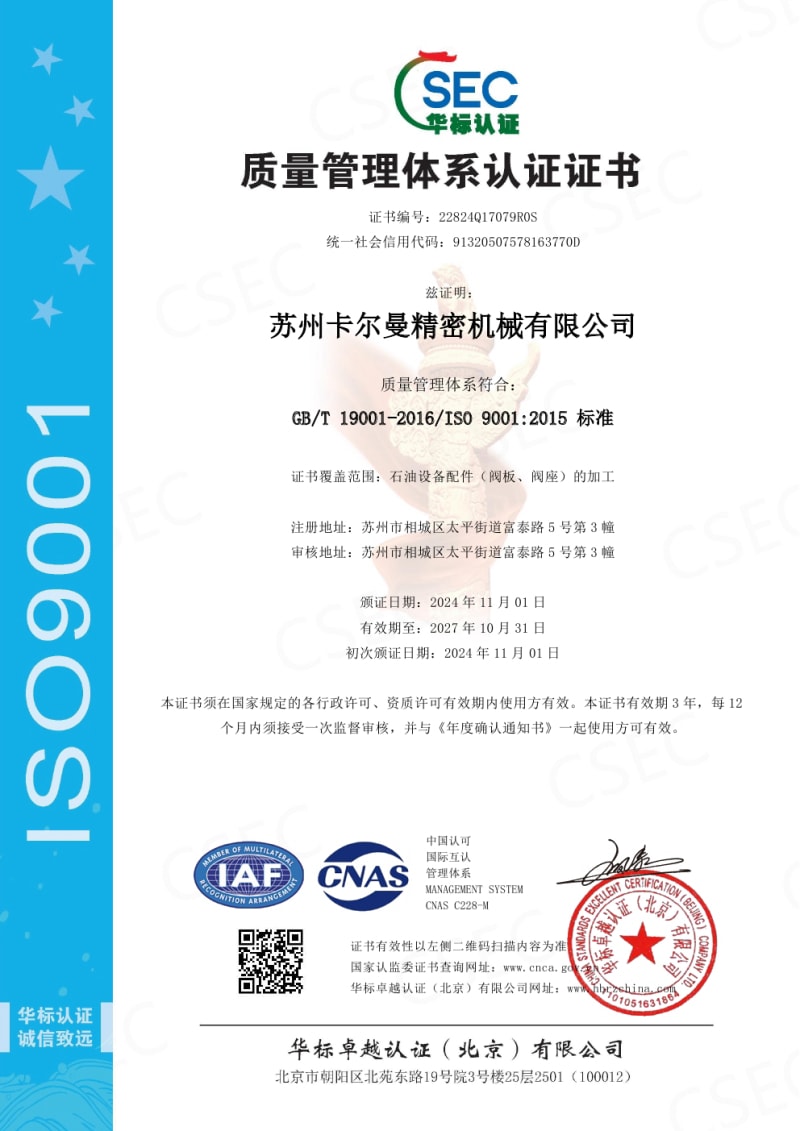
We are deeply committed to quality and have obtained API certification as well as the three management system certifications. From developing only valve plates and seats, we have grown into a partner capable of providing comprehensive solutions.
After 15 years of perseverance, we uphold our original aspiration with craftsmanship, and have become a trusted supplier of high-end valve accessories for global buyers through professionalism and sincerity.
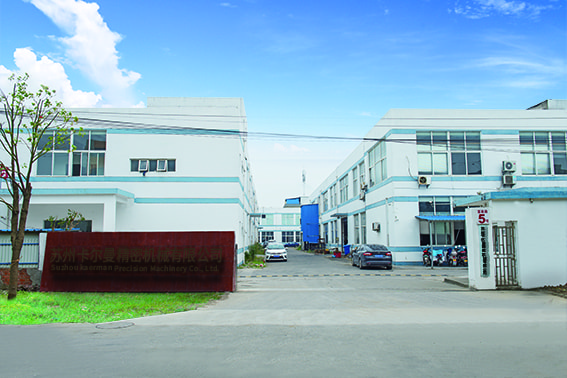
We are a team of seasoned engineers and technicians with years of hands-on experience in supersonic flame spraying for petroleum machinery. All core operators receive systematic professional training, bringing deep expertise in thermal spray technology and quality control.
We specialize in manufacturing precision wear-resistant parts (including valve gates, wellhead components, and sealing parts) using advanced PRAXAIR TAFA JP8000 supersonic flame spraying equipment. We customize coating processes and parameters for different products to deliver exceptional performance under extreme working conditions.
We solve critical pain points for oil & gas operators and offshore service contractors:
How predictive intelligence, supersonic metallurgy, and automated re-manufacturing are reshaping life-cycle management for offshore assets.
The offshore valve maintenance paradigm is shifting from calendar-based reactive servicing to digitalized, condition-directed overhaul strategies. As international exploration ventures into ultra-deepwater plays exceeding 3,000 meters, flow control systems demand unprecedented reliability standards:
1. AI-Powered Predictive Maintenance & Acoustic Emission Monitoring: Modern offshore manifolds are increasingly equipped with non-intrusive high-frequency acoustic emission (AE) sensors and digital valve positioners. By monitoring internal acoustic signatures and differential pressure micro-fluctuations during valve cycling, machine-learning algorithms identify initial seat leakage, cavitation erosion, and stem packing bypass long before catastrophic blowout occurs. Overhaul teams utilize these diagnostic datasets to pre-order tailored FLS replacement kits, optimizing platform maintenance schedules and slashing turnaround duration.
2. Advanced Nanocomposite HVOF and Laser Cladding: While conventional Stellite hardfacing remains prevalent in legacy equipment, modern FLS overhauls rely on ultrafine sub-micron Tungsten Carbide powders deposited via PRAXAIR TAFA JP8000 supersonic systems. The resulting coating microstructure exhibits porosity below 0.5% and bond strengths exceeding 10,000 PSI (70 MPa). For hyper-corrosive sour fields containing free elemental sulfur, laser-clad Inconel 625 overlay barriers provide continuous metallurgical bonds immune to delamination under rapid decompression.
3. Circular Economy and Standardized Re-Manufacturing: Instead of scrapping complete high-tonnage forged valve bodies, operators are turning to standardized re-manufacturing programs. By replacing the entire dynamic internal stack—gates, seats, bonnet seals, stem packing sets, and bearing caps—with 100% interchangeable precision components, operators restore the valve to nominal API 6A PSL 3G specifications at approximately 35% to 45% of the capital expenditure (CAPEX) required for a new valve body, while eliminating 16-to-26-week lead times.
Stringently manufactured under API Spec 6A, ISO 9001:2015, ISO 14001:2015, and ISO 45001:2018 management systems.
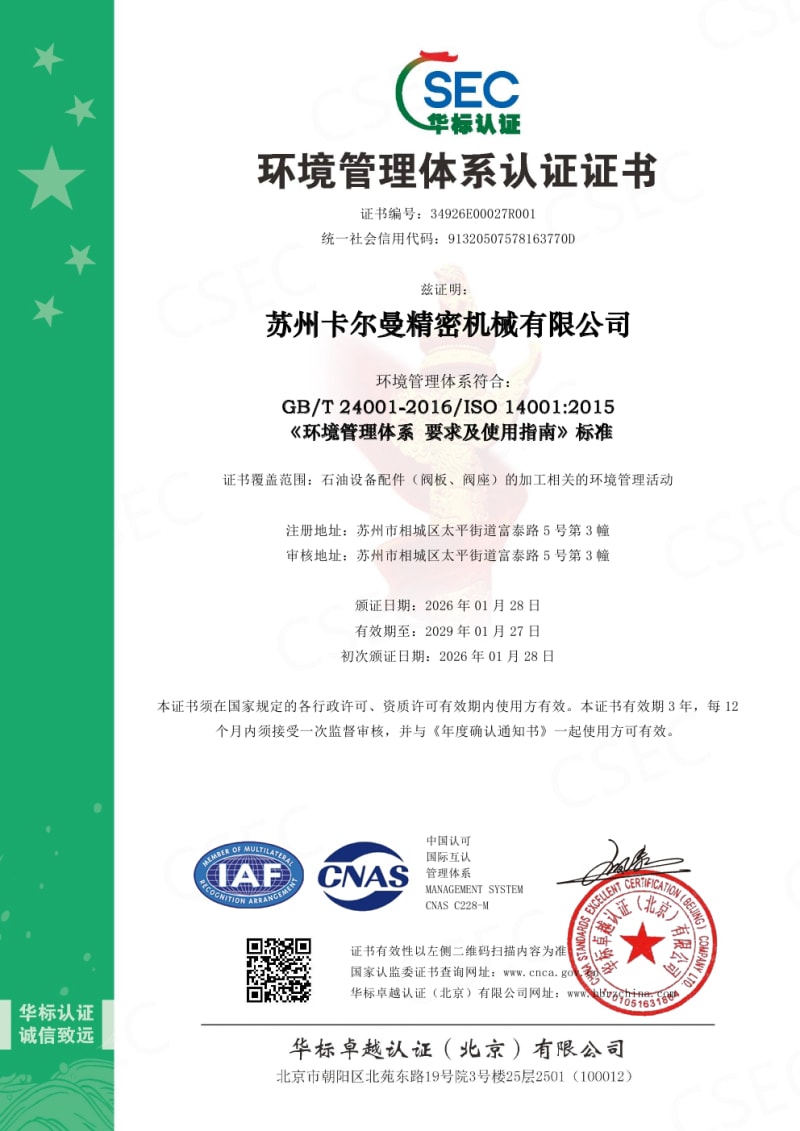
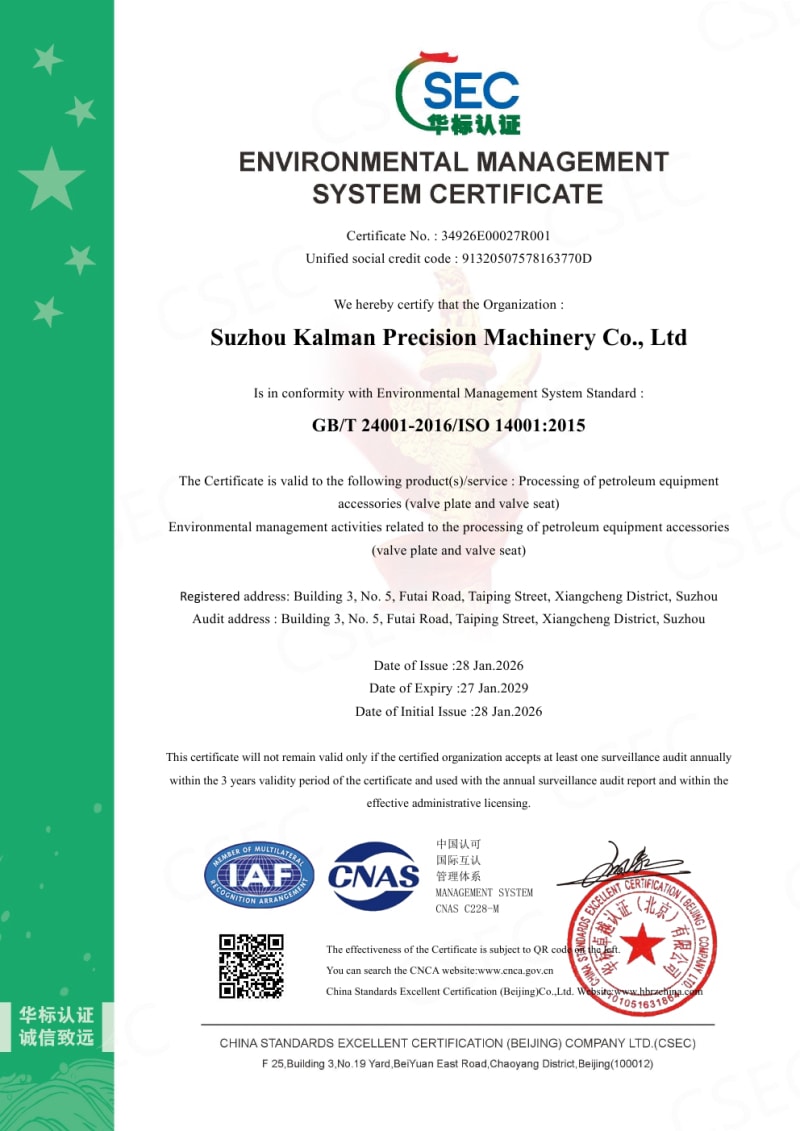
Select from our complete range of certified replacement trims, bonnet seals, packing assemblies, and hydraulic actuator plates for rapid offshore deployment.