
Leave Your Message
-
Contact WhatsApp
-
 Contact Phone
-
 Contact Email
As conventional oil and gas reservoirs deplete globally, upstream energy operators are pushing into sour gas plays, ultra-deep carbonate fields, and geothermal extraction sectors with hydrogen sulfide (H2S) concentrations frequently exceeding 15% to 35%, accompanied by high carbon dioxide (CO2) and hyper-saline formation brines.
Atomic hydrogen liberated during anaerobic iron-sulfide corrosion penetrates the metallic crystal lattices of gate valve stems, retainer plates, and bearing races. Trapped hydrogen causes brittle intergranular fractures without prior plastic deformation, demanding absolute hardness control below 22 HRC in strict conformance with NACE MR0175 / ISO 15156 standards.
In high-pressure gas extraction (up to 15,000 to 20,000 psi), volatile sour gas molecules dissolve into elastomeric packing rings and bearing cap O-rings. Sudden line shutdowns or pressure releases cause explosive micro-cavitation and blistering inside standard polymers, requiring specialized explosive decompression resistant fluoroelastomers (AED/RGD FKM/FFKM) and virgin/filled PTFE face seals.
Downhole sour gas extraction is never pure vapor; it carries micro-fine quartz proppant sand, condensed acidic formation water, and volatile hydrocarbons at velocities exceeding 30 m/s. The resulting synergy of mechanical scouring and chemical dissolution strips passive chromium oxide films, destroying unprotected gate faces and seat rings within operational weeks.
Unlike expanding gate mechanisms that introduce complex linkages susceptible to binding in sand-laden sour wells, the FLS design utilizes a bi-directional solid slab gate with floating seat rings to deliver zero-leakage shutoff.
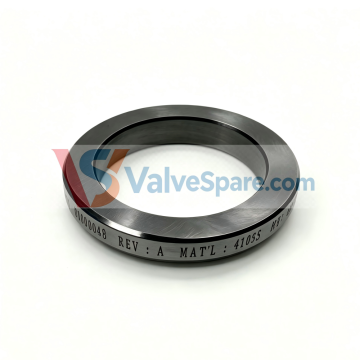
The FLS gate valve relies on the upstream fluid pressure energizing the floating seat ring against the flat parallel faces of the slab gate, which in turn presses against the downstream seat ring to achieve a dependable metal-to-metal primary seal. In high H2S service, this metal-to-metal interface must remain pristine.
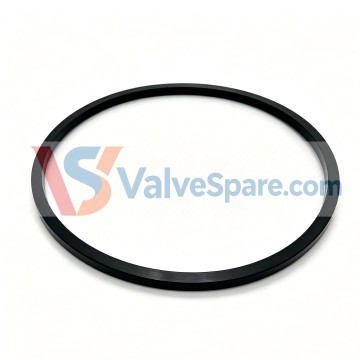
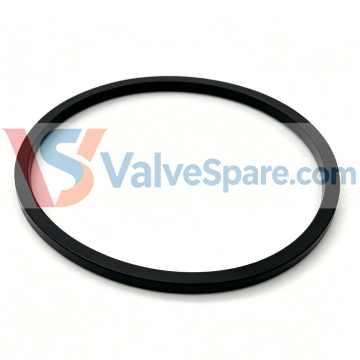
Behind each seat ring sits an OD and ID face seal assembly. The Teflon (PTFE) face seal prevents fluid migration around the outer circumference of the seat pocket. If these secondary seals experience extrusion or chemical embrittlement, sour gas migrates into the valve body cavity, causing body-bonnet seal degradation, packing blowout, and stem seizing.
Our specialized ID/OD face seals utilize virgin or proprietary carbon-graphite filled PTFE compounds featuring elevated creep resistance, ultra-low gas permeation coefficients, and complete chemical inertness toward H2S, CO2, elemental sulfur, and injection solvents such as methanol and corrosion inhibitors.
Mitigating sour service degradation requires superior base materials combined with cutting-edge thermal spray technologies. Uncoated alloy steels fail prematurely through localized pitting and sulfide stress cracking.
To maintain bubble-tight gas containment over extended operational lifecycles, our FLS gate valve components utilize solid forged superalloys—including Inconel 718 (UNS N07718), Incoloy 825, and AISI 4130 / 4140 modified alloys subjected to strict double-tempering heat treatments to ensure yield strength without exceeding NACE MR0175 hardness thresholds.
For the critical sealing zones between the slab gate and seat rings, we apply supersonic High-Velocity Oxygen-Fuel (HVOF) thermal spray coatings. By spraying nanostructured Tungsten Carbide-Cobalt-Chromium (WC-10Co-4Cr) particles at velocities exceeding Mach 3, we achieve an ultra-dense, non-permeable metallurgical protective barrier.
High differential pressures during emergency shut-in generate tremendous shear forces across the gate face. Conventional plating or inferior coatings delaminate, producing catastrophic internal bypass. Our HVOF coatings guarantee mechanical bond strengths exceeding 75 MPa, resisting mechanical stripping under full bore differential pressure.
H2S molecules are minuscule and rapidly diffuse through microscopic voids in porous coatings, reacting with underlying substrate steel to generate expansive iron sulfide blisters that push coatings off the base metal. With porosity controlled strictly below 0.5%, our coatings offer complete barrier protection against sour gas penetration.
Following robotic HVOF application, our gate and seat sealing faces undergo precision multi-stage diamond flat lapping. We achieve surface roughness ratings below Ra 0.08 μm (mirror finish) with optical flatness within 2 light bands, minimizing dynamic operating torque and preventing micro-abrasions on Teflon secondary seals.
FLS gate valve components operate in the most unforgiving extraction environments across the global energy infrastructure. Here is how specialized spares deliver mission-critical reliability across three major operational sectors.
In deep sour formations such as the Tengiz basin, Kashagan, and the Sichuan carbonate plays, wellhead pressures reach 10,000 to 15,000 psi with H2S concentrations up to 25%. FLS wing valves and master valves must remain capable of cycling immediately during emergency shutdowns. If thrust bearings corrode or bearing races deform under extreme stem axial thrust loads, handwheel torque spikes drastically, causing valve lockup.
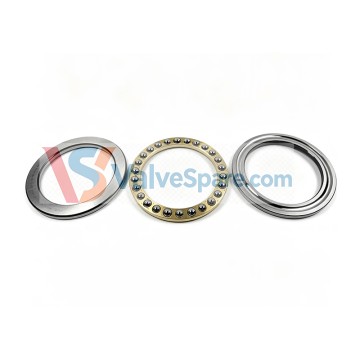
Our high-capacity thrust bearings utilize precision-ground, corrosion-resistant alloy rollers with case-hardened races, allowing effortless stem rotation even under severe static line pressures. Combined with Teflon stem packing energized by Inconel wave springs, the assembly guarantees absolute containment of lethal sour gases at ambient and elevated wellhead temperatures.
Acid Gas Injection involves compressing concentrated H2S and CO2 mixtures into supercritical dense-phase fluids for reinjection into deep geological reservoirs or depleted oil reservoirs for enhanced oil recovery (EOR). Supercritical acid gas exhibits unique solvent characteristics that aggressively strip standard lubricants and dissolve conventional elastomeric seals.
Our FLS gate valve OD and ID face seals, manufactured from high-crystallinity virgin and filled PTFE, are impervious to the solvent extraction behavior of supercritical CO2 and H2S. They provide consistent resilience without swelling, shrinkage, or explosive decompression failure during rapid manifold cycle changes.
During drilling operations across overpressured sour formations, choke manifolds endure intermittent abrasive slurries composed of weighted barite drilling muds, sour gas kicks, and abrasive shale drill cuttings. Standard gate guides and retainer plates endure severe vibration, turbulent vortex shedding, and high-velocity slurry impact.
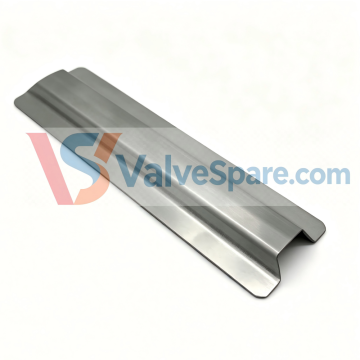
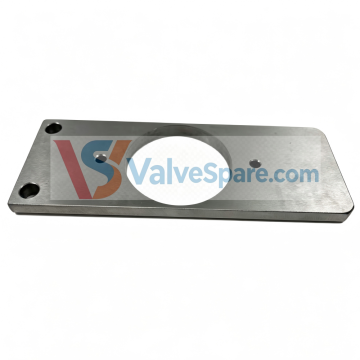
Our precision-cast and CNC-milled gate guides for FLS and FC type valves ensure rigid lateral alignment of the slab gate during rapid cycling. By preventing gate chatter and misalignment, our retainer plates and gate guides eliminate uneven seat wear and protect the costly slab gate from micro-gouging caused by trapped solids.
The global energy landscape is undergoing a structural transformation characterized by stricter environmental mandates, fugitive emission clampdowns, and a growing emphasis on lifecycle economics over initial capital expenditures.
Total Cost of Ownership (TCO) Dominates Procurement: Historically, operators in sour gas extraction frequently treated gate valve spares as consumable commodities, replacing damaged components every 6 to 12 months during scheduled workovers. Today, with offshore workover costs exceeding $300,000 per day, operators have shifted toward premium components built with extended mean time between maintenance (MTBM). High-velocity thermal coatings and engineered fluoropolymer seals prevent catastrophic failures and extend valve operational life by over 300%.
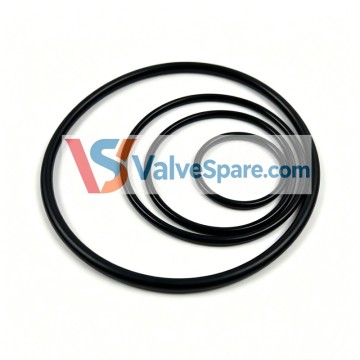
Fugitive Emissions & Decarbonization Mandates: International regulatory bodies, backed by standards such as ISO 15848-1 (Class AH) and API 622/624, are imposing near-zero fugitive emission limits for wellhead isolation valves. In sour service, fugitive emissions of H2S pose catastrophic occupational health and safety hazards. Precision-machined FLS components—specifically bearing cap O-rings, stem packing sets, and mirror-finished stems—eliminate micro-leak paths, supporting ESG and safety compliance.
Digital Quality Validation & Material Traceability: Looking toward the future, full mill test report (MTR) digitalization, 100% positive material identification (PMI) using handheld XRF analyzers, and automated coordinate measuring machine (CMM) dimensional verification are standard requirements for sour service. Every batch of our FLS replacement spares undergoes rigorous non-destructive examination (NDE), including wet fluorescent magnetic particle testing and ultrasonic inspection, ensuring zero subsurface discontinuities before shipment.
Our core competitive advantage lies in industry-leading coating technology and strict quality control:
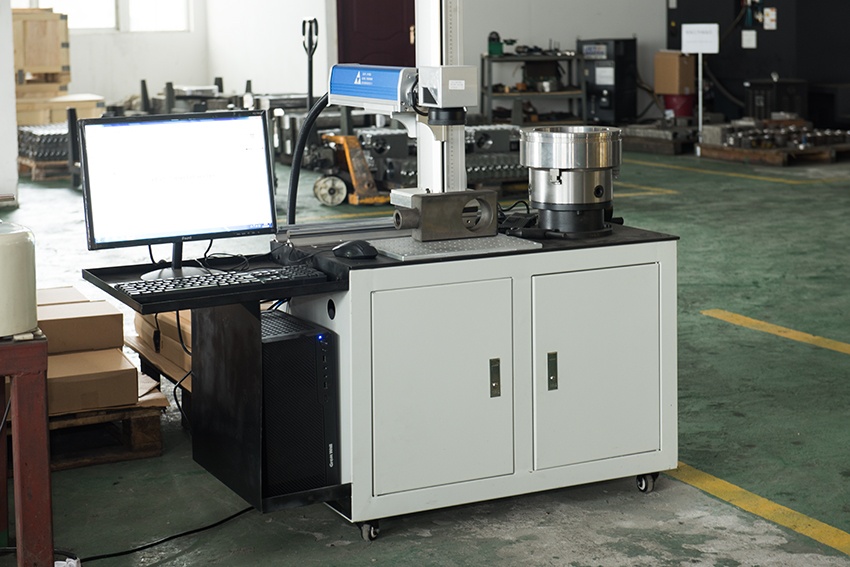
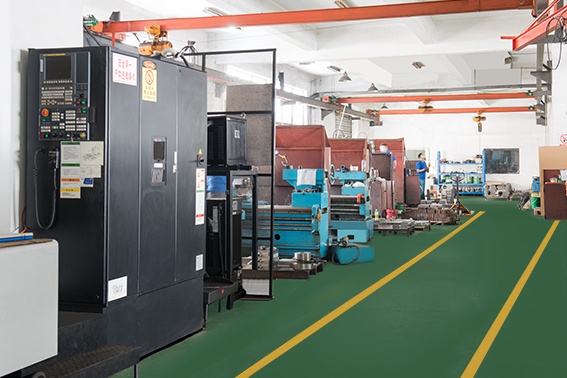
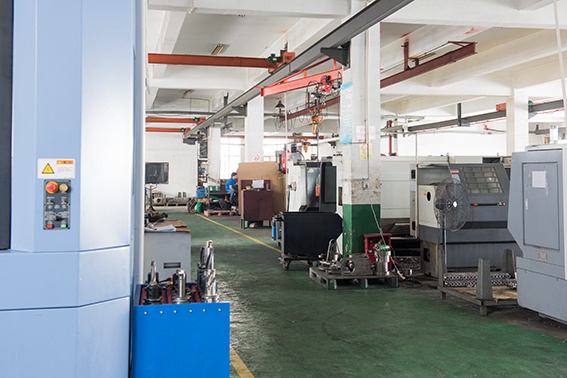
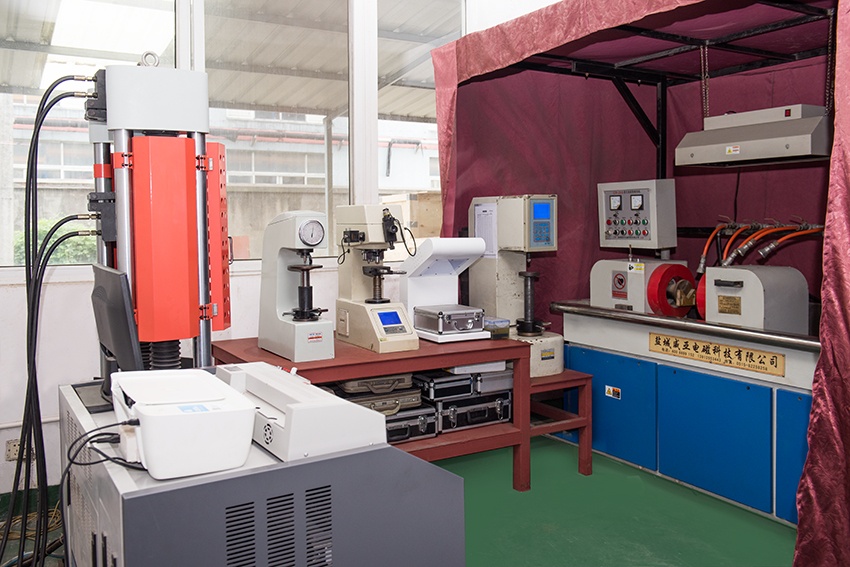
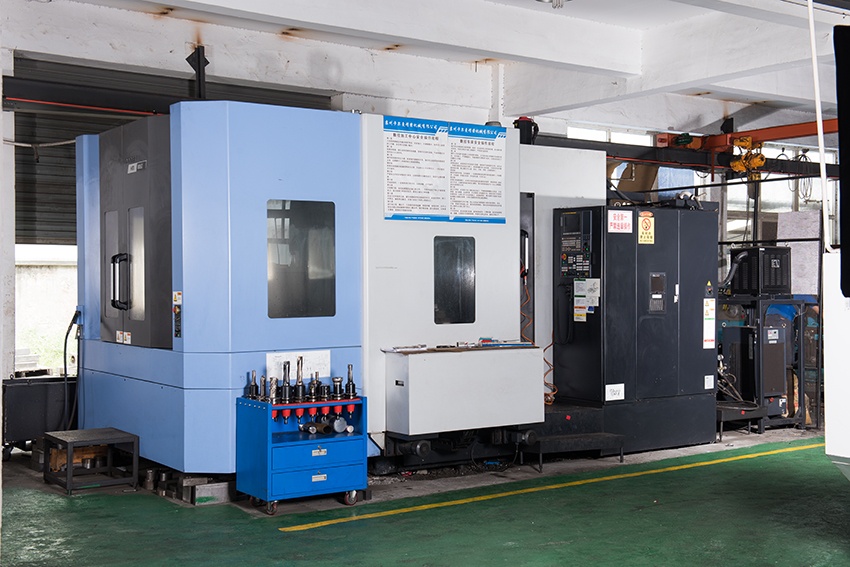
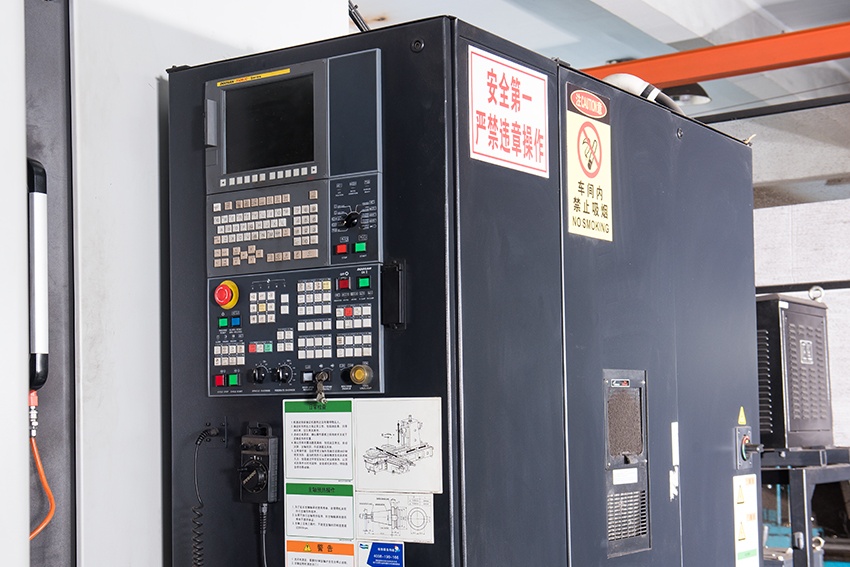
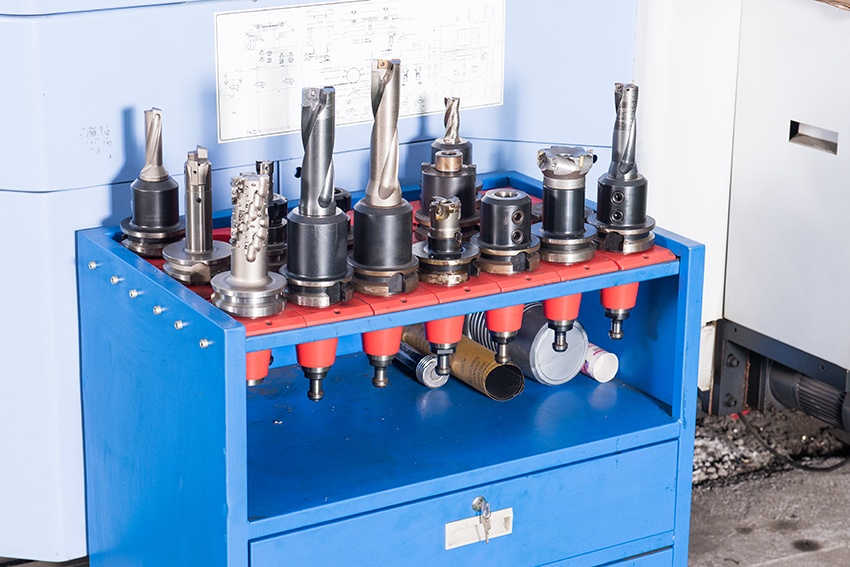
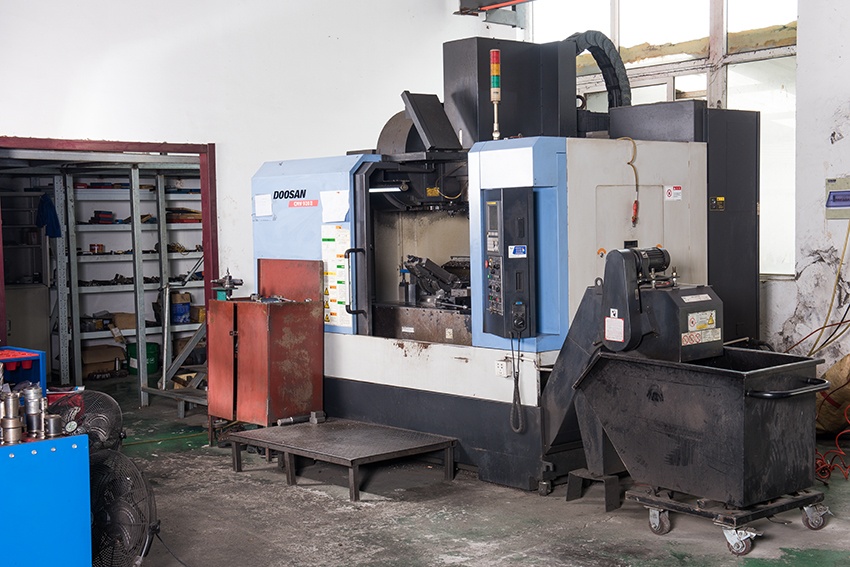
Advanced CNC multi-axis machining centers, robotic thermal spray systems, precision automated flat lapping machines, and comprehensive metallographic inspection laboratories guarantee component interchangeability and extreme sour gas service reliability.
Verified feedback from international operators, drilling contractors, and wellhead service companies relying on our FLS and FC gate valve components in aggressive production wells.
To be the most trusted long-term partner for our global customers. We envision a future where our advanced coating technologies eliminate downtime and maintenance costs for oilfield equipment. By mastering precision manufacturing, we strive to empower our clients to overcome the challenges of high pressure, corrosion, and severe wear.
To become the world's leading supplier of high-performance wear-resistant solutions for the oil & gas industry. We aim to set the global standard for thermal spray technology, enabling our customers to achieve higher efficiency, longer service life, and safer operations in extreme downhole environments.