
Leave Your Message
-
Contact WhatsApp
-
 Contact Phone
-
 Contact Email
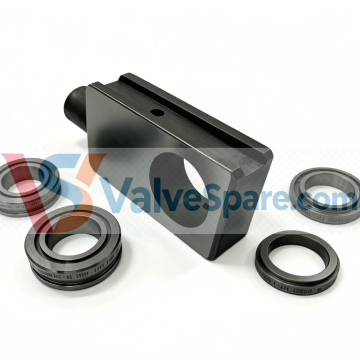
Direct-fit replacement assemblies designed to restore API 6A gate valves to factory tolerance during offshore platform overhauls.
In offshore hydrocarbon extraction, flow control valves situated across Christmas trees, production choke manifolds, and emergency shutdown skids operate under severe physical and chemical duress. Flow regimes consistently present high differential pressures reaching up to 15,000 to 20,000 psi, coupled with multi-phase mixtures of wet gas, corrosive formation water, and abrasive sand. In such aggressive environments, traditional elastomeric or polymer inserts rapidly fail due to explosive decompression (AED), chemical softening, and severe extrusion. Consequently, the metal seal gate valve seat stands as the undisputed industry benchmark for sustaining absolute, bi-directional zero-leakage isolation.
During offshore planned maintenance outages and brownfield revamps, overhauling flow control valves represents a mission-critical activity. Offshore rig rates and support vessel fees can easily exceed several hundred thousand dollars per day; an unexpected valve leakage that forces emergency production shut-in causes staggering financial losses and serious environmental risks. Refurbishing flow control valves with high-performance metal seal gate valve seats guarantees that the valve barrier envelope satisfies API Spec 6A PR2 validation criteria, delivering long-term peace of mind in high-pressure, high-temperature (HPHT) and sour ($H_2S$/$CO_2$) offshore wells.
Engineered for high differential gas pressure isolation with supersonic HVOF coating matrices that eliminate helium/nitrogen leakage under extreme differential testing.
Tungsten Carbide and Stellite overlays deliver supreme micro-abrasion defense, preventing deep galling caused by proppants and high-velocity frac fluid flowback.
Super-finished mirror surfaces eliminate microscopic asperities, yielding immediate, bubble-tight metal contact while sharply reducing actuation torque.
In offshore flow control valve retrofits, the metallurgical pairing of the gate blade and seat ring dictates the assembly's overall longevity. When an offshore gate valve opens or closes under thousands of pounds of differential line pressure, the gate travels across the seat face while bearing enormous compressive forces. If the surface hardness and microstructure are inadequate, severe galling, material pick-up, and micro-welding will occur instantly. To overcome these harsh tribological conditions, specialized thermal spray and overlay coatings are applied to the base forging materials.
We utilize substrate base materials conforming to strict NACE MR0175/ISO 15156 requirements, ranging from low-alloy forged steels like AISI 4130 to high-nickel superalloys such as Inconel 718, Inconel 625, and UNS S32750 (Super Duplex). On sealing contact surfaces, High Velocity Oxygen Fuel (HVOF) thermal spray technology applies dense Tungsten Carbide-Cobalt-Chromium (WC-Co-Cr) or Nickel-based alloys. The kinetic energy generated during HVOF deposition compresses the coating particles, yielding an ultra-dense structure with bond strength exceeding 75 MPa and porosity under 1%.
| Parameter | Standard Specification | Offshore Severe Service / HPHT |
|---|---|---|
| Base Materials | AISI 4130 / 4140, AISI 410 Stainless Steel | Inconel 718, Inconel 625, UNS S31803 / S32750 |
| Hardfacing Technology | PTA Stellite 6, Flame Spray NiCrBSi | Supersonic HVOF Tungsten Carbide (WC-10Co-4Cr) |
| Surface Hardness | HRC 40 – 48 (Stellite) | HV0.3 1100 – 1500 (Tungsten Carbide Overlay) |
| Coating Bond Strength | > 50 MPa (ASTM C633) | ≥ 75 MPa (Dense mechanical-metallurgical bond) |
| Surface Roughness (Ra) | Ra 0.2 – 0.4 μm | Ra < 0.1 μm (Mirror Lapped within 2 Light Bands) |
| Compliance Standard | API Spec 6A PSL 1 - 2 | API Spec 6A PSL 3 / 3G / 4, PR2, NACE MR0175 |
Following the thermal spray coating process, precision CNC diamond grinding and progressive diamond flat lapping are conducted. Our proprietary multi-stage lapping achieves an optical flatness within 2 to 3 helium light bands (less than 1 micron of total surface deviation). This mirror finish guarantees that when line pressure acts upon the floating slab gate, the contact stress distributes evenly across the entire circumference of the seat face. The resulting seal effectively arrests gas molecules without requiring supplementary sealing grease, thereby eliminating grease washout problems downstream.
A successful offshore maintenance campaign requires rigorous planning and methodical overhaul procedures. Flow control valves on deepwater production platforms, FPSOs (Floating Production Storage and Offloading vessels), and tension-leg platforms are subject to continuous vibration, high sand velocity, and thermal cycling. When technicians conduct an offshore valve overhaul, exchanging the gate and seat assembly is the single most critical intervention. The systematic refurbishment process typically involves:
1. Comprehensive On-Site Disassembly & Cleaning: Once the production loop is safely depressurized and purged with inert nitrogen, the valve bonnet assembly is unbolted. Heavy crude, asphaltic residues, scale deposits, and drill cuttings are removed using specialized non-corrosive solvents. The valve body cavity and internal seat pockets undergo rigorous visual inspection for erosion channels or pitting.
2. Seat Pocket Dimensional Verification: The seal between the seat ring and the valve body relies on precision elastomeric or metallic secondary seals (such as Inconel energizing springs and back-up rings). Over thousands of operating cycles, seat pocket shoulders can suffer fretting wear and wash-erosion. Overhaul technicians gauge seat bore tolerances, parallelism, and concentricity. If dimensions fall outside API 6A acceptable limits, portable field re-machining and boring tools re-establish the critical internal seating faces.
3. Non-Destructive Examination (NDE): All re-machined surfaces, valve stems, and replacement metal seal seats are subjected to magnetic particle inspection (MPI) or liquid dye penetrant testing (DPI) in accordance with ASME Section V standards. This step guarantees that no micro-cracks have propagated from cyclic hydraulic shock or sour service stress cracking.
4. Installation of Matched Gate and Seat Pairs: Replacement gate and seat assemblies must always be installed as dynamically matched pairs. Hand-lapping the gate face against its corresponding seat using ultrafine diamond compound creates a pristine, mated contact surface that optimizes bidirectional sealing under micro-differential pressures.
5. Hydrostatic Shell, Seat and Gas Pressure Testing: The reassembled valve undergoes high-pressure hydrostatic shell testing at 1.5 times working pressure, followed by high- and low-pressure bidirectional seat isolation testing according to API 6A Annex F (PR2 testing). High-pressure nitrogen gas testing ensures zero bubbles over a 15-minute hold cycle, validating that the offshore valve is 100% prepared for harsh subsea manifold and wellhead reconnection.
Our core competitive advantage lies in industry-leading coating technology and strict quality control:
The global offshore upstream sector is experiencing a pronounced shift toward life-extension programs for mature assets, subsea tiebacks, and deepwater exploration in ultra-sour reservoirs. Rather than incurring multi-million dollar capital expenditures for complete valve body replacements, offshore operators prioritize comprehensive component-level rebuilds. Utilizing top-tier replacement wear parts—such as metal seal gate valve seats, high-tensile stems, and precision stem adapters—operators can restore valve assemblies to pristine original equipment specifications at a fraction of the cost, achieving up to 60-70% savings compared to procuring entirely new valve bodies.
At the technological forefront, two major advancements are reshaping flow control valve turnaround strategies:
Advanced additive manufacturing and high-precision laser cladding are increasingly deployed to restore worn gate valve seat pockets and base forgings. Unlike traditional arc welding, laser cladding delivers a focused, minimal heat-affected zone (HAZ), eliminating thermal distortion in critical sealing zones. Applying Stellite and nickel-chromium overlays via automated robotic lasers provides defect-free metallurgical bonding, substantially extending the mean time between failures (MTBF) for offshore wellhead assemblies.
Modern offshore platforms and unmanned floating facilities are increasingly incorporating digital-twin predictive maintenance networks. Non-intrusive high-frequency acoustic emission (AE) sensors clamp directly onto valve bodies to capture the ultra-subtle ultrasonic vibrations produced by micro-cavitation and gas migration across seating faces long before pressure gauges register a drop. When predictive analytics detect micro-leakage signatures early, maintenance teams can schedule valve overhauls smoothly during scheduled maintenance campaigns, avoiding catastrophic emergency shutdowns and preventing costly production flaring.
To be the most trusted long-term partner for our global customers. We envision a future where our advanced coating technologies eliminate downtime and maintenance costs for oilfield equipment. By mastering precision manufacturing, we strive to empower our clients to overcome the challenges of high pressure, corrosion, and severe wear.
To become the world's leading supplier of high-performance wear-resistant solutions for the oil & gas industry. We aim to set the global standard for thermal spray technology, enabling our customers to achieve higher efficiency, longer service life, and safer operations in extreme downhole environments.
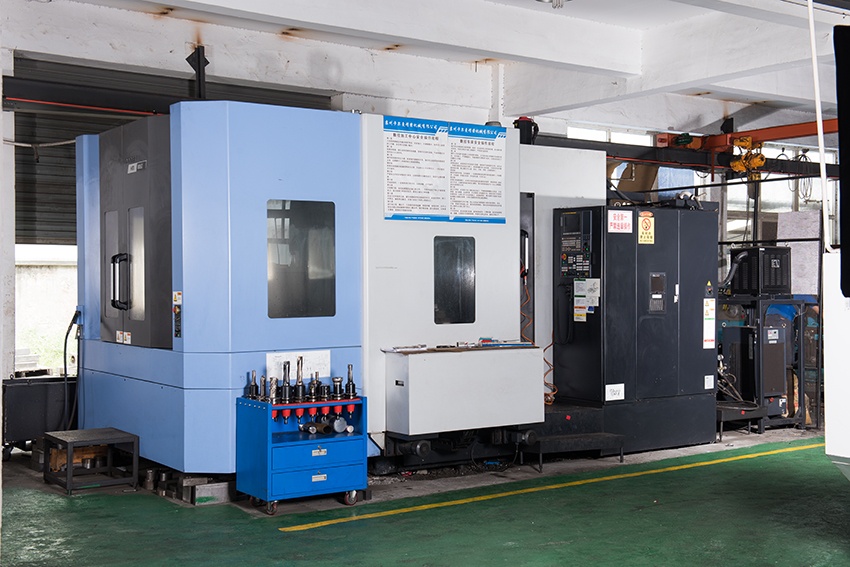
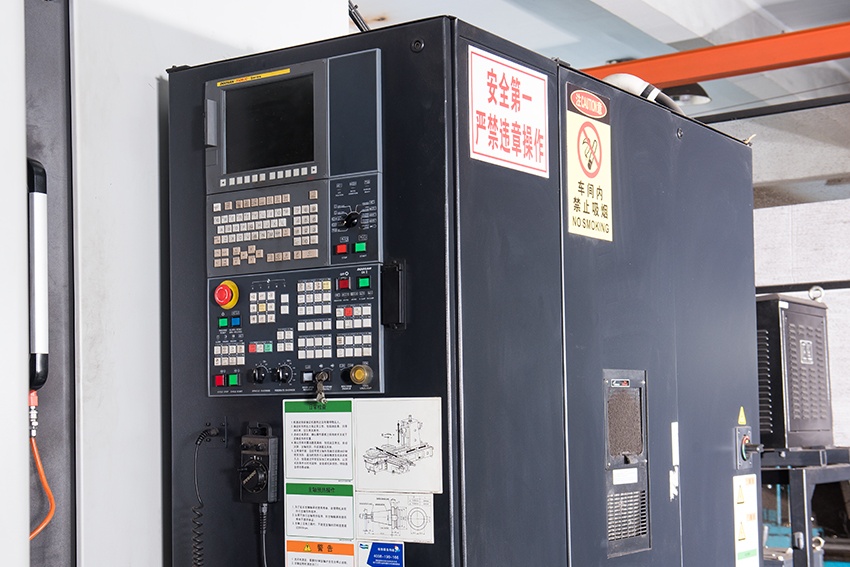
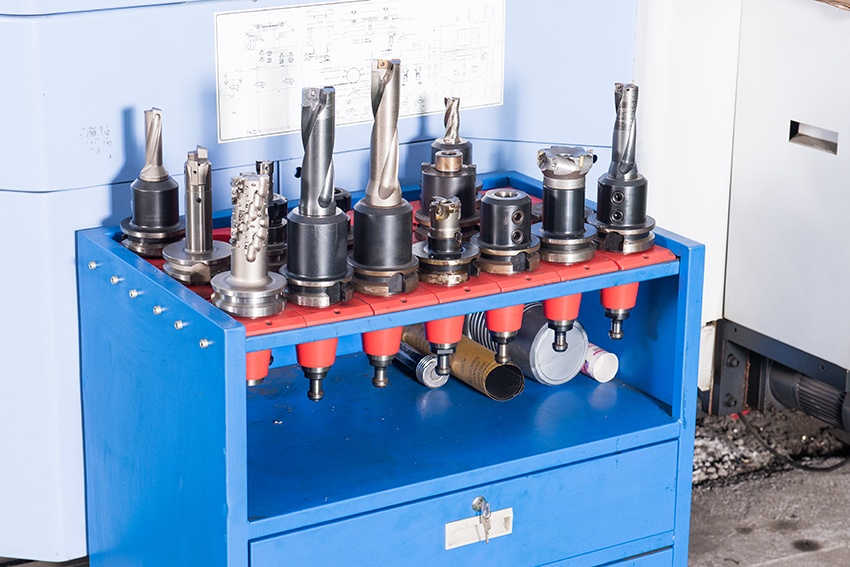
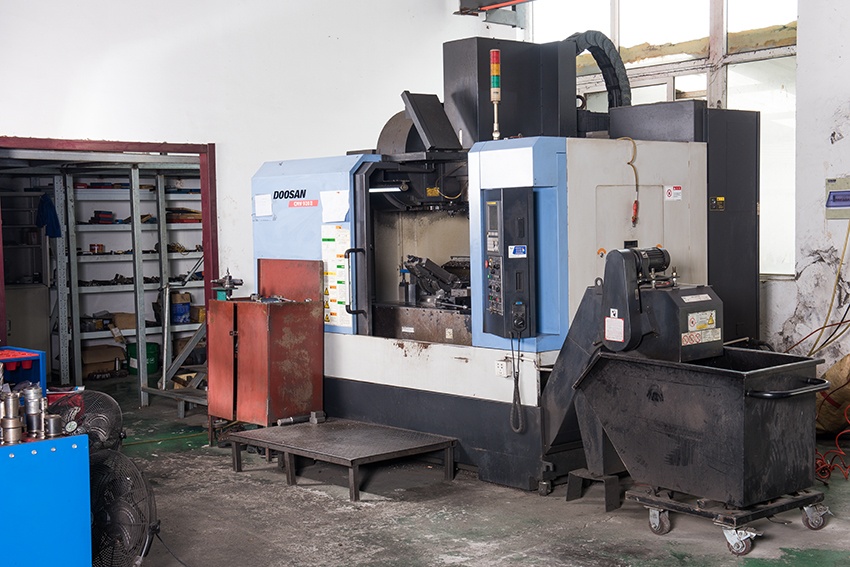
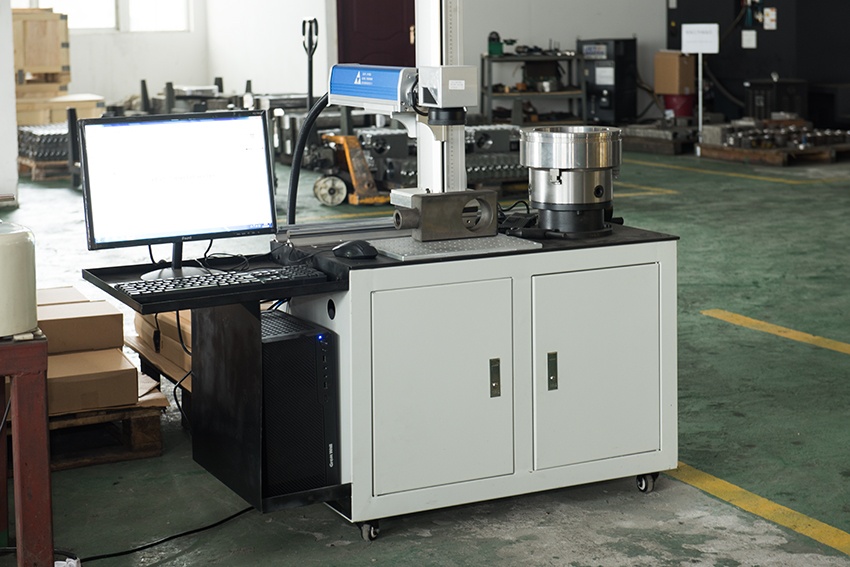
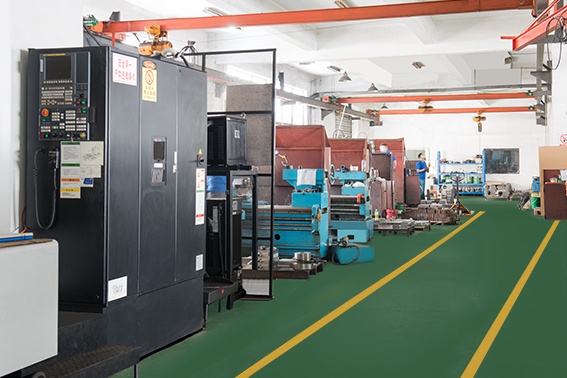
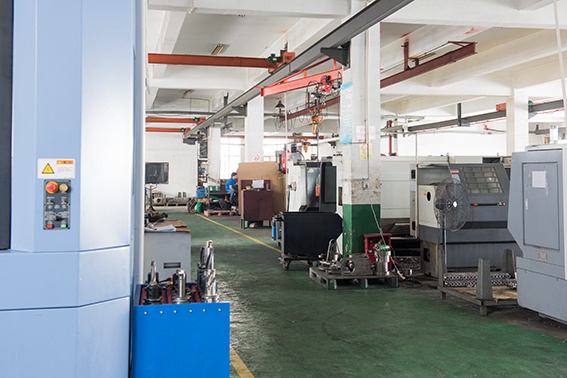
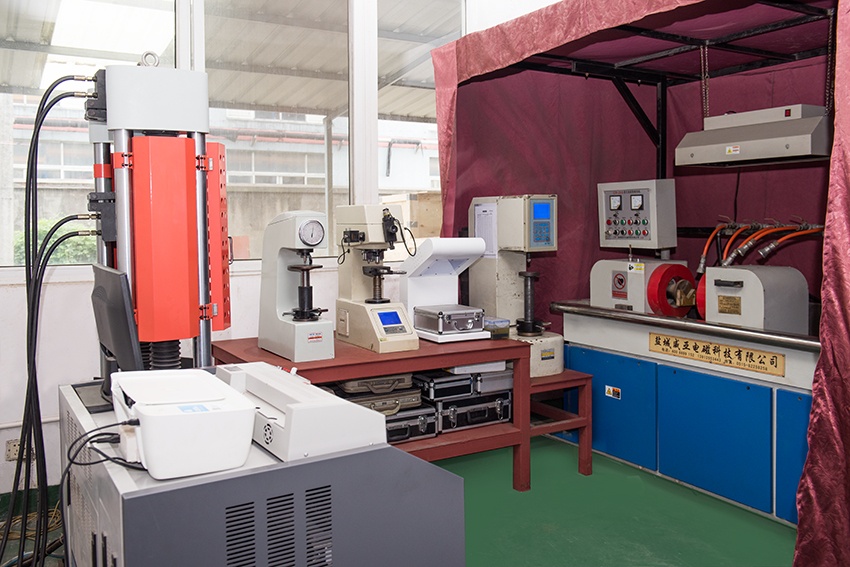
State-of-the-art multi-axis CNC machinery, supersonic HVOF coating systems, and precision flat lapping tables dedicated to manufacturing API 6A gate valve replacement components.
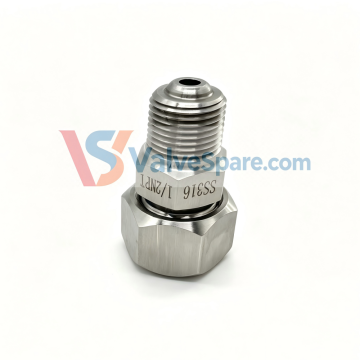
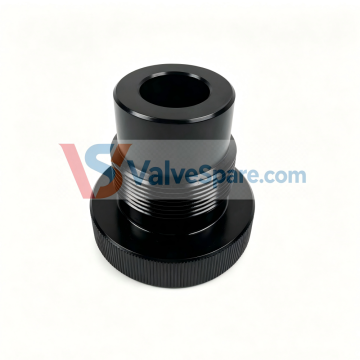
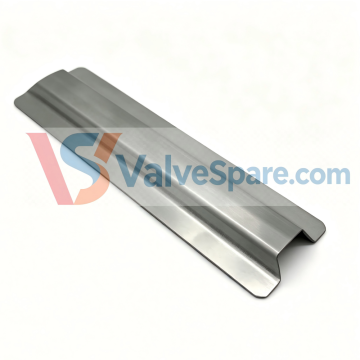
Comprehensive selection of critical components supporting Type FC and FLS manual and hydraulic flow control valve maintenance.