
Leave Your Message
-
Contact WhatsApp
-
 Contact Phone
-
 Contact Email
High-precision replacement components designed to restore API 6A and API 6D gate valves to original operating specifications during critical refinery turnarounds.
In modern refining and petrochemical processing, operations are continually pushed to higher temperatures, elevated pressures, and increasingly aggressive chemical media. Traditional soft-seated valves, while effective in clean, low-temperature utility services, fail rapidly when exposed to the severe-service conditions of downstream hydroprocessing, fluid catalytic cracking, delayed coking, and acid gas removal units. To maintain process integrity, prevent catastrophic fugitive emissions, and minimize unplanned shutdowns, the industry relies heavily on Metal Seal Gate Valve Seats.
The transition from soft elastomeric seals to metal-to-metal sealing systems represents a major milestone in valve engineering. Metal-to-metal interfaces rely on high-precision surface machining, advanced metallurgy, and state-of-the-art thermal spray coatings to form a molecularly tight barrier. These systems are designed to withstand tribological wear, erosive slurry flows, and corrosive attacks from sulfur compounds, naphthenic acids, and chlorides. For maintenance managers and reliability engineers, investing in high-performance metal valve seats is not just a replacement strategy—it is a critical step in optimizing plant uptime and safety.
The global refining landscape is undergoing a structural shift. Refiners are increasingly processing heavier, high-sulfur crude slates (sour crudes) which contain elevated concentrations of naphthenic acid, heavy metals, and particulate matter. Simultaneously, environmental regulations worldwide have tightened, demanding near-zero fugitive emissions from valves. According to EPA and LDAR (Leak Detection and Repair) standards, valves are responsible for a significant portion of volatile organic compound (VOC) leaks in chemical plants. A robust metal-seated gate valve, utilizing a hardfaced gate and seat assembly, provides the mechanical stability and gas-tight sealing required to meet these stringent environmental mandates under high-cycle conditions.
Tungsten Carbide and Chromium Carbide coatings applied via High-Velocity Oxy-Fuel thermal spray, providing hardness up to HV1500.
Ultra-dense coating structures prevent fluid penetration and sub-surface corrosion, ensuring long-term seat integrity.
Mirror-polished sealing faces with roughness values of Ra < 0.1 μm, minimizing operating torque and friction wear.
Refineries and petrochemical plants feature some of the most aggressive process loops in the industrial world. Standard valves quickly degrade, making specialized metal seal gate valves essential. Below are the primary high-wear application areas where custom-engineered metal seats are non-negotiable:
Delayed coking is one of the most severe processes in a refinery. Heavy residual oil is heated to over 480°C (900°F) to crack it into lighter products, leaving behind solid petroleum coke. The valves controlling the flow of coke slurry and high-temperature water are subjected to extreme thermal shock and severe erosion from abrasive coke fines. Metal seal gate valve seats in this service must utilize specialized carbide coatings to resist the scouring action of the coke particles. Any compromise in seat hardness leads to rapid washouts and loss of isolation, halting the entire coking cycle.
In FCC units, heavy gas oils are cracked in the presence of a fine, fluid-like zeolite catalyst. The catalyst particles are extremely abrasive. The fractionator bottom slurry contains high concentrations of these catalyst fines at temperatures exceeding 350°C. Gate valves in catalyst slurry service experience continuous abrasive wear. Standard seat materials erode within weeks. By utilizing tungsten carbide or cobalt-based alloy coatings on the gate and seat sealing faces, the components can resist the abrasive slurry flow, maintaining reliable isolation during multi-year operating runs.
Hydroprocessing units operate at extremely high pressures (often exceeding 15 MPa / 2100 PSI) and high temperatures, in the presence of hydrogen gas and hydrogen sulfide (H2S). This environment introduces the risk of hydrogen embrittlement, high-temperature hydrogen attack (HTHA), and sulfidation. The metal valve seats must be manufactured from corrosion-resistant alloys (such as Inconel or Duplex Stainless Steel) and hardfaced to prevent galling under high mechanical loads. The seating system must maintain a bubble-tight gas seal to prevent volatile hydrogen gas from escaping into the atmosphere.
Petrochemical plants and gas processing facilities handle significant volumes of sour gas containing high concentrations of H2S and CO2. These media cause severe sulfide stress cracking (SSC) and stress corrosion cracking (SCC) in standard steels. Metal seal seats compliant with NACE MR0175/ISO 15156 are mandatory. The base materials and hardfacing coatings are meticulously selected and tested to ensure they do not undergo brittle failure when exposed to wet H2S environments.
The performance of a metal-to-metal sealing gate valve is fundamentally determined by the engineering of its contact surfaces. When the gate slides across the seat ring under high differential pressure, the friction generated can lead to adhesive wear (galling). To prevent this, the gate and seat are typically coated with dissimilar hard materials or engineered to have a significant hardness differential.
HVOF is the industry-standard method for applying high-performance carbide coatings to gate valve seats. In the HVOF process, fuel (such as kerosene or hydrogen) and oxygen are combusted continuously, and the coating powder (e.g., Tungsten Carbide-Cobalt Chrome, WC-CoCr) is injected into the gas stream. The particles are accelerated to supersonic velocities (up to 1000 m/s) and impact the substrate, forming an extremely dense, low-porosity coating. Our HVOF coatings feature:
For applications where temperatures exceed 540°C (1000°F), tungsten carbide coatings can begin to oxidize and degrade. In these high-temperature regimes—such as FCCU flue gas or coking processes—Chromium Carbide coatings are preferred. They offer excellent wear resistance combined with oxidation and corrosion resistance at temperatures up to 850°C.
Stellite alloys are widely used for weld overlay cladding on valve seats. Applied via PTAW (Plasma Transferred Arc Welding) or Laser Cladding, Stellite overlays provide excellent resistance to many forms of mechanical and chemical degradation over a wide temperature range. Their inherent lubricity reduces friction, preventing galling during high-cycle valve operations.
Our core competitive advantage lies in industry-leading coating technology and strict quality control:
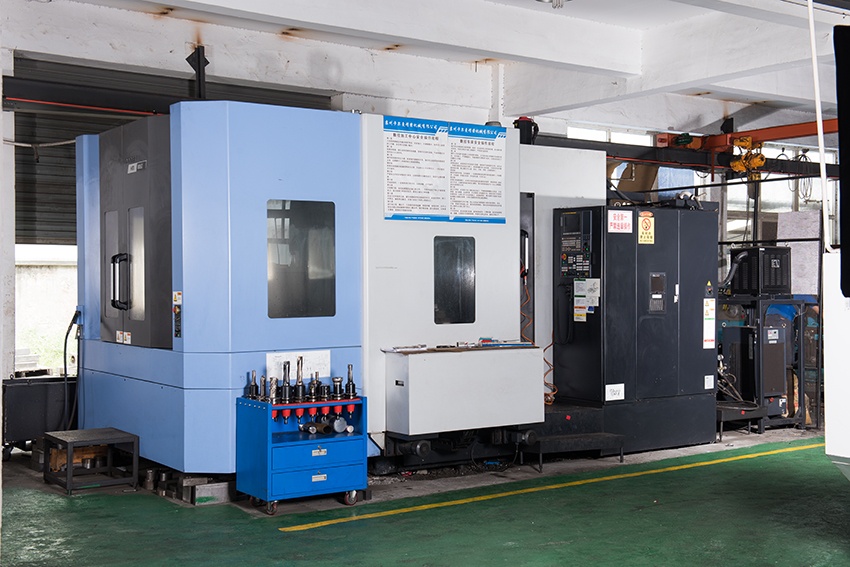
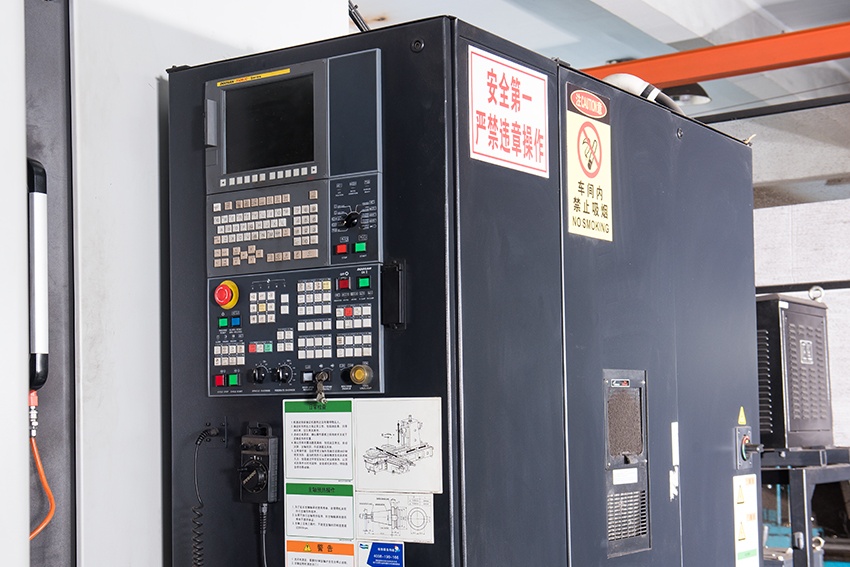
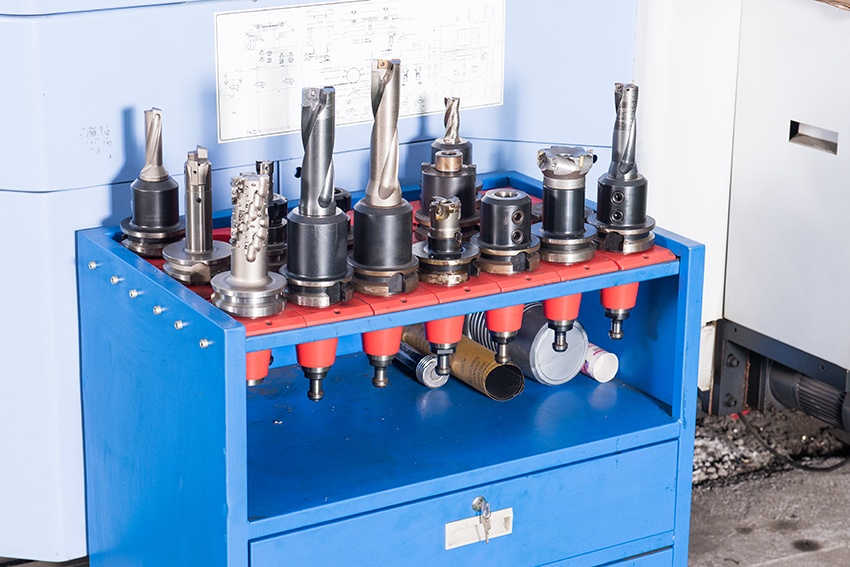
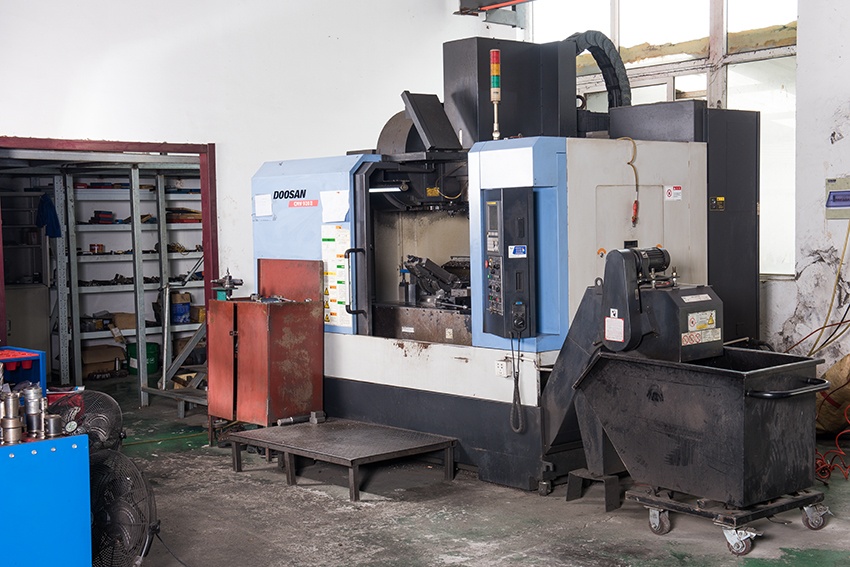
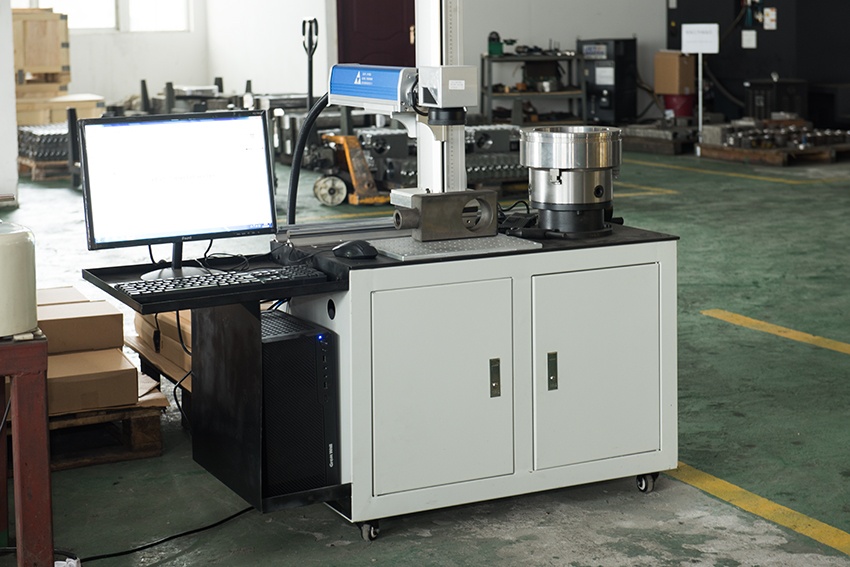
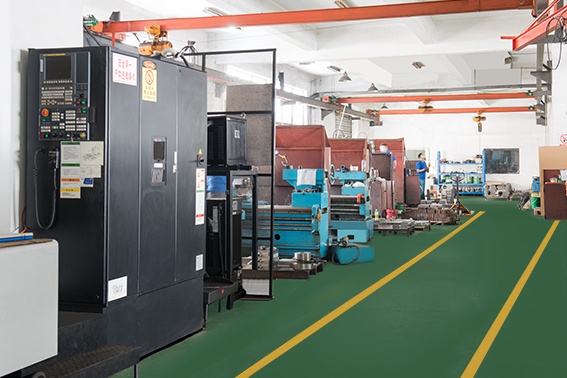
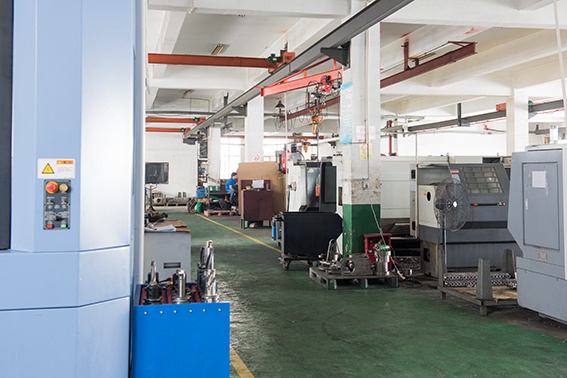
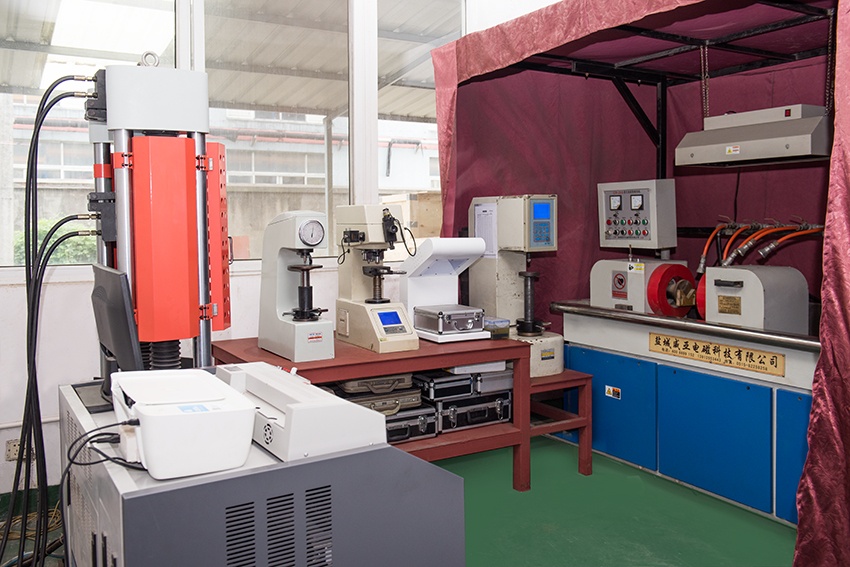
Our advanced production facility is equipped with state-of-the-art thermal spraying, CNC machining, and inspection systems to guarantee the highest dimensional accuracy.
To be the most trusted long-term partner for our global customers. We envision a future where our advanced coating technologies eliminate downtime and maintenance costs for oilfield equipment. By mastering precision manufacturing, we strive to empower our clients to overcome the challenges of high pressure, corrosion, and severe wear.
To become the world's leading supplier of high-performance wear-resistant solutions for the oil & gas industry. We aim to set the global standard for thermal spray technology, enabling our customers to achieve higher efficiency, longer service life, and safer operations in extreme downhole environments.
As the petrochemical industry moves toward digital transformation and decarbonization, the requirements for valve performance continue to evolve. One of the major trends is the integration of smart diagnostics with valve assemblies. By monitoring the torque signatures and acoustic profiles of gate valves during operation, predictive maintenance systems can detect seat wear before a leak occurs. This shifts maintenance from a reactive model to a planned, predictive model, saving operators millions of dollars in potential lost production.
Additionally, the development of nanostructured coatings and laser cladding technologies promises even higher wear resistance and lower friction coefficients. These advanced surface treatments allow valves to operate smoothly without lubrication, which is particularly beneficial in high-purity chemical processes where lubricants could contaminate the product stream. Our engineering team remains at the forefront of these metallurgical advancements, ensuring our replacement seats and gates deliver unmatched reliability for the next generation of petrochemical complexes.
Explore our full range of high-precision components designed to restore and maintain API 6A slab gate valves in high-wear refinery and oilfield applications.