







Drilling Market: Baker Hughes Weekly Rig Data Shows Rebounding North American Drilling, Oil & Gas Development Recovers in Two Tracks
2026-08-22
Statistics show that the total number of active rigs in the U.S. reached 593 for the week, a week-on-week increase of 5 units and a sharp year-on-year jump of 54 units. By breakdown, active directional oil rigs stood at 455, edging up by 1 week-on-week, supporting steady crude oil development. Directional natural gas rigs totaled 128, rising by 4 week-on-week to become the primary contributor to this week’s growth, reversing weeks of consecutive declines. The remaining 10 multi-purpose rigs held flat week-on-week.
Affected by operational adjustments amid the Atlantic hurricane season, active rigs in the Gulf of Mexico fell by 2 to 10 units. This represents a short-term seasonal disruption and will not alter the medium-to-long-term offshore development schedule. Geographically, the Permian Basin remains the core hub for U.S. shale development, hosting the country’s largest rig fleet and underpinning domestic crude output fundamentals.
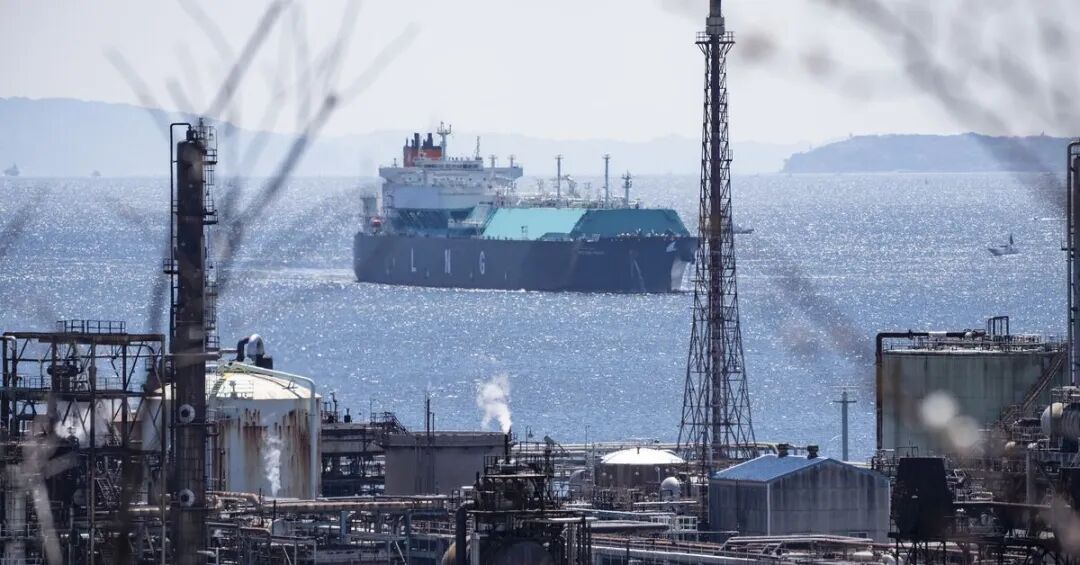
Canada’s market also demonstrated strong resilience, with nationwide active rigs hitting 219 — a week-on-week rise of 3 units and a notable year-on-year surge of 36 units. The country counted 151 active oil rigs (up 5 week-on-week), 65 natural gas rigs (flat week-on-week), and 3 miscellaneous rigs (down 2 week-on-week). Oil sands in Alberta and tight oil & gas blocks in the Montney Formation remained major drilling hotspots. Driven by improved pipeline export capacity and steady progress of LNG export projects, Canadian operators kept ramping up onshore drilling, with their export-focused development strategy unchanged.
Combined North American active rigs totaled 812, rising by 8 week-on-week and 90 year-on-year, marking a notable improvement in overall industry prosperity compared with the same period last year.
Industry analysts noted that the uptick in rig numbers stems from two key factors. First, prevailing oil price bands cover break-even drilling costs in major shale basins. Operators lock in profits via hedging to offset short-term spot price volatility, laying a solid foundation for sustained drilling campaigns. Second, improved domestic and overseas demand for North American natural gas has reignited natural gas drilling that had been scaled back previously.
Notably, despite rising rig counts, North American oil and gas producers have maintained relatively strict capital discipline, avoiding the past pattern of reckless large-scale capacity expansion. They now prioritize cash flow returns, while rising single-well efficiency continuously offsets output fluctuations caused by varying rig activity levels.
Market practitioners stated that Baker Hughes’ weekly rig count serves as a leading indicator to track upstream capital trends and forecast future oil and gas supply across North America. Going forward, continuous monitoring of variables including oil price swings, oilfield equipment supply constraints, and hurricane activity in North America will be required to further assess whether the expansion in regional drilling can be sustained.