





Strait of Hormuz Deadlock: US Caution on Market Expectations Amid Iran Nuclear Warnings
2026-09-15
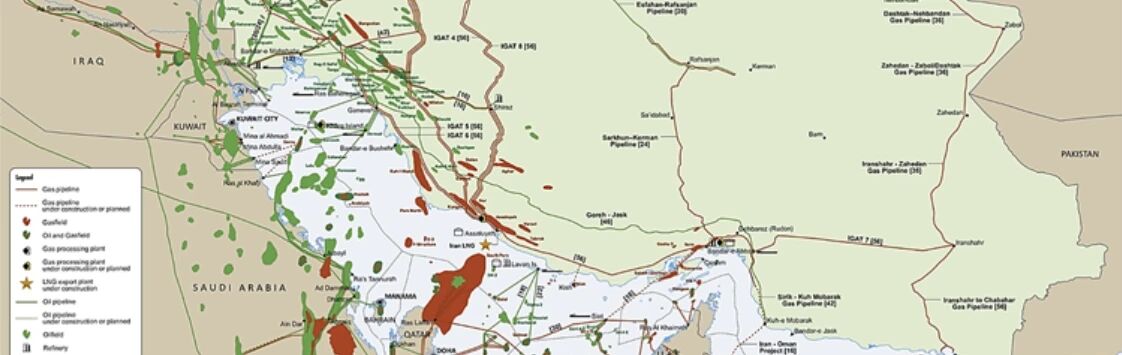
In an interview on Sunday, Wright stated that reaching a multi-party navigation agreement with Iran at this stage is unrealistic. He noted that global crude oil and petroleum product supplies are currently sustained via alternative transit routes, with a daily alternative transport capacity of up to 10 million barrels, which effectively offsets supply shortfalls stemming from restricted shipping through the strait. In his view, the international crude oil market is generally tight but not in a state of extreme shortage.
Recently, Iran and the United Arab Emirates held rare direct talks, and multiple parties have conducted intensive mediation over navigation in the Strait of Hormuz. Iran plans to release the draft of the temporary strait navigation agreement in Oman on September 15.
Wright, who is currently in Vienna, will issue a stern warning to Iran at the annual General Conference of the International Atomic Energy Agency (IAEA). The conference officially opens on September 15. The senior U.S. energy official stated bluntly that Iran’s nuclear issue will ultimately be resolved. He said the U.S. prioritizes resolving disputes through negotiations. However, if Iran continues covert nuclear weapons development and deliberately conceals nuclear activities, the U.S. will resort to military means to firmly stop Iran from developing nuclear weapons.
Previously, the United States pushed for relevant resolutions at the IAEA, referring Iran’s nuclear issue to the UN Security Council once again. After U.S. and Israeli strikes on Iranian nuclear facilities in June 2025, Iran denied access to international inspectors. It has become impossible to verify the volume, storage locations and operational status of its near-weapons-grade uranium stockpiles, leaving nuclear activities entirely outside international oversight. Wright emphasized that the absence of inspections and regulatory gaps constitute a new round of violations by Iran and carry major security risks.
IAEA Director General Rafael Grossi recently corroborated U.S. statements, confirming signs of new activity at Iran’s Khojir military nuclear site. The facility features extremely high security levels and has long been suspected by outside parties of hosting secret nuclear operations. Grossi said construction and personnel activity traces have been detected on-site, yet there is no conclusive evidence to confirm the specific work underway.
The United States and Israel consistently demand that Iran fully dismantle its centrifuges and terminate uranium enrichment activities. As core equipment for uranium isotope separation, centrifuges are critical hardware for both civil nuclear fuel production and nuclear weapons development. Wright argued that Iran can fully import civil nuclear fuel. Only by abandoning its secret nuclear program and rejoining the international cooperation framework can Iran achieve peace, stability and domestic development.
Separately, Wright disclosed that the U.S. is accelerating the improvement of its domestic uranium supply chain. The Department of Energy is set to launch long-term uranium production and international cooperation projects, though specific cooperation details remain undisclosed. Currently, roughly one-fifth of U.S. electricity supply comes from nuclear power, and the domestic nuclear power sector still relies heavily on imported uranium to keep reactors operating steadily.