Leave Your Message
-
Contact WhatsApp
-
 Contact Phone
-
 Contact Email
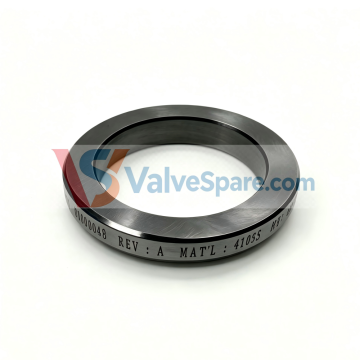
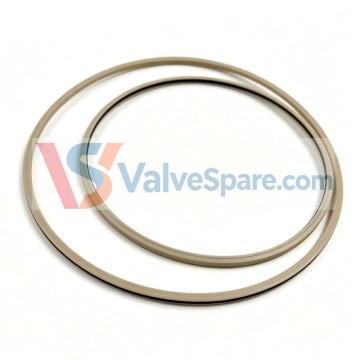
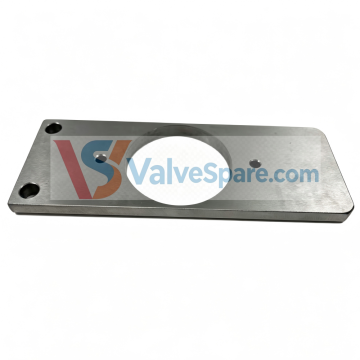
The United States remains a global powerhouse in hydrocarbon production, driven by massive unconventional shale plays such as the Permian Basin in Texas and New Mexico, the Bakken Formation in North Dakota, and the Eagle Ford Group in South Texas. In addition to these onshore giants, deepwater exploration in the Gulf of Mexico pushes operations into increasingly hostile environments. Operating in these regions requires wellhead and Christmas tree equipment that complies strictly with the American Petroleum Institute (API) Specification 6A.
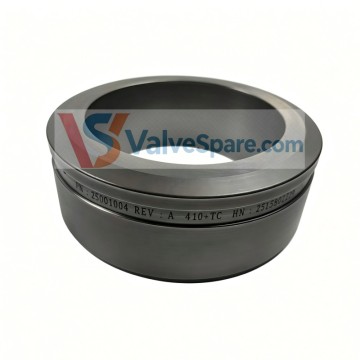
API 6A gate valves are critical safety and flow control components used to manage the extreme pressures and abrasive fluids encountered during drilling, hydraulic fracturing, and production. The slab gate design, in particular, is widely favored for its reliability and ease of maintenance. However, the abrasive nature of frac sands, corrosive gases like hydrogen sulfide (H2S) and carbon dioxide (CO2), and high-velocity flow streams inevitably wear down internal components. Consequently, there is a constant, critical demand for premium OEM-grade gate plate replacement parts across the United States.
Engineered to withstand up to 20,000 psi (140 MPa) and handle highly corrosive H2S and CO2 environments common in US shale plays.
Utilizing high-grade AISI 4130/410 stainless steel substrates coupled with premium Tungsten Carbide (WC) thermal spray coatings.
Precision-ground mirror finishes (Ra < 0.1 µm) ensure bubble-tight gas sealing under extreme differential pressures.
Modern completions in North American shale formations demand longer lateral lengths and higher volumes of proppant. This has drastically reduced the service life of traditional uncoated or poorly plated gate valves. The industry has shifted rapidly toward advanced surface engineering technologies to combat premature erosion and mechanical wear.
High-Velocity Oxygen Fuel (HVOF) thermal spraying has emerged as the gold standard for applying Tungsten Carbide (WC-CoCr) coatings onto slab gates and seats. A dense, uniform HVOF coating offers a hardness profile exceeding HV1500, which protects the underlying base metal from erosion during high-velocity slurry flow. Furthermore, achieving a mirror-like finish (Ra < 0.1) on the mating surfaces of the gate and seat is essential. This low-roughness interface reduces the friction coefficient during valve cycling, prevents galling, and ensures that the metal-to-metal seal remains intact even at gas pressures up to 140 MPa.
The deployment of API 6A gate valves varies significantly based on regional geology and operational styles within the United States:
Our core competitive advantage lies in industry-leading coating technology and strict quality control:
To be the most trusted long-term partner for our global customers. We envision a future where our advanced coating technologies eliminate downtime and maintenance costs for oilfield equipment. By mastering precision manufacturing, we strive to empower our clients to overcome the challenges of high pressure, corrosion, and severe wear.
To become the world's leading supplier of high-performance wear-resistant solutions for the oil & gas industry. We aim to set the global standard for thermal spray technology, enabling our customers to achieve higher efficiency, longer service life, and safer operations in extreme downhole environments.
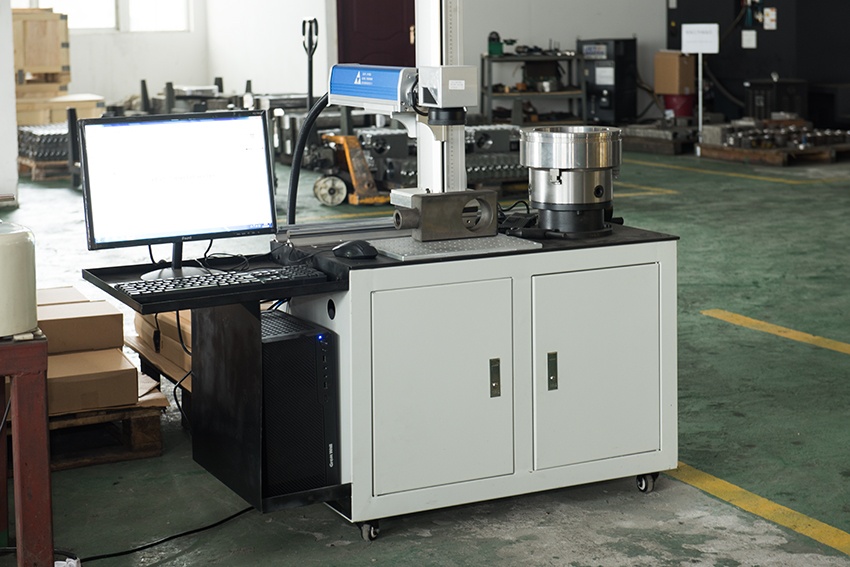
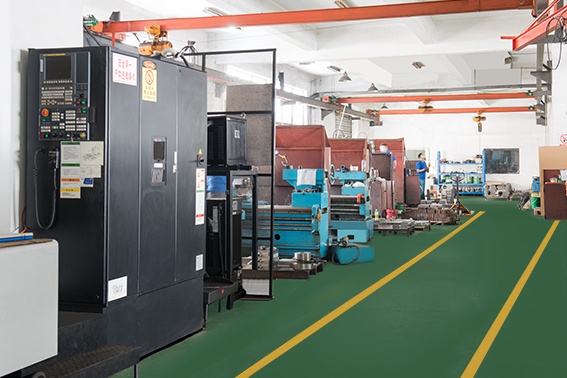
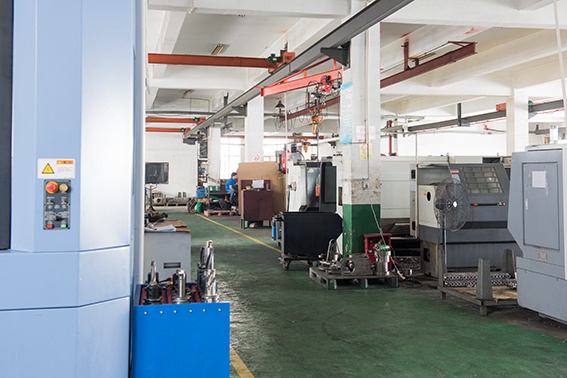
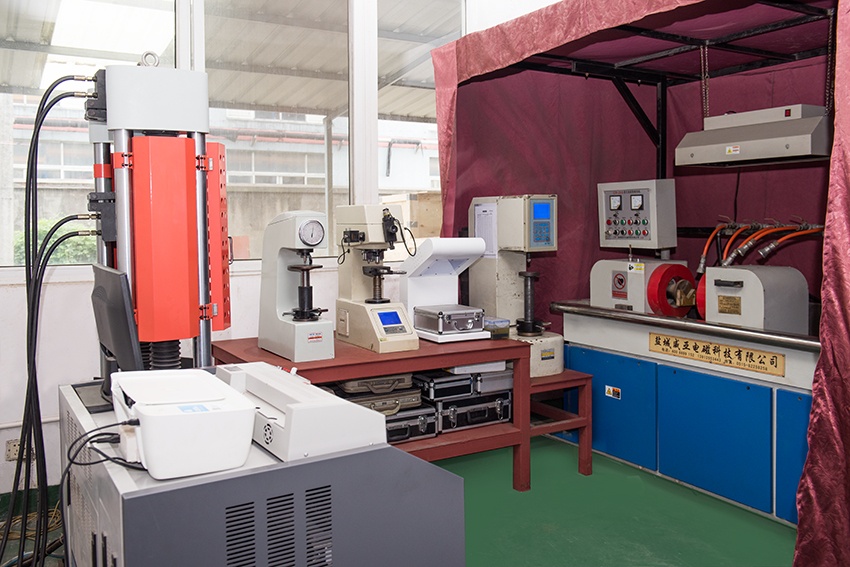
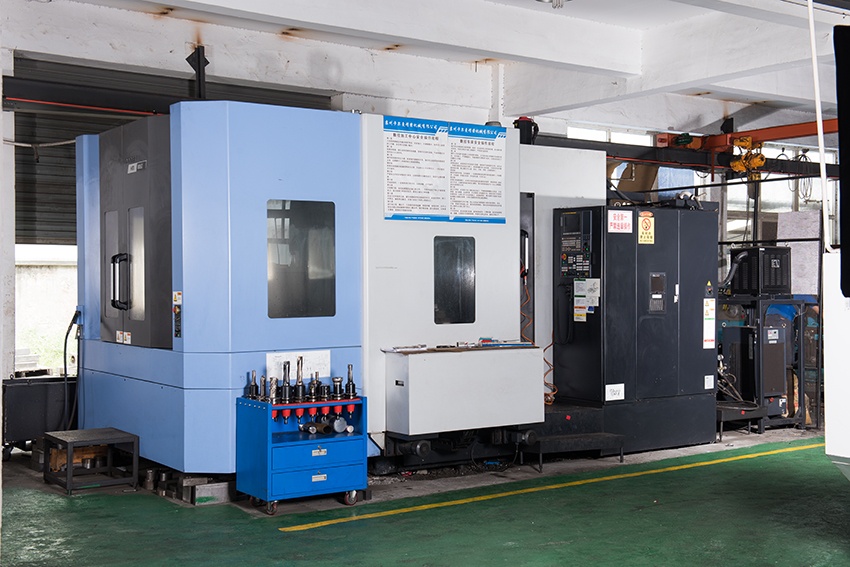
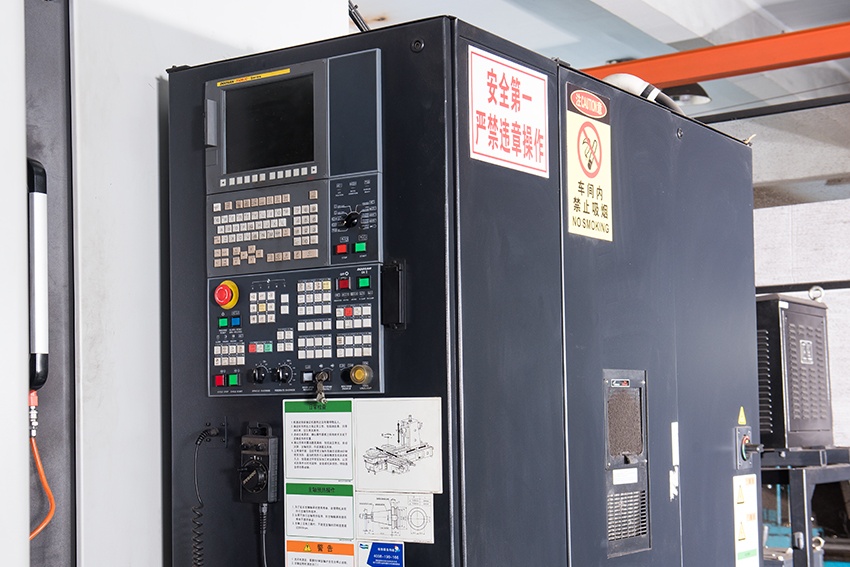
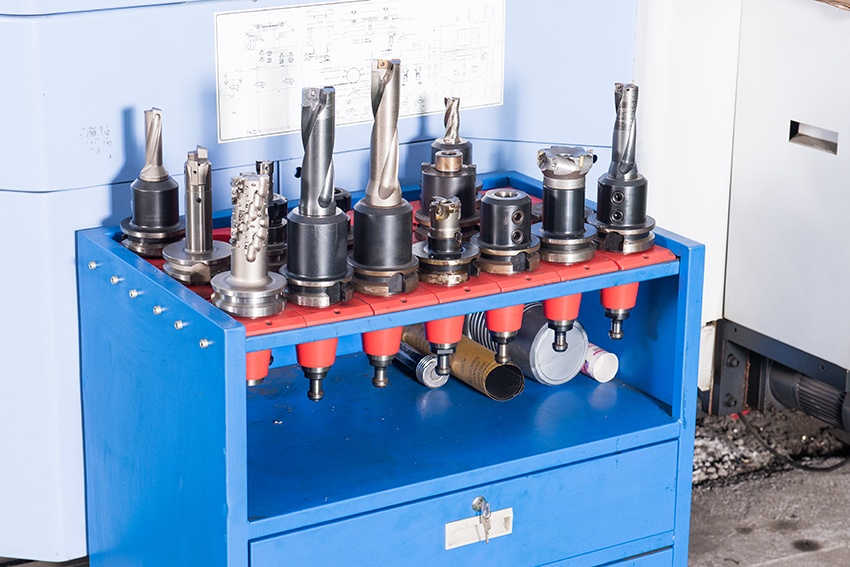
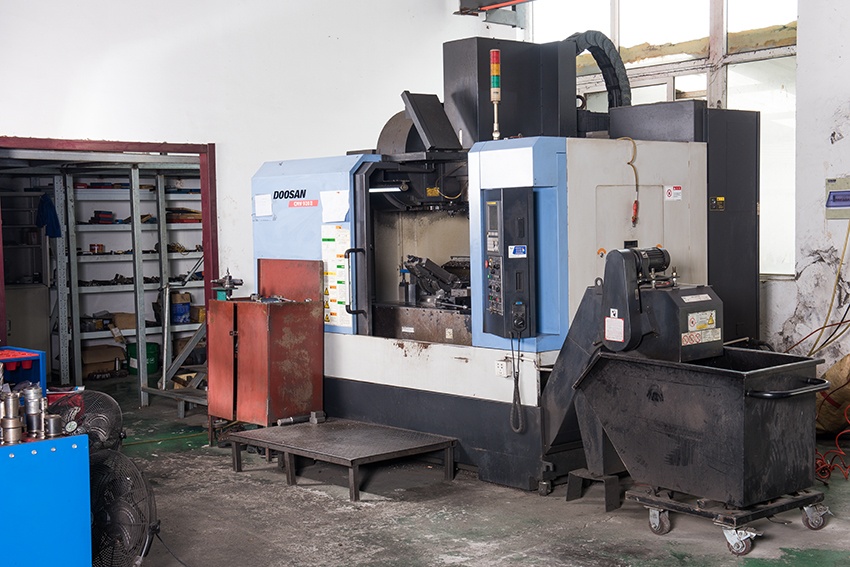
Our state-of-the-art manufacturing facilities utilize automated thermal spraying, high-precision CNC machining centers, and comprehensive inspection systems to guarantee that every gate, seat, and stem meets the rigorous demands of API 6A.
For US oilfield service companies and operators, maintaining high equipment uptime is essential. Delayed supply chains can lead to costly non-productive time (NPT) at the wellsite. Sourcing API 6A gate plate replacement parts from trusted global factories that offer OEM-equivalent quality provides a strategic advantage. It allows procurement managers to secure reliable, interchangeable components—such as slab gates, seats, stems, retainer plates, and packing sets—at competitive prices.
A robust quality control system is vital when dealing with aftermarket components. Reliable suppliers must maintain complete material traceability, perform Non-Destructive Testing (NDT) such as dye penetrant and ultrasonic testing, and provide certified test reports. This ensures that every replacement part installed in a Cameron FC or FLS style gate valve performs exactly like the original component under field pressures.