Leave Your Message
-
Contact WhatsApp
-
 Contact Phone
-
 Contact Email
The United States oil and gas industry is undergoing a significant technological transformation. In major shale plays such as the Permian Basin in Texas and New Mexico, the Appalachian Basin (Marcellus and Utica), and subsea fields in the Gulf of Mexico, operators are facing unprecedented challenges. As well depths increase and reservoir conditions become more volatile, the demand for high-performance wellhead and tree equipment has skyrocketed.
Within this landscape, the API 6A High Vacuum Gate Valve has emerged as a critical component. Traditionally, API Spec 6A valves were designed strictly to contain high positive pressures. However, modern multi-stage hydraulic fracturing, enhanced oil recovery (EOR) techniques, and carbon capture, utilization, and storage (CCUS) projects require systems that can handle vacuum conditions during purge cycles, testing, and transition phases.
As a dedicated OEM supplier serving the United States, we recognize that US operators require valves that prevent fugitive emissions under both high-pressure and deep vacuum conditions. The EPA's strict methane emission regulations demand zero-leakage performance. Our API 6A gate valves and replacement parts are engineered to meet these rigorous standards, ensuring environmental compliance and operational safety in high-stress American industrial environments.
Designed to withstand abrasive hydraulic fracturing fluids and rapid pressure-to-vacuum cycles common in West Texas operations.
Our proprietary tungsten carbide coating ensures porosity <1% and bond strength exceeding 75MPa for long-term wear resistance.
Meets the strict requirements of US environmental standards by preventing gas escape during vacuum and pressure phases.
The durability of an API 6A gate valve relies heavily on the surface treatment of its slab gate and seat rings. The trend in the US valve manufacturing sector is shifting rapidly toward thermal spray coatings. Our factory utilizes state-of-the-art High-Velocity Oxygen-Fuel (HVOF) and plasma spray equipment to deposit dense, wear-resistant carbide coatings.
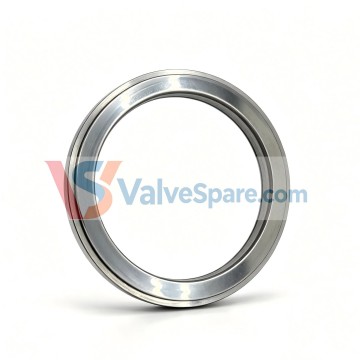
By maintaining a porosity level of less than 1% and achieving a surface hardness up to HV1500, our gates and seats resist the localized erosion-corrosion that typically destroys standard valves. The mirror finish (Ra < 0.1) reduces friction between the sealing surfaces, translating to lower operating torque and extended actuator life.
We adhere strictly to the American Petroleum Institute (API) Spec 6A standards. This specification defines the requirements for dimensional interchangeability, material suitability, pressure ratings, and temperature ratings of wellhead equipment.
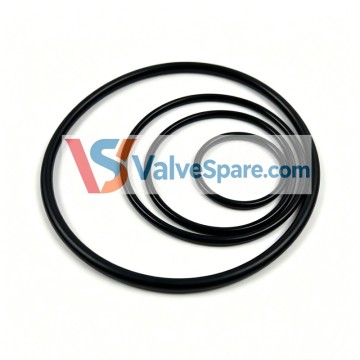
For high vacuum applications, standard seals are insufficient. We incorporate specialized elastomer and metal-to-metal sealing technologies that maintain integrity under vacuum conditions down to 10-3 Torr, while still capable of sealing positive pressures up to 15,000 PSI (103.4 MPa) or higher.
Our core competitive advantage lies in industry-leading coating technology and strict quality control:
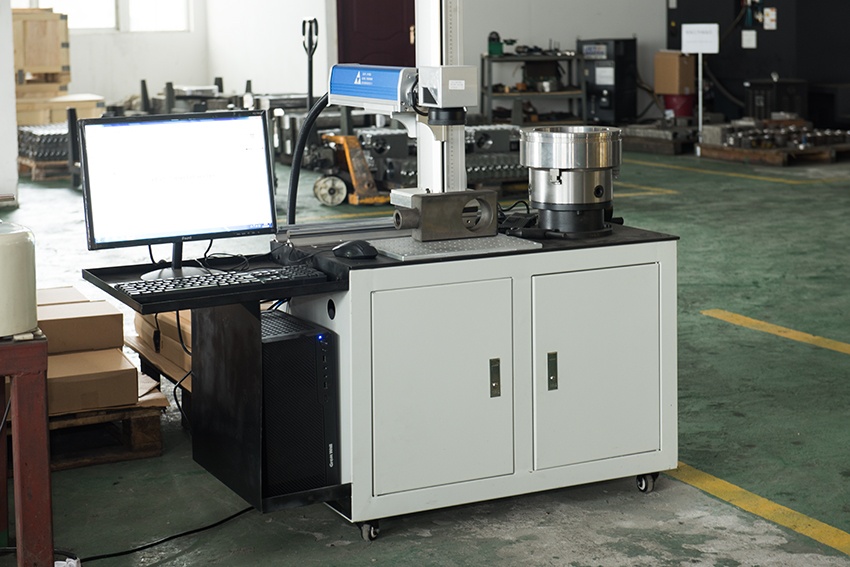
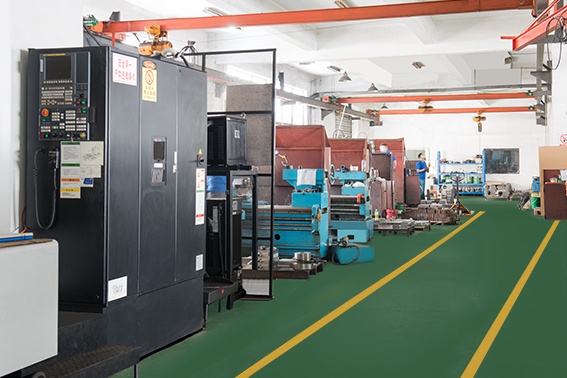
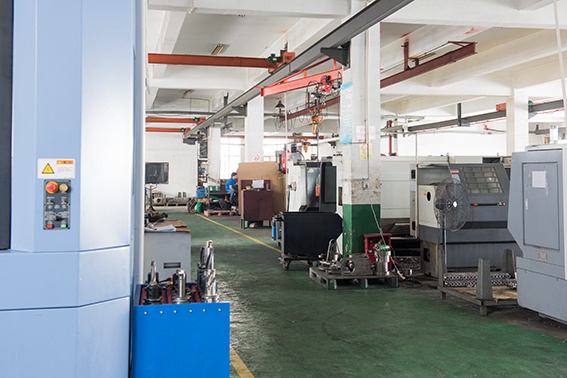
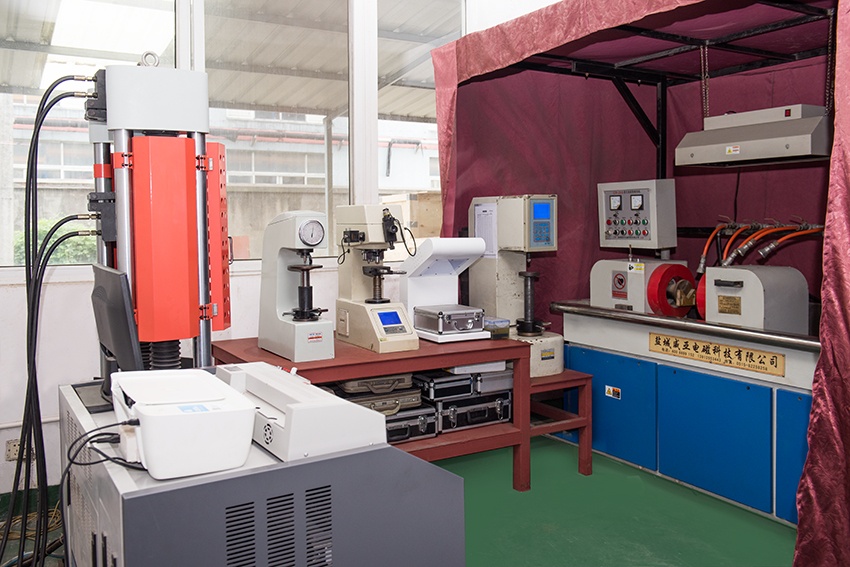
Our facility is equipped with advanced CNC machining centers, thermal spraying systems, and inspection equipment to ensure that every gate valve component meets the highest quality standards.
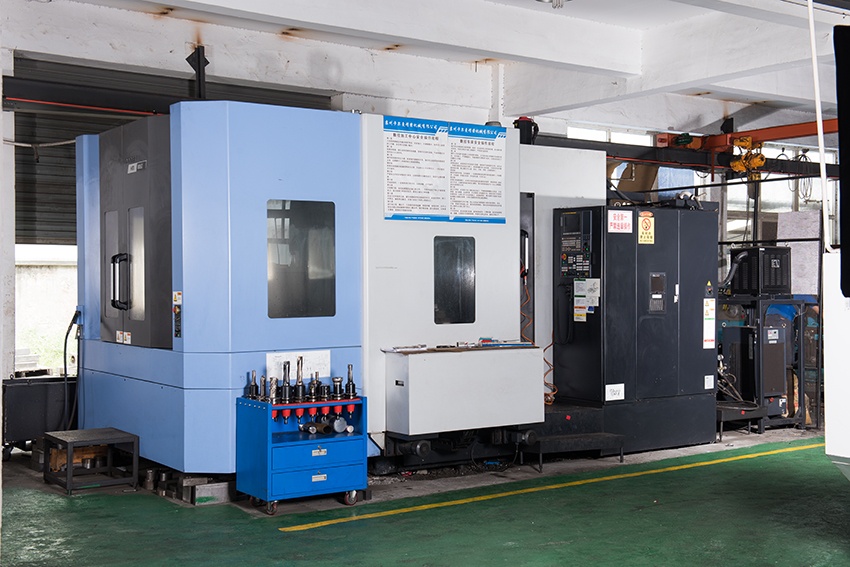
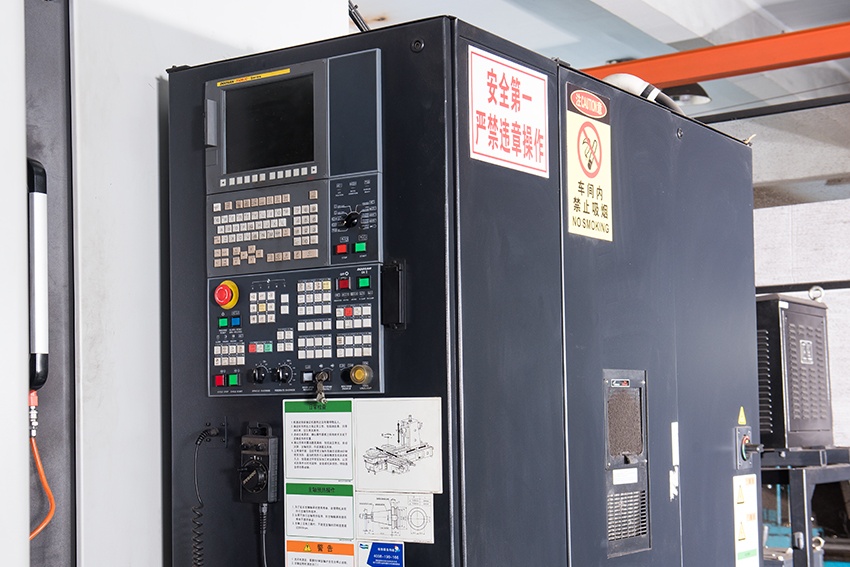
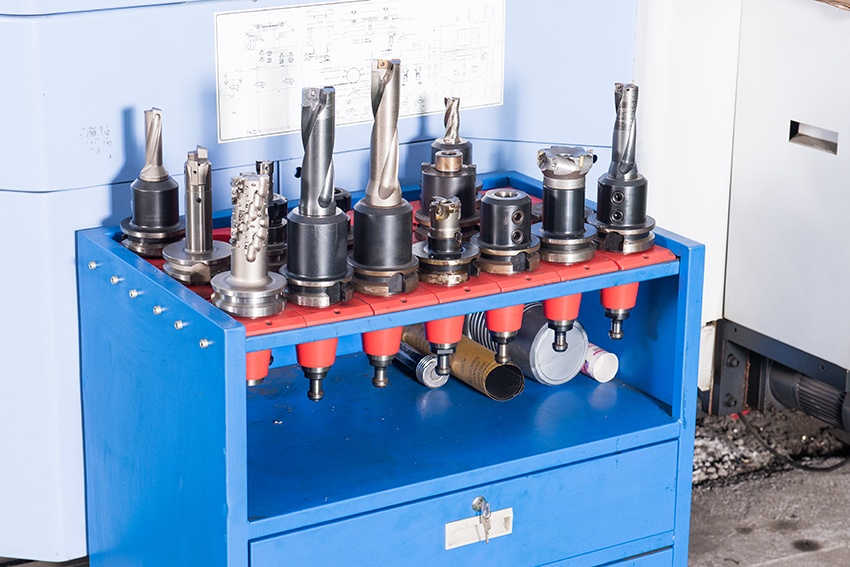
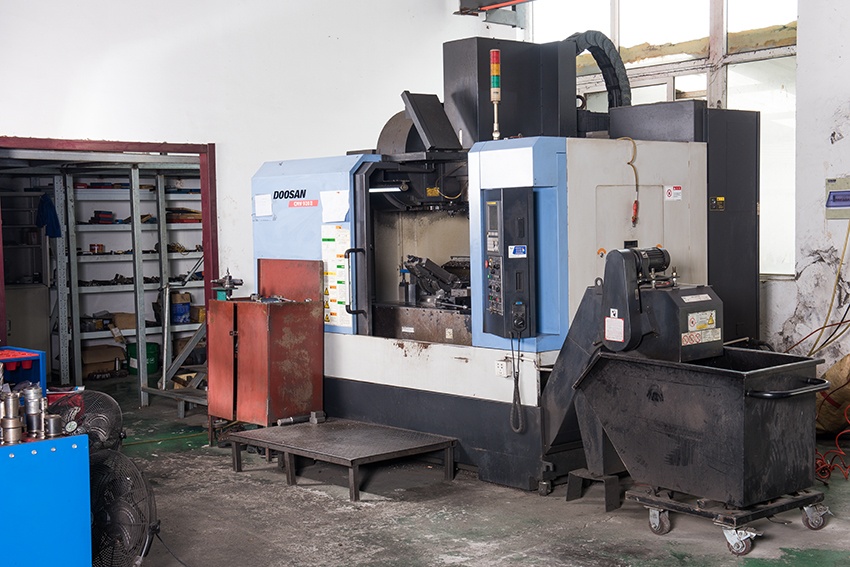
In the harsh drilling fields of West Texas, hydraulic fracturing equipment undergoes heavy abrasive wear. During well cleanup and flowback phases, valves are exposed to high-velocity sand, water, and hydrocarbons. Our API 6A slab gate valves, equipped with HV1500 hardfaced gates and seats, resist sand erosion and maintain tight seals during pressure transitions. When the well is shut in or undergoes vacuum testing, these valves prevent external air ingress, ensuring system safety.
Subsea wellheads in the Gulf of Mexico operate under extreme hydrostatic external pressures. Valves must maintain integrity under internal high pressure while preventing seawater from entering the flowline under vacuum conditions during startup or pigging operations. Our API Spec 6A valves are designed with dual-acting metal-to-metal seals that perform reliably under both high-pressure gas testing and deep vacuum conditions.
Refineries along the US Gulf Coast process highly corrosive crude oils containing hydrogen sulfide (H2S) and carbon dioxide (CO2). Vacuum distillation columns and cracking units require gate valves that can handle high temperatures and deep vacuum without leaking. Our custom-sized reverse-acting slab gates and seat rings are hardfaced with 410 SST and tungsten carbide, offering superior resistance to sour gas corrosion (NACE MR0175 compliant) and thermal cycling.
With federal incentives boosting CCS projects across the US Midwest, transporting and storing supercritical CO2 has become a major industry focus. CO2 injection wells require valves that can handle phase changes from liquid to gas, which can create localized vacuum conditions. Our specialized API 6A gate valves prevent venting of greenhouse gases and maintain seal integrity during rapid gas expansion and decompression cycles.
To be the most trusted long-term partner for our global customers. We envision a future where our advanced coating technologies eliminate downtime and maintenance costs for oilfield equipment. By mastering precision manufacturing, we strive to empower our clients to overcome the challenges of high pressure, corrosion, and severe wear.
To become the world's leading supplier of high-performance wear-resistant solutions for the oil & gas industry. We aim to set the global standard for thermal spray technology, enabling our customers to achieve higher efficiency, longer service life, and safer operations in extreme downhole environments.
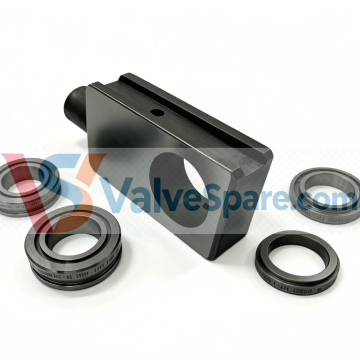
Explore our full line of OEM replacement parts designed to fit standard Type FC and FLS slab gate valves used throughout the United States.