

Leave Your Message
-
Contact WhatsApp
-
 Contact Phone
-
 Contact Email
Engineered to mitigate erosion in high-pressure sand-bearing oilfield pipelines
In modern oil and gas extraction, unconventional reservoirs, hydraulic fracturing (fracking), and sand-producing wells have pushed extraction equipment to its absolute limits. Fluid streams moving through wellheads and production pipelines are rarely pure hydrocarbons. Instead, they carry a highly destructive mixture of formation sand, ceramic proppants, water, carbon dioxide (CO₂), and hydrogen sulfide (H₂S). As these multi-phase fluids flow under high pressures (often exceeding 10,000 to 15,000 PSI) and at high velocities, the entrained solid particles turn the fluid stream into a continuous abrasive blasting medium.
This phenomenon, known as Solid Particle Erosion (SPE), acts as a severe threat to wellhead integrity. The gate valve—the primary barrier for controlling flow at the wellhead—is particularly vulnerable. The wellhead gate plate, which must slide across the valve seat to seal off high-pressure flow, bears the brunt of this abrasive kinetic energy. When sand particles impinge upon the gate plate's sealing surfaces, they cause micro-cutting, plastic deformation, and surface fatigue. Without specialized erosion control measures, standard gate plates suffer rapid degradation, leading to sealing failure, fluid leakage, environmental hazards, and costly unscheduled well shutdowns.
Erosion in sand-bearing pipelines is determined by several variables: particle shape, size, hardness, impact angle, and flow velocity. In a wellhead gate valve, the fluid velocity accelerates significantly as it passes through the narrow openings during valve opening and closing cycles. At these high-velocity throat areas, sand particles strike the gate plate at shallow angles, causing severe micro-cutting. At perpendicular angles, the impact leads to surface deformation and micro-fracturing of the substrate material. Over time, this combined mechanical wear and chemical corrosion (erosion-corrosion) strips away standard metal surfaces, making specialized surface engineering a critical necessity.
The wellhead gate plate is not merely a mechanical barrier; it is the core component of the valve's pressure-containment system. In abrasive sand-bearing pipelines, the gate plate must satisfy two conflicting engineering requirements: it must maintain a perfectly flat, mirror-polished surface to achieve a bubble-tight metal-to-metal seal against the seat, and it must possess extreme hardness to resist the scratching and gouging of abrasive quartz and ceramic proppants.
To survive these extreme environments, advanced metallurgy and surface coating technologies are utilized. Modern gate plates are typically manufactured from high-strength forged alloys (such as AISI 4130, AISI 4140, or corrosion-resistant duplex stainless steels) and then coated with ultra-hard materials. The interface between the gate plate and the seat must be engineered with compatible coatings to prevent galling while ensuring that any abrasive particles caught between the sealing faces are crushed rather than embedding into and scratching the metal surfaces.
To combat severe erosion and corrosion, thermal spray coatings have become the industry standard for high-performance wellhead components. Among these, High-Velocity Oxygen-Fuel (HVOF) spraying, also known as supersonic flame spraying, represents the pinnacle of surface engineering for sand-bearing oilfield pipelines.
Using state-of-the-art equipment like the PRAXAIR TAFA JP8000 supersonic flame spraying system, coating materials such as Tungsten Carbide-Cobalt-Chromium (WC-Co-Cr) or Nickel-based alloys are accelerated to supersonic velocities (exceeding Mach 3). The kinetic energy of the particles upon impact is converted into thermal energy, causing them to flatten and bond mechanically and metallurgically to the gate plate substrate. This process yields several distinctive advantages:
The performance of wellhead gate plates is tested daily across various challenging geological and operational environments:
During the flowback phase of a fractured well, the returning fluid carries massive quantities of high-strength ceramic proppants (fracturing sand) at extreme pressures. The wellhead valves must control this highly abrasive slurry as it exits the wellbore. Standard valves can fail within hours under these conditions. Gate plates coated with optimized HVOF Tungsten Carbide ensure the valve remains operational throughout the flowback period, protecting downstream separators and pipelines from sand carryover damage.
Steam-Assisted Gravity Drainage (SAGD) and other thermal recovery methods involve injecting high-temperature steam to extract viscous heavy crude. The resulting production fluid is a hot, corrosive mixture of oil, water, and formation sand. The gate plates used in these wellheads must withstand both thermal expansion stresses (temperatures exceeding 200°C) and continuous sand slurry erosion without losing their dimensional stability or sealing capability.
In subsea oilfield developments, intervention costs are astronomically high. A single valve failure can cost millions of dollars in vessel mobilization and lost production. Wellhead gate plates in subsea trees must be designed for a maintenance-free service life of 20 to 25 years. This requires the integration of corrosion-resistant alloy (CRA) cladding (such as Inconel 625) with a top layer of HVOF Tungsten Carbide to provide dual resistance against seawater corrosion and internal sand erosion.
The global oilfield equipment market is experiencing a significant shift toward reliability and life-cycle cost reduction. Operators are moving away from cheap, disposable components in favor of high-performance, wear-resistant parts that extend the Mean Time Between Failures (MTBF). Geographically, the demand for sand-erosion control technology is concentrated in major shale plays (such as the Permian Basin in the US and the Vaca Muerta in Argentina), deepwater offshore hubs (Gulf of Mexico, Brazil, North Sea), and mature sand-producing fields in the Middle East and Southeast Asia.
Key development trends shaping the future of wellhead gate plates include:
In today's era of convenient internet communication, trust is scarce. We have always stayed true to our original aspiration, crafting valve products with meticulous craftsmanship, and winning recognition from global buyers.
Founded in 2011 in a humble workshop in Suzhou, our core mission was to break the monopoly of foreign high-end valve plates and seats, so that buyers would no longer have to rely on overpriced imported products. Facing industry pain points such as seat seal leakage and high-sulfur corrosion in oilfield applications, we stayed rooted in frontline operations, braving high temperatures and pressures to repeatedly test materials and optimize sealing structures, successfully resolving leakage issues.
We are deeply committed to quality and have obtained API certification as well as the three management system certifications. From developing only valve plates and seats, we have grown into a partner capable of providing comprehensive solutions.
After 15 years of perseverance, we uphold our original aspiration with craftsmanship, and have become a trusted supplier of high-end valve accessories for global buyers through professionalism and sincerity.
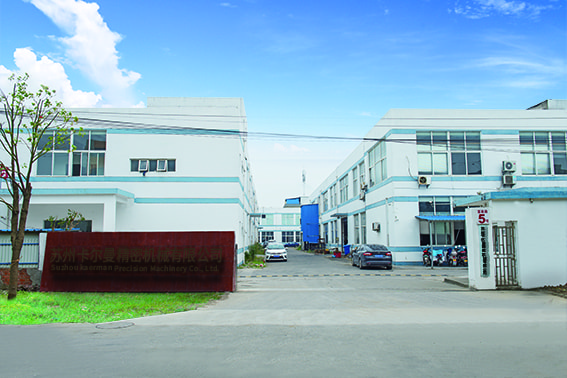
We are a team of seasoned engineers and technicians with years of hands-on experience in supersonic flame spraying for petroleum machinery. All core operators receive systematic professional training, bringing deep expertise in thermal spray technology and quality control.
We specialize in manufacturing precision wear-resistant parts (including valve gates, wellhead components, and sealing parts) using advanced PRAXAIR TAFA JP8000 supersonic flame spraying equipment. We customize coating processes and parameters for different products to deliver exceptional performance under extreme working conditions.
Delivering certified quality and high-volume production capacity globally
We solve critical pain points for oil & gas operators to ensure continuous, safe pipeline operations:
Compliance with API 6A standards and international quality regulations
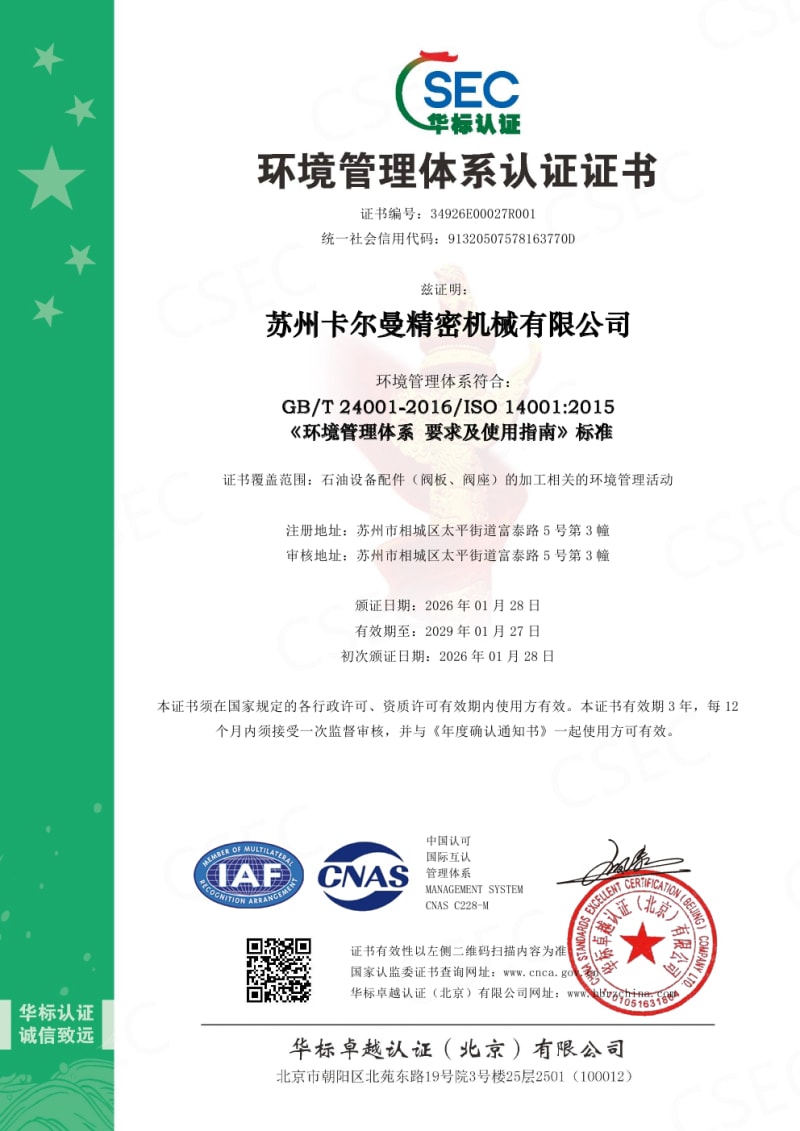
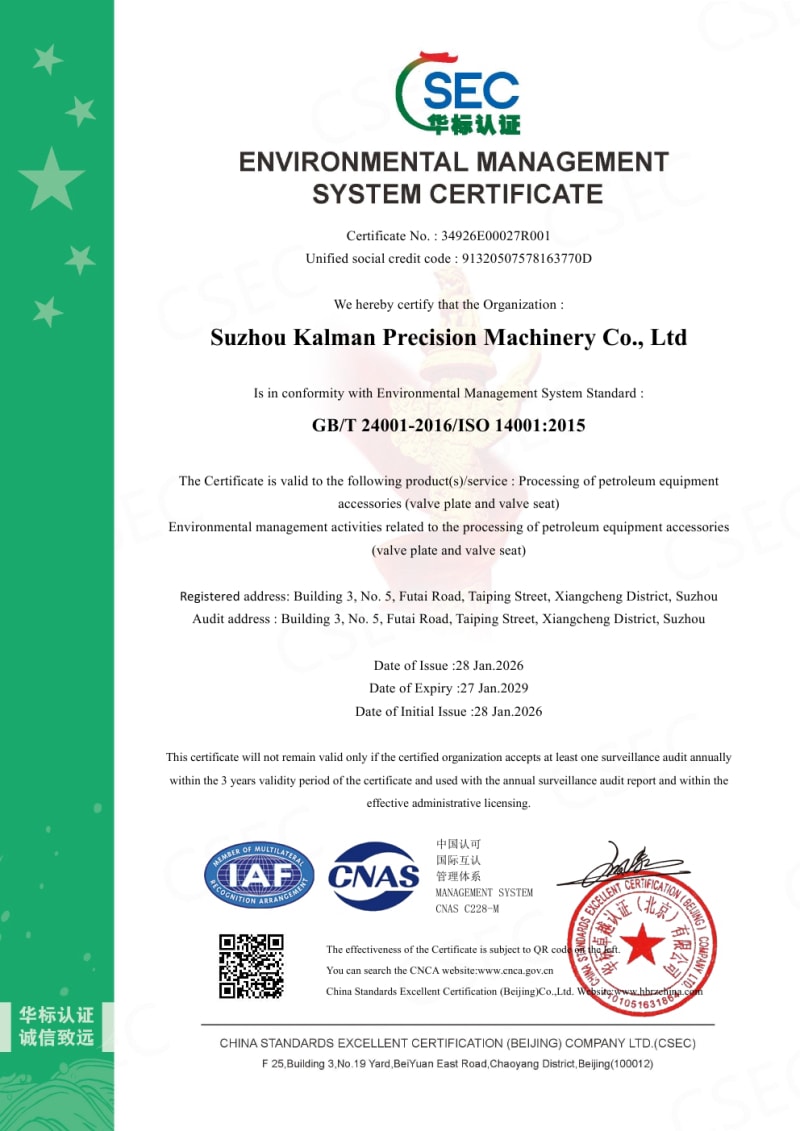
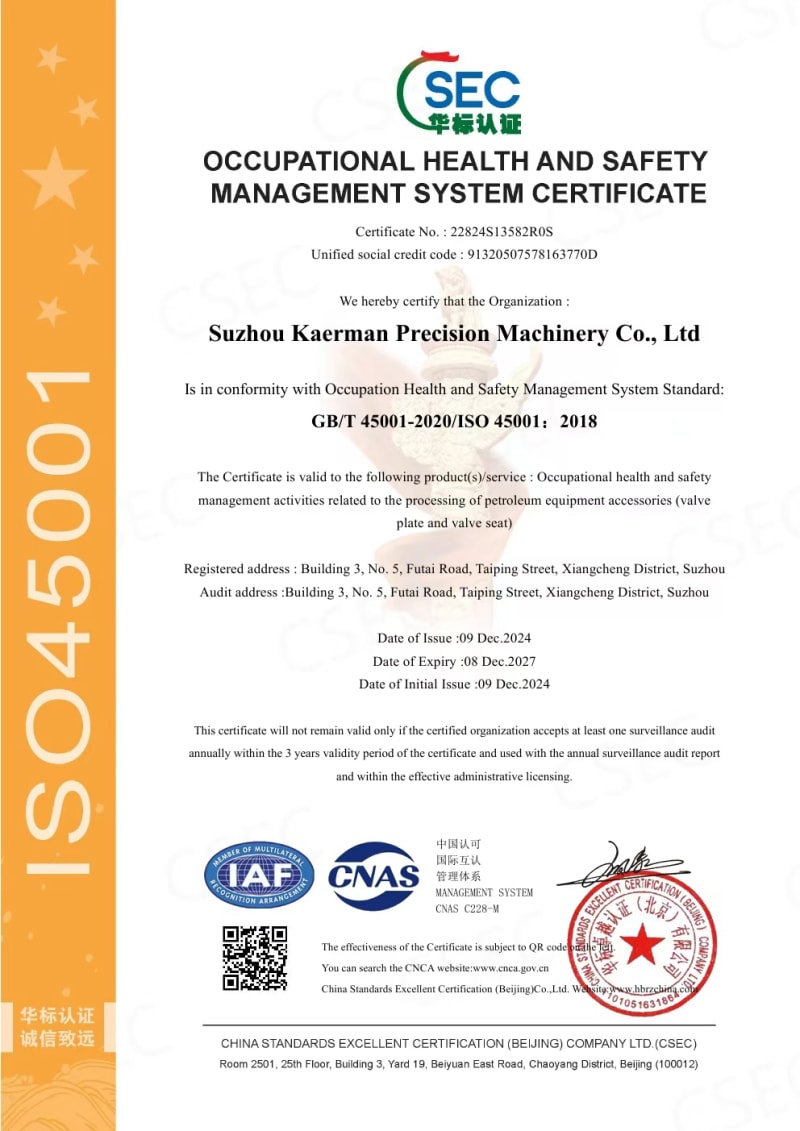
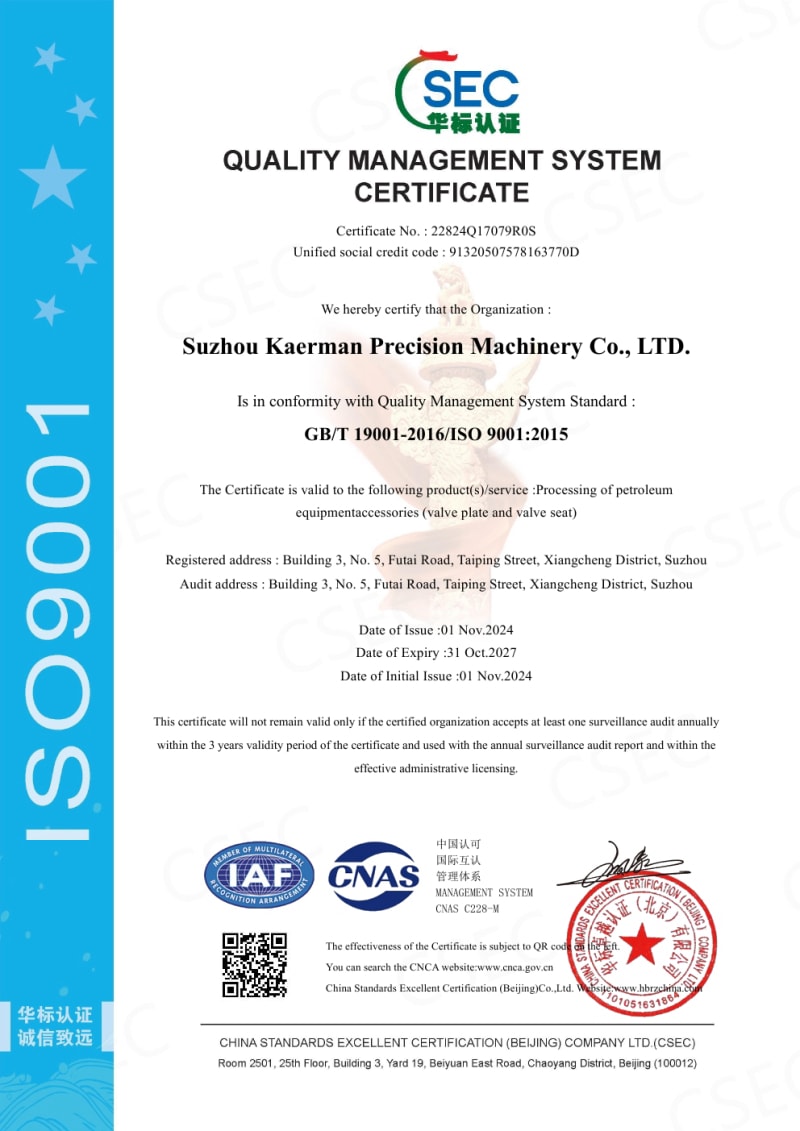
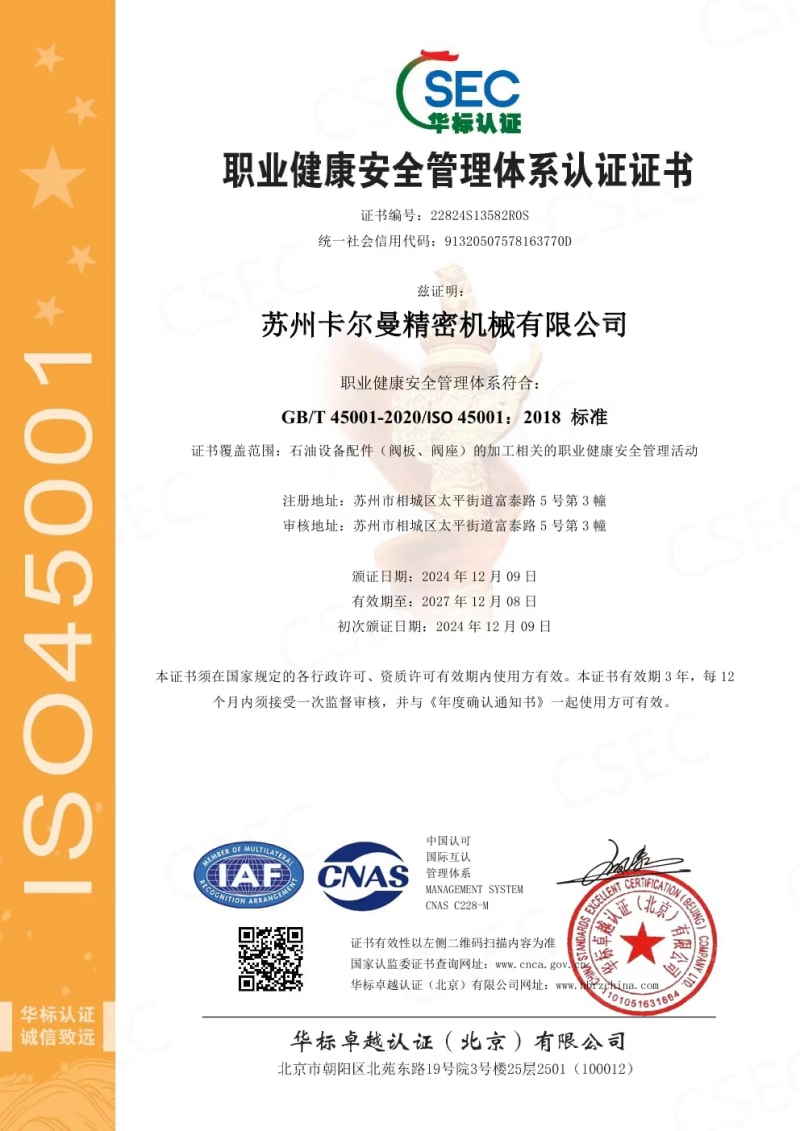
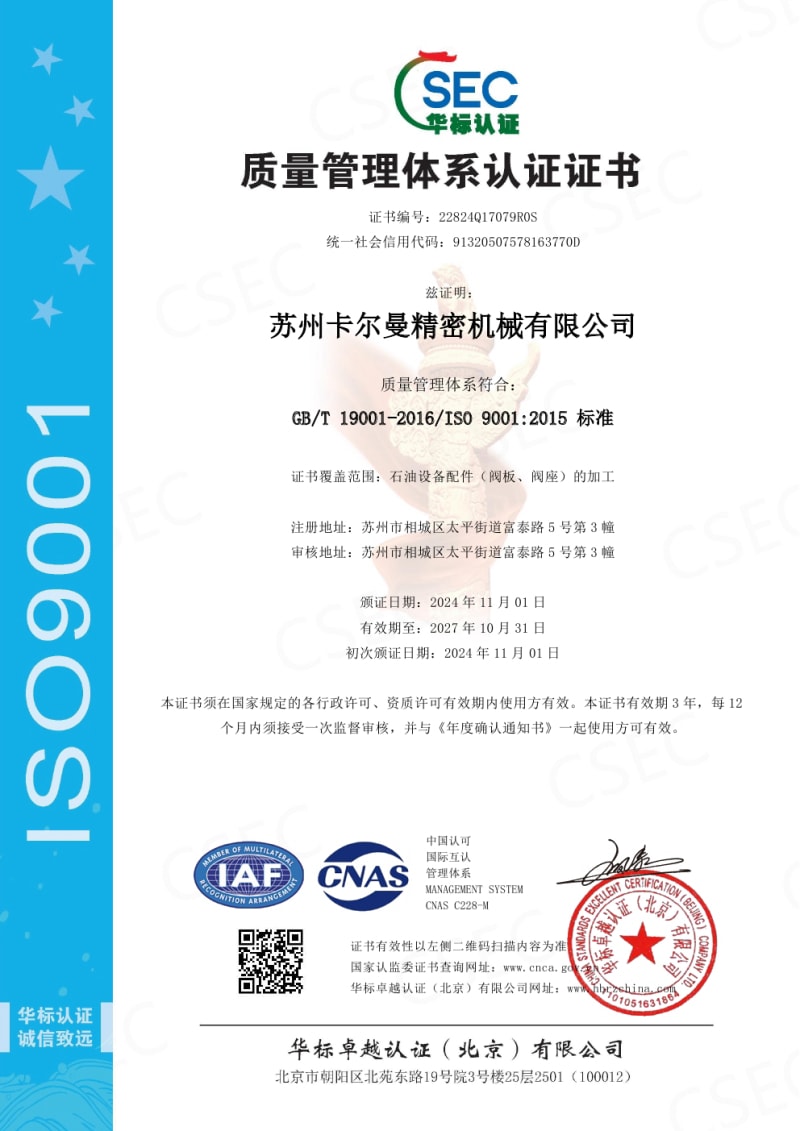
API 6A certified components for high-pressure, erosion-prone oilfield applications
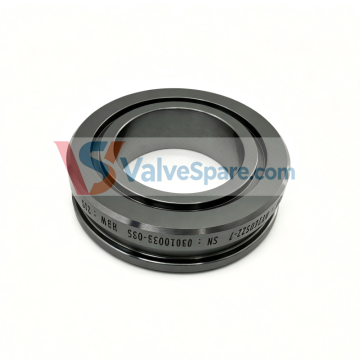 Body Bushing for the Type FC Gate Valve
 Operating Stem for Type FLS DAN Hydraulic Gate Valve
 SLS Seal for Type FLS and FLS-R Gate Valves
 Stem Adapter for the Type FC and FLS Manual Gate Valve
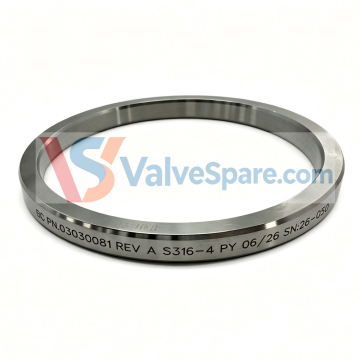 Bonnet Seal Ring Gasket for the Type FC, FL, and FLS Gate Valve
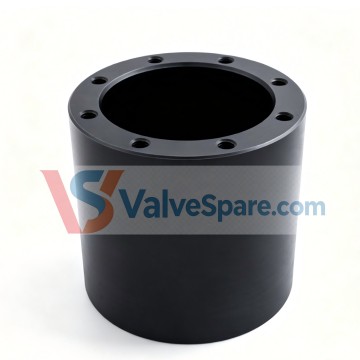 Cylinder for Type FLS DAN Hydraulic Gate Valve
 Stem Adapter O-Ring for Type FC and FLS Gate Valves
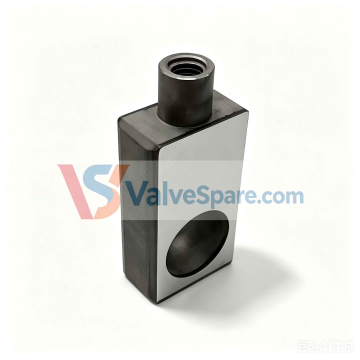 API 6A Slab Gate Valve Plate